The Rise of Gen Z: How the World’s Digital Generation Is Changing Youth, Society and the Future
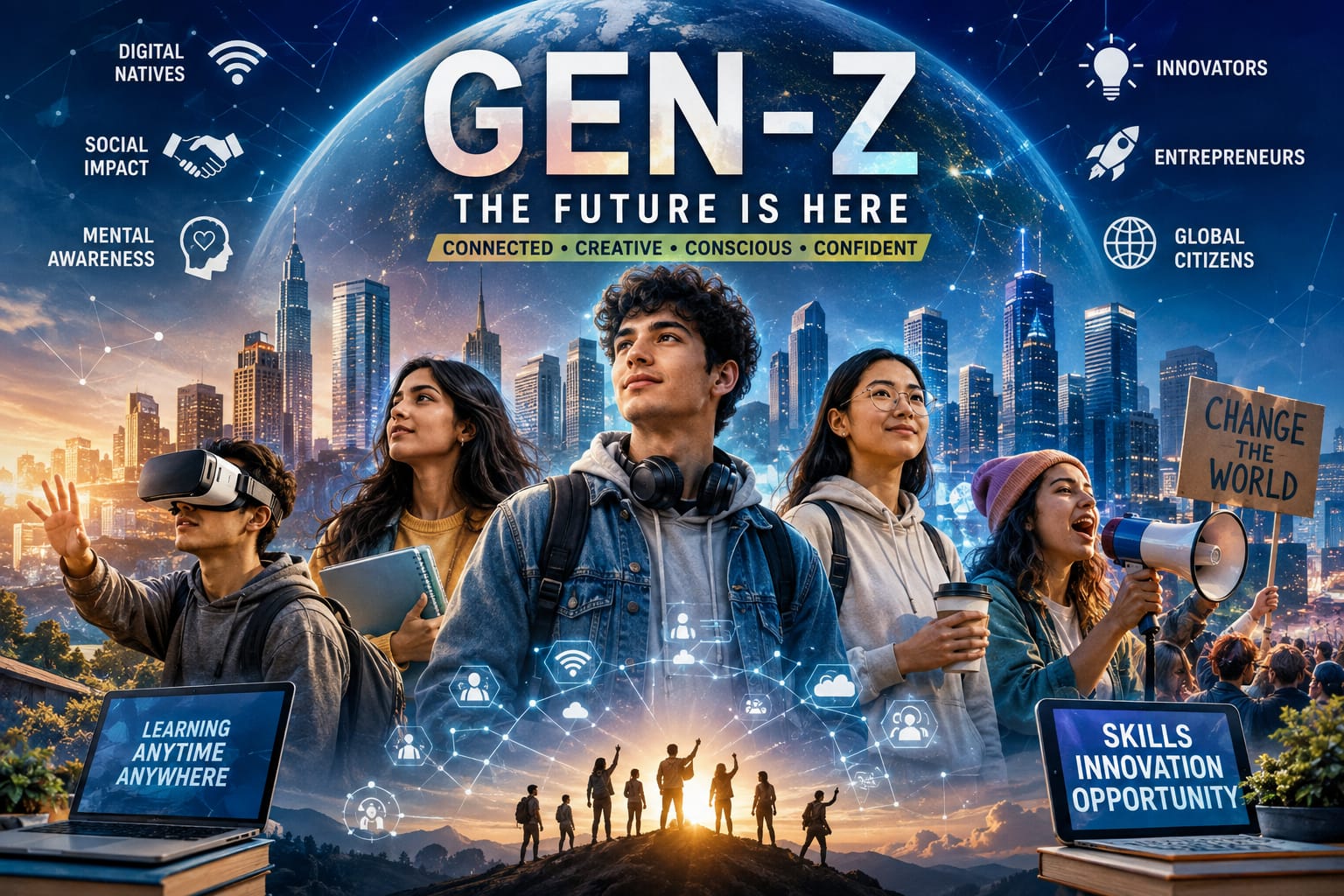
The rise of Gen Z is no longer simply a story about young people growing up with smartphones. It is a story about a generation learning, working, communicating and questioning the world in ways that are reshaping society itself. Born broadly from the late 1990s to the early 2010s, Generation Z has grown up alongside social media, smartphones, artificial intelligence, online education and a rapidly changing global economy. Their influence can now be seen in classrooms, workplaces, businesses, popular culture and even public debates.
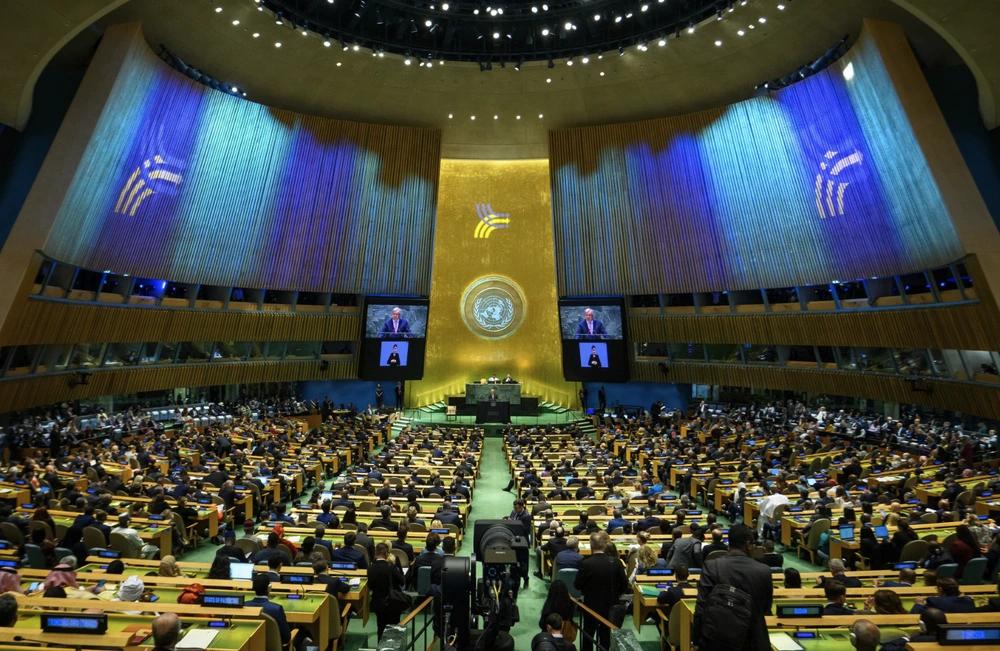
The scale of this transformation is significant. The United Nations estimates that around 1.3 billion people aged 15–24 are living in the world today, making this the largest youth generation to date. The UN also stresses that young people are not merely beneficiaries of development but important drivers of innovation, social progress and sustainable development.
How Gen Z Became a Global Force
Previous generations experienced the arrival of the internet; Gen Z largely grew up inside it. For many young people, the smartphone became a classroom, entertainment centre, communication tool, marketplace and source of news all at once. This has created a generation that can move rapidly between physical and digital worlds.
The change is particularly visible in India. The Economic Survey 2025–26 reports that internet connections increased from about 25.15 crore in 2014 to 96.96 crore in 2024. It also notes that 85.5 per cent of Indian households owned at least one smartphone in 2025. Among rural youth aged 14–16, 89.1 per cent had smartphone access at home, while around three-quarters of those using smartphones reported using social media.
This connectivity has given young people unprecedented access to information. A student in a small town can learn a new skill from an international expert, participate in an online community, build a digital business or share an idea with millions of people without waiting for traditional institutions to open the door.
The Impact on Today’s Youth
The influence of Gen Z is changing what young people expect from education and employment. Memorising information is becoming less important than knowing how to find, understand and apply it. Young people increasingly value practical skills, creativity, flexibility and meaningful work.
At the same time, the digital environment has created new pressures. Constant exposure to carefully edited lifestyles, online competition and an endless stream of information can affect concentration, relationships and well-being. India’s Economic Survey has specifically highlighted concerns surrounding excessive digital use and its possible effects on productivity, social development and psychological well-being.
The challenge, therefore, is not simply to give young people more technology. It is to teach them how to use technology intelligently.
Government Checks In: From Access to Empowerment
Governments around the world are increasingly recognising that the future of economic growth is closely connected with youth development. The UN’s Youth2030 strategy focuses on strengthening meaningful participation, education, employment, rights and well-being among young people. Its 2026 progress reporting also reflects a shift from establishing basic frameworks towards implementation and measurable results.
India faces a particularly important opportunity because of its large young population. The government’s approach includes education reforms under the National Education Policy, expansion of digital infrastructure, skill development and stronger links between education and employment.
Yet government data also reveal the size of the challenge. According to the Economic Survey 2025–26, nearly 92 per cent of adolescents aged 14–18 had received no formal skilling exposure, while only 0.97 per cent had received training from a formal institution. Among those who did receive formal training, IT and IT-enabled services accounted for more than half of the training.
These figures suggest that India’s demographic dividend will not automatically become an economic dividend. Education, employable skills and opportunities must reach young people before the potential of this generation is lost.
What Happens Next?
The next chapter of the Gen Z story will be shaped by artificial intelligence, automation, climate change, entrepreneurship and changing patterns of work. AI may eliminate some traditional tasks while creating completely new occupations. Young people who can combine digital confidence with critical thinking, communication, creativity and human skills are likely to be better prepared for this transition.
But technology alone cannot define the future. The real opportunity lies in creating a society where young people have access to quality education, decent employment, responsible digital environments and meaningful participation in public life.
The UN’s latest youth data underline this urgency: more than 1.3 billion young people represent an enormous opportunity, but their circumstances differ sharply across countries and regions. Governments therefore need policies that recognise both the common characteristics of the digital generation and the very different realities in which young people live.
Conclusion
The rise of Gen Z represents one of the most important social changes of the modern era. This generation is not simply inheriting the world created by previous generations; it is actively redesigning how people learn, communicate, work and participate in society. Its greatest strength is its ability to adapt to rapid technological change, but its greatest challenge may be learning how to remain human in an increasingly digital world.
For India, Gen Z could become the foundation of a powerful demographic dividend, provided young people receive the right combination of education, skills, opportunity and guidance. The responsibility does not rest with governments alone. Schools, families, employers and young people themselves all have a role.
The future will not be decided merely by how many young people a country has. It will be decided by what those young people are enabled to become. If Gen Z is given knowledge instead of misinformation, skills instead of mere qualifications, opportunities instead of barriers, and responsibility alongside freedom, its influence could extend far beyond social media and technology. It could help shape a more innovative, inclusive and resilient world.