What happens to the products we return online?
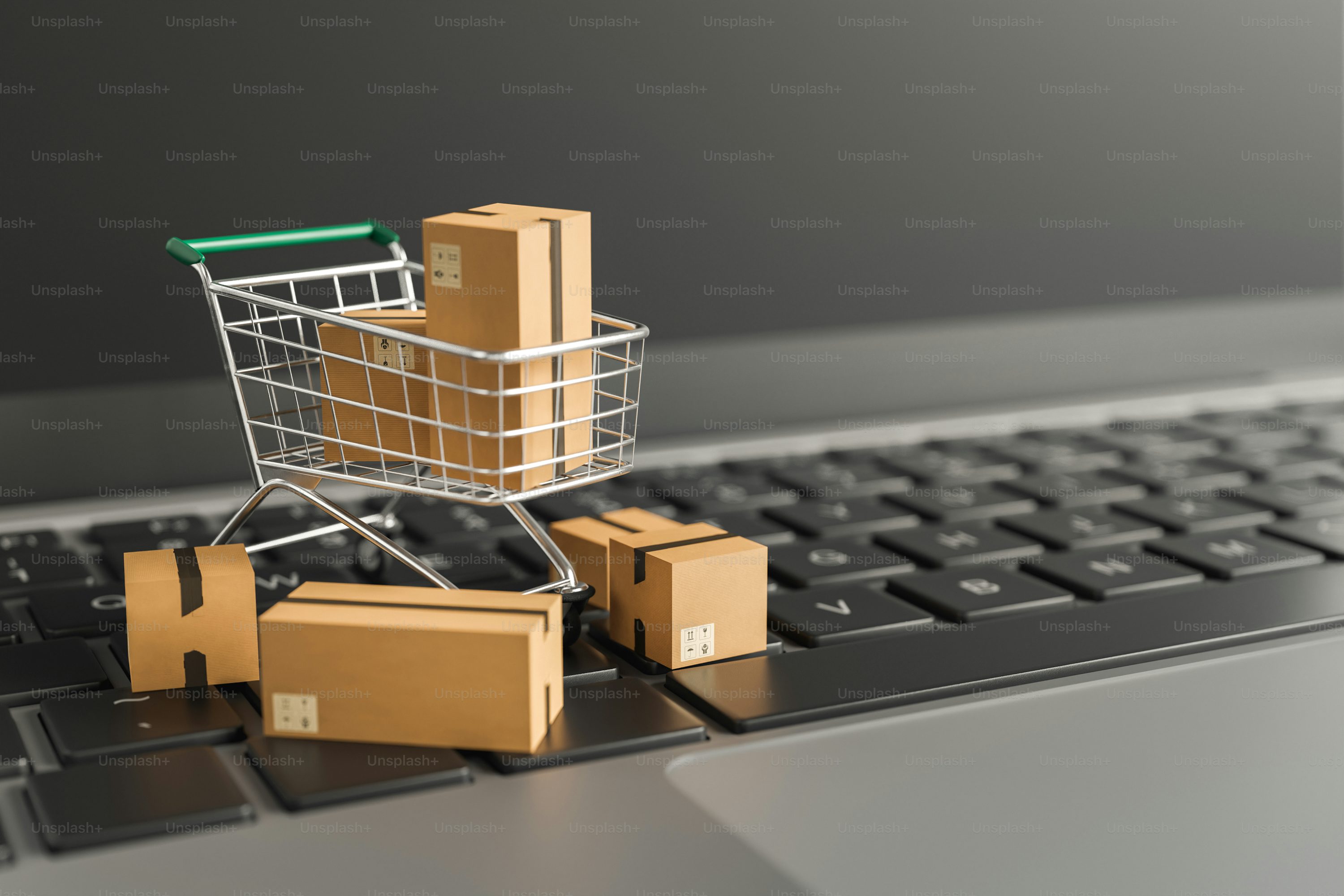
You buy the shoes online, they turn out not to be your style. The colour looks different to the picture. You change your mind.
You click return, a few days later, the shoes are gone, you get your money back, and you forget about them.
But where exactly did they go?
The truth is more complex than most people would expect.
The journey of the returned product rarely ends at your door
as once a company receives the returned goods, they need to find a way dispose of them.
This could mean putting them back on the shelf, returning them to the manufacturer, repairing and re-selling them, or any number of other options.
The short version is, the goods you return rarely go back to the original retailer.
Not all goods can simply be put back on the shelf.
If you return clothes, they may have been worn and therefore fit only for disposal.
If you returned cosmetics, food, personal care products or electronics, the situation is even more complicated due to health and safety regulations and the possibility of opening the packaging and using the goods yourself.
While all products will be checked upon return, goods that seem to be in perfect condition still require human inspection, repackaging, and potentially further transportation before they can reach a new owner.
The environmental impact and the logistics of this process are significant, and in some cases, the return is no longer profitable.
The economics of a return
Perhaps one of the reasons why the ability to return goods is so appealing to customers is because of this very simplicity.
A return is as simple as customer -> return -> refund.
The reality for the retailers is far more complicated and involves a number of additional steps such as collection, transportation, warehouse storage, inspection, sorting, and repackaging before the item can be sold again.
All of these have a cost and therefore, the return is no longer free.
The environmental impact of a return is also considerable.
A product might have travelled thousands of miles before reaching you, and then have to travel that distance again if it is returned.
The same goes for any packaging that will also have to be disposed of or recycled.
In short, the environmental impact of a return can be substantial.
The hidden cost of free returns
The ability to return goods for free seems like a good deal for customers, and it is.
However, the fact that returns are completely free means that the customer rarely considers the consequences of a return.
Some companies have even built their business model around this.
The ability to return goods for free encouraged people to order multiple items and return the ones they do not want.
While it may seem like a good deal for the consumer, it places undue pressure on the supply chain.
It is not that people should feel guilty about returning goods, as some might have intended with this article, but there is an awareness to be had about the system as a whole.
Many people return products to companies in bad faith, trying to get money back for goods that they knew were faulty, incorrect, or not desired.
The question is, are we conditioning ourselves to accept returns as free disposal of unwanted goods?
This is where things get truly interesting, as it is difficult to place blame on either side entirely.
What happens to all the other goods?
Most companies are unlikely to put damaged or unwanted goods back on the shelf or re-sell them, however, there are still options.
Some goods may be repaired, and a number of products can be resold at a discount.
There are also companies that specialise in buying broken items, repairing them, and then returning them to shops.
While it is possible for the return process to be completely circular, the sad truth is that most goods that are returned to companies are ultimately thrown away.
This presents major environmental and logistics challenges for companies who purchase goods at a discount, only for them to have to throw them away at another.
The environmental impact is also devastating.
A product that was thrown away will also need to be disposed of in an environmentally responsible manner if it cannot be resold.
Even if the goods were not fit for human consumption, the raw materials still had to be mined, harvested or produced, and the product itself had to be manufactured and transported somewhere before eventually being thrown away.
The return economy
As online shopping grows, the industry has to adapt, returning goods is an integral part of this system, and companies have built business models around this single aspect.
There is such a demand for returned goods that companies now specialise in repairing, refurbishing, reselling, and generally dealing with the logistics and economics of goods that have been returned.
Many companies now have warehouses dedicated to returned goods, and this has created a whole new industry dedicated to processing these goods.
Some of the items that come into these warehouses are surprisingly fit for resale, and there are companies ready to buy them.
The goods could be repaired, sold to liquidation companies, passed on to manufacturers, or any number of other options.
Ultimately, the goods are placed on a path that depends on their value and their condition.
Should we stop returning goods?
As can be seen, returning goods is an incredibly complex part of the supply chain and can have major implications for the environment and the economy.
However, this article is not meant to dissuade people from returning goods, as there are obvious benefits to the practice.
As long as the goods were not desired, faulty, misrepresented, or incorrect, the consumer should return them.
What people should understand is that goods do not simply disappear when they are returned, but instead, enter a complex system.
The goods you return may very well be sold again in another country, or repurposed and sold at a discount to another unsuspecting customer.
Next time you decide to order 3 t-shirts because you cannot decide what to buy or you buy an item you know you will return, remember that once the courier takes that cardboard box away, it will never truly leave.