Why young Indians are looking beyond the west
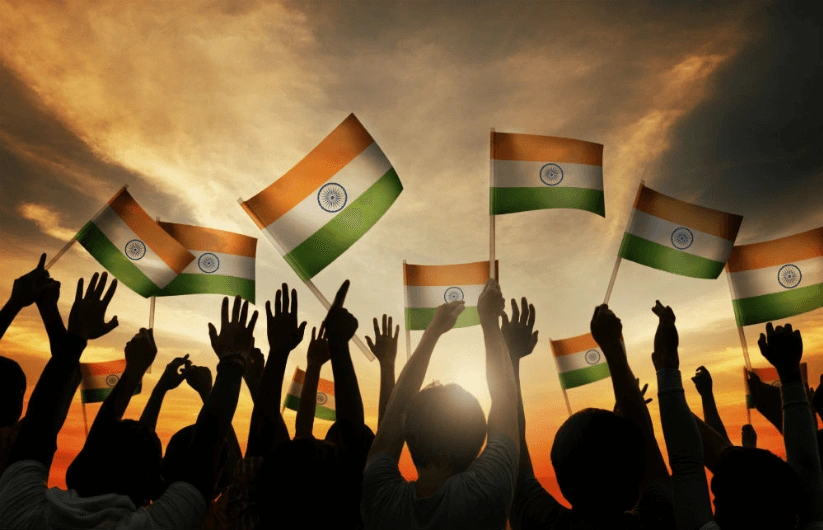
For decades, the overseas opportunities that Indian students dream of have been mostly centered around one set of countries: the US, UK, Canada, and Australia. But this picture is slowly changing.
More and more young Indians are looking to other countries for various reasons, such as jobs, education, low costs, and lifestyle. The initial appeal might start with something as simple as a Korean drama, a Japanese anime, or a German friend on social media, but the interest often goes beyond a mere curiosity.
The dream of going abroad is far from over, but where Indians want to go is changing From curious about to serious consideration
Culture has played a big part in this turn toward Asian countries. Korean celebrities, music, food, and beauty standards are familiar – or at least have been seen – by almost every Indian youth. The same goes for Japanese cartoons, food, and electronics. Germans, on the other hand, have been associated with machinery and engineering for decades, but their education and science opportunities are now also drawing Indians.
However, this cultural connection is not the sole reason why young Indians might choose Korean, Japanese, or German universities. More and more students are looking for less expensive, but still high-quality, education options
The cost of higher education, especially in foreign universities, can be simply unfeasible for many Indian students and their families. Fortunately, there are countries and programs that offer good opportunities without breaking the bank. For example, Germany has excellent engineering schools and a reasonable tuition system (with the majority of the costs being covered by the state), although Indians considering the option still need to keep in mind the additional living expenses. Korean and Japanese educational institutions are also becoming more popular among Indian students for similar reasons.
Thus, while the image of a foreign country might start on social media, the actual choice to apply there might be driven by more practical considerations, such as the opportunity to get a good education without risking too much money or time.
Not just education, but jobs, too
While most students think about the benefits of foreign education in terms of degrees and qualifications, young Indians are also considering opportunities for employment and the work environment. They research the job markets in the countries they are thinking of and the kinds of jobs they would be interested in. Many choose to look only into specific fields, such as technology or engineering, because they are well-developed in certain countries (for instance, Germany) or have promising prospects (such as robotics in Japan). Popular Indian fields of work, including engineering, technology, and the automotive industry, also have attractive opportunities in Korea.
Therefore, while the dream of going abroad might be a long-held one, the actual decision to do so might be prompted not by the desire to get a degree from a prestigious foreign university, but to gain qualifications to work in a specific field.
Social media made everyone an expert
The rise of social media has fundamentally changed the way people learn about and research their options for going abroad. While previously the information came from word of mouth or from official sources, such as educational consultants or university websites, now everyone can view firsthand accounts from people who have already made the decision to move.
A young Indian trying to decide between Canada and Korea can watch YouTube videos from people living in both countries, asking them about their experiences, the costs of living, commuting, jobs, and universities. However, social media can also provide a skewed perspective, one that is often unnecessarily positive. People tend to show their good experiences more often and skip the downsides, such as loneliness or financial struggles. While the pretty apartment in Seoul or the train ride to Tokyo might be an easy way to get acquainted with the perks of the local lifestyle, most Indians considering going abroad should also think about the challenges: adjusting to a foreign language or way of life, visa restrictions, or the costs of living.
A change in cultural attitude toward foreign education
While Indians going abroad has long been a dream, it has often been a one-way street: from India to another land. But now, young Indians are more interested in not just visiting other countries, but settling there.
Many consider opportunities available only outside of India, such as jobs or education. More and more Indians are rethinking where they want to live and what they want to do. While previously an overseas degree might have been viewed as a must, Indians today are much more open to exploring different options.
The countries most talked about among young Indians are now not only the traditional Western ones, but also East Asian countries, such as Korea, Japan, and even further, Germany. This shift might indicate a much bigger change, as what is happening in this small group of people will eventually echo through the larger population. A change in the ways Indians view going abroad can affect not only their own educational and professional opportunities, but also their cultural and social life.
The Indian dream of going abroad is not fading away, but instead transforming. While the opportunities sought after by young Indians still include Western countries, they are no longer the only option. Koreans, Japanese, and Germans are now being considered as alternatives to traditional Western education and a chance to settle down in a place very different from home.
Ultimately, the biggest change might be in the views of young Indians themselves: instead of thinking about which Western country they would like to study in, they are rethinking their whole life and where they would like it to take place.