You save Independent Bookstores and you will help grow Literacy.
Independent Bookstores and the Importance of Literacy in India
Literacy has traditionally been described as the ability to read for knowledge, write coherently and think critically about printed material. Literacy plays an important role in the social and economic development of a country.
India has made significant progress in literacy over the years. According to the Ministry of Education, the overall literacy rate increased to 80.9% in 2023–24, compared with 74.04% in 2011. The government is also continuing efforts through programmes such as ULLAS to promote literacy among adults.
But literacy is not only about learning to read and write. Access to books and reading material also plays an important role in developing a strong reading culture.
How Do Independent Bookstores Contribute to Literacy?
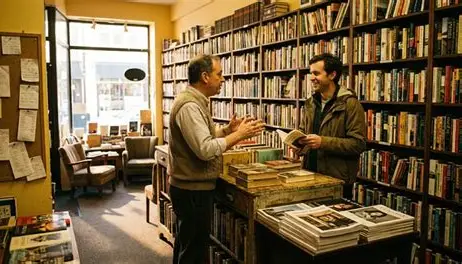
One of the simplest ways is through accessibility. Independent bookstores located in different neighbourhoods and towns provide readers with direct access to books. They can also become community spaces where readers discover new authors, discuss books and develop a regular reading habit.
The Changing Bookstore Market
With the rapid growth of e-commerce in India, online bookstores have become an important part of the book-buying market. Readers can often find a wider range of books and attractive discounts through online platforms.
For consumers, these discounts can be beneficial. However, the growing popularity of online book sales has also created challenges for traditional independent bookstores, which have to manage expenses such as rent, staff salaries, electricity, inventory and other operating costs.
For example, consider a book priced at Rs. 300. If a publisher or distributor provides a 40% margin and an online seller offers a similar discount to the customer, the seller may have to absorb additional costs such as packaging, delivery and payment processing.
Independent bookstores generally have much less flexibility when competing with heavily discounted online prices because they must meet their regular operating expenses while maintaining their physical stores.
Why Independent Bookstores Still Matter
Independent bookstores offer something beyond the simple purchase of a book.
They provide readers with an opportunity to browse books physically, discover titles they may not have searched for online and interact with booksellers who can recommend authors and subjects based on individual interests.
For many readers, bookstores are also associated with memories of childhood, education, friendships and conversations about literature.
The growth of online shopping does not necessarily mean that physical bookstores must disappear. Both forms of book retail can coexist, provided readers continue to value the role of local bookstores and communities.
Supporting a Reading Culture
Literacy and reading habits are closely connected to access to educational and reading materials. Government literacy programmes continue to focus on improving functional literacy and lifelong learning, while communities, schools, libraries and bookstores can also contribute to developing a stronger reading culture.
Independent bookstores can support this effort by organising reading sessions, author interactions, book discussions and educational activities. Such initiatives can encourage children and adults to read beyond their academic requirements.
The issue is therefore not simply whether readers should purchase books online or offline. It is also about recognising the value that physical bookstores can bring to local communities.
A Thought for Readers and Book Lovers
It is worth remembering the bookstores where many of us grew up, learnt to browse, spent hours looking through books and discovered our favourite authors.
Supporting an independent bookstore does not mean rejecting online shopping. It means recognising that local bookstores can play an important cultural and educational role.
As we observe International Literacy Day on September 8, the conversation around literacy can go beyond statistics. Encouraging people to read, improving access to books and supporting spaces that promote reading can all contribute to a stronger reading culture.
So, the next time you plan to buy a book, consider visiting a local independent bookstore as well.
A book can educate one person, but a bookstore can help build a community of readers.
— Alaham Anil Kumar