Opposition Raises Concerns Over Union Minister’s ₹99 Lakh Subsidy for Personal Farming Project
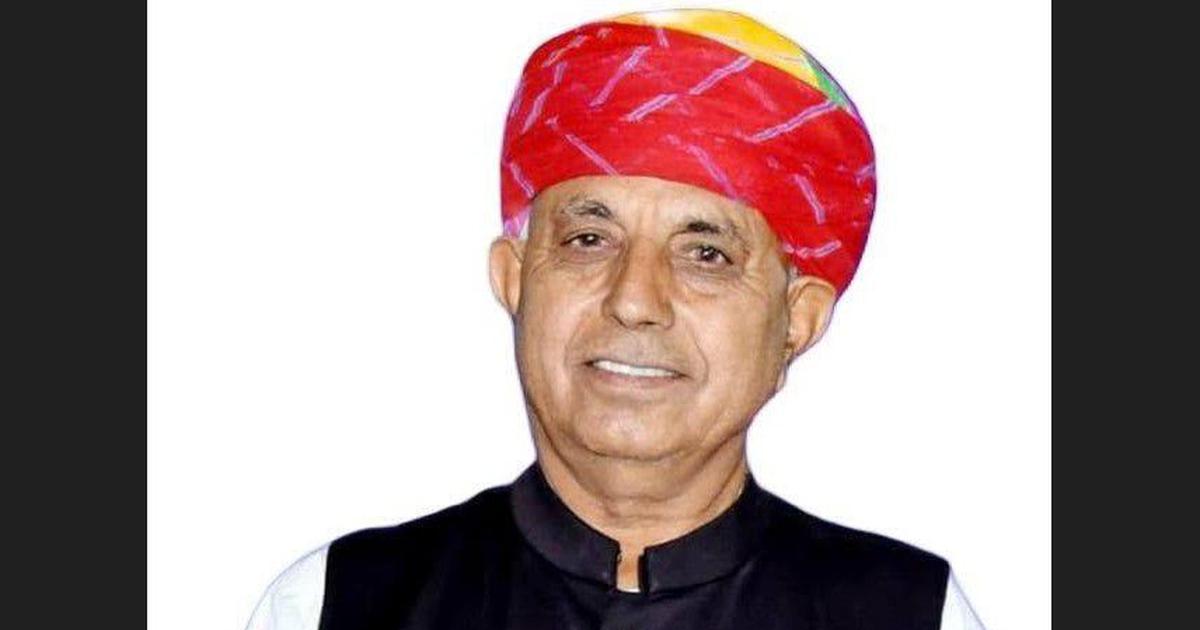
In a significant development that has sparked controversy, opposition leaders on Saturday challenged Union Minister of State for Agriculture and Farmers’ Welfare, Bhagirath Choudhary, following reports that he secured a substantial ₹99.6 lakh subsidy for his own farming venture. This funding was provided under a scheme intended to boost large-scale commercial farming, specifically through the Mission for Integrated Development of Horticulture, as highlighted by The Indian Express.
The National Horticulture Board, which operates under the Ministry of Agriculture, oversees this mission. Choudhary’s project, which involves the cultivation of cucumbers across an expansive 16,592 square meters, was one of 467 projects that received approval for funding under this scheme in 2025. The initiative is designed to facilitate commercial farming by offering subsidies that can reach up to 50% of the project costs, with a cap set at ₹1 crore per family.
While the funding has raised eyebrows, particularly due to Choudhary’s role as a minister overseeing the very ministry administering the subsidy, it is important to clarify that the minister does not have a direct hand in the approval process for such subsidies. The project approval committee at the National Horticulture Board, which operates independently, is responsible for granting clearances without the involvement of its president (the Union Agriculture Minister) or vice-president (the Minister of State for Agriculture).
Nevertheless, the opposition, particularly members of the Congress party, have expressed outrage, labeling the situation as a “blatant loot” of public funds. They argue that it poses serious ethical questions about conflict of interest, particularly when a government official stands to benefit financially from a program designed to support farmers. Congress leader Pawan Khera condemned the minister’s actions, urging for an investigation into the allocation of subsidies that might appear to be directly benefiting those in power.
The situation has ignited a larger debate regarding the transparency and integrity of subsidy disbursements in India. Critics emphasize the need for strict oversight on government programs designed to assist farmers, ensuring that the funds reach those who genuinely need support rather than being siphoned off by officials or influential individuals.
As this controversy unfolds, it remains to be seen how the government will respond to the allegations and whether any accountability measures will be instituted to prevent similar occurrences in the future. Stakeholders in the agricultural sector and the general public alike are calling for greater transparency and ethical governance in the management of public resources.