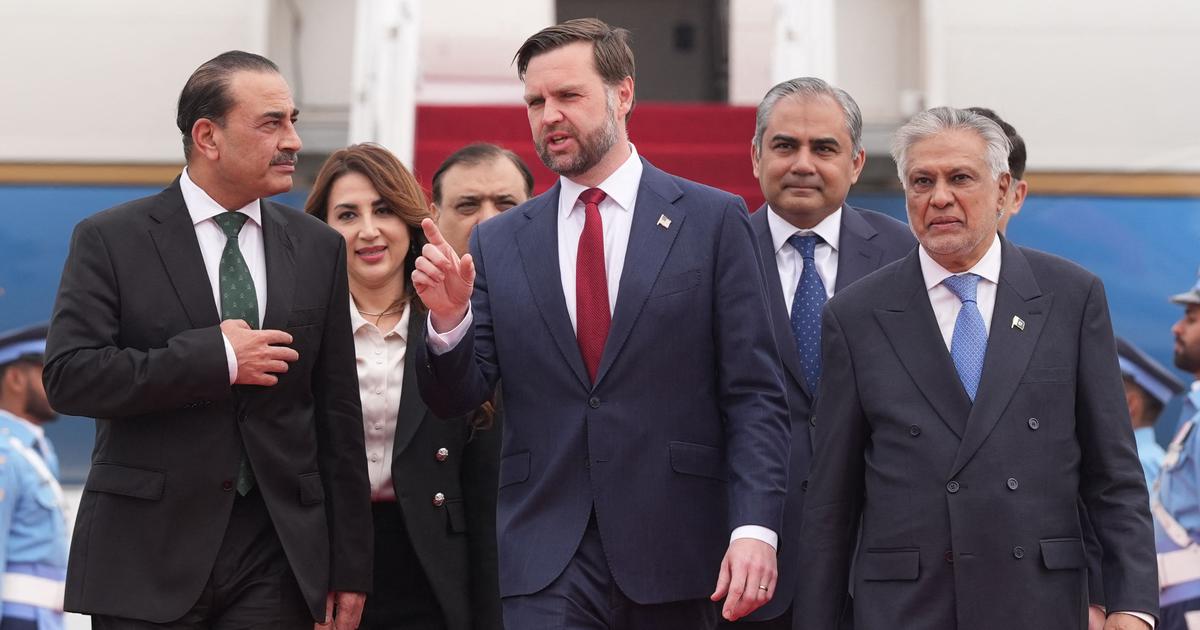
In a significant turn of events within international diplomacy, Pakistan has positioned itself as a key mediator in the escalating tensions between the United States and Iran. The recent announcement by former President Donald Trump on May 6, regarding a halt to U.S. military operations in the Strait of Hormuz, was notably influenced by a request from Pakistan. This move highlights Islamabad’s increasing influence and capability in navigating complex geopolitical landscapes.
Pakistan’s Prime Minister, Shehbaz Sharif, expressed optimism about this diplomatic momentum, stating that it could pave the way for a lasting agreement aimed at fostering enduring peace and stability in the region. This development follows closely on the heels of Pakistan’s successful mediation of a ceasefire agreement in Iran, marking a significant diplomatic achievement for the nation.
The question arises: how has Pakistan managed to emerge as a credible and neutral mediator in this high-stakes geopolitical conflict? A crucial factor is Pakistan’s unique ability to maintain cordial relationships with both the United States and Iran. This balanced diplomatic stance allows Pakistan to act as an intermediary, trusted by both parties to facilitate dialogue and negotiation.
Historically, Pakistan has been engaged with the United States in managing its relationship with Iran for decades. Since the severing of diplomatic ties between the U.S. and Iran in 1979, Pakistans’ embassy in Washington has included a dedicated section that addresses Iranian diplomatic affairs. This longstanding involvement has equipped Pakistan with insights and experience in navigating Iranian interests, making it a valuable partner for the U.S. when dealing with Tehran.
Moreover, Pakistan’s diplomatic efforts have extended beyond just U.S.-Iran relations. The country has played a significant role in various mediation efforts across the globe, showcasing its potential as a regional peacemaker. From facilitating dialogue to proposing solutions, Pakistan’s diplomatic initiatives underline its commitment to fostering stability and cooperation in volatile regions.
As the geopolitical landscape continues to evolve, Pakistan’s position as a mediator could be pivotal for not only U.S.-Iran relations but also for broader regional dynamics. With the potential for peace talks and a renewed focus on collaboration between these two nations, Pakistan’s role could lead to transformative changes in the way conflicts are managed in South Asia and beyond.
In conclusion, Pakistan’s emergence as a trusted mediator between the United States and Iran is a testament to its diplomatic prowess and strategic relationships. As it navigates the complexities of international relations, the world will be watching closely to see how Islamabad continues to balance its ties and foster peace in a region historically fraught with tension.