Progress in US-Iran Talks: Vice President Vance Highlights Positive Moves Amid Ongoing Tensions
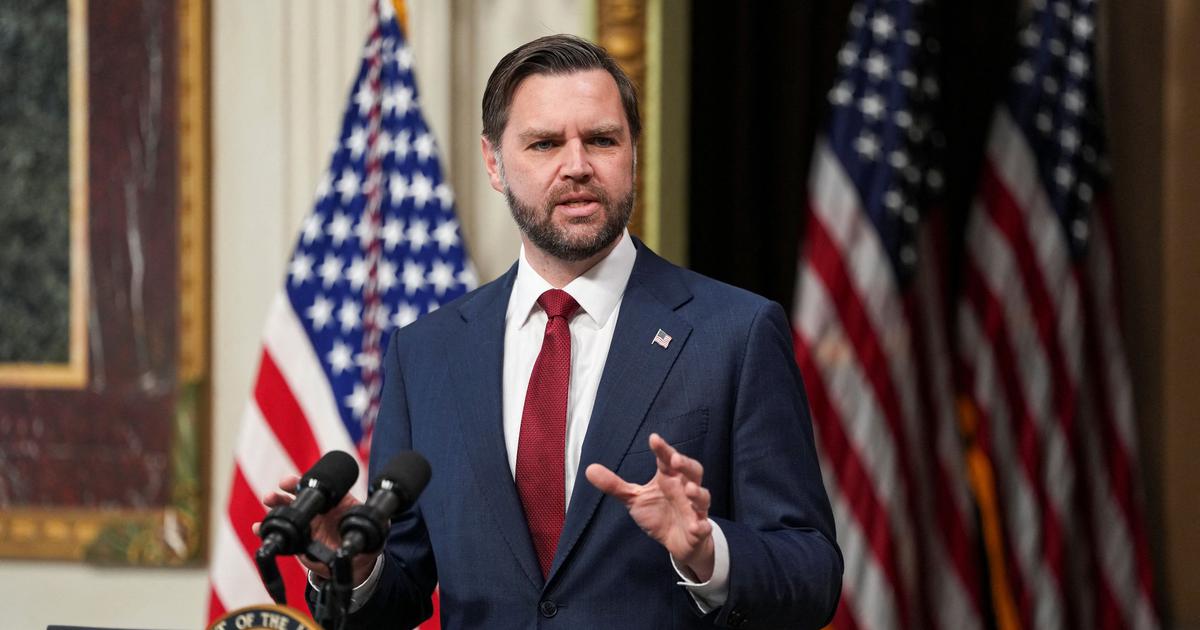
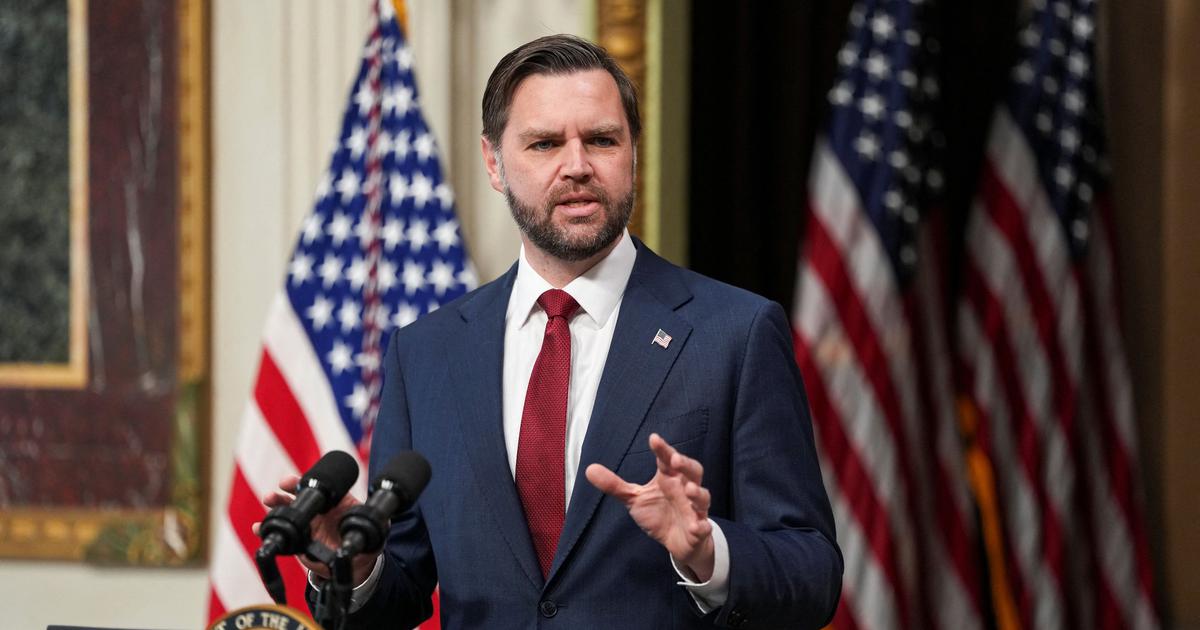
In a significant development regarding the ongoing diplomatic tensions between the United States and Iran, US Vice President JD Vance announced on Monday that recent peace talks in Islamabad had yielded noteworthy progress. The discussions, which took place over the weekend, saw Iran inch closer to the US stance, with Vance emphasizing that it is now Tehran’s turn to take decisive action to further the negotiations.
The backdrop of these talks has been marred by the US’s recent blockade of Iranian ports in the strategically vital Persian Gulf, a measure aimed at curbing maritime traffic associated with Iran. While the blockade has raised eyebrows internationally, Vance expressed cautious optimism during an interview with Fox News. “I wouldn’t just say that things went wrong, I also think things went right. We made a lot of progress,” he stated, suggesting that while an agreement was not reached, there were positive signs from the Iranian side.
In an effort to clarify the US’s position, Vance reiterated the importance of adhering to the country’s “red lines,” particularly concerning Iran’s nuclear ambitions. He pointed out that if these conditions are met, the two nations could potentially arrive at a mutually beneficial agreement. “They [Iran] moved in our direction, which is why I think we would say that we had some good signs,” he commented, although he acknowledged that Iran has yet to fully commit to the necessary steps for a comprehensive deal.
The peace talks in Islamabad, hosted by Pakistan, have been a focal point for regional diplomacy. Pakistan’s willingness to facilitate these discussions underscores its role as a mediator in South Asian geopolitics, particularly given the historically tense relations between the US and Iran. The diplomatic engagement is crucial not only for the involved parties but also for regional stability in West Asia, where the ramifications of nuclear proliferation are a significant concern.
While the US continues to maintain its blockade, the Central Command has clarified that maritime vessels traveling to or from non-Iranian ports will still be permitted to navigate through the Strait of Hormuz, a key shipping lane for global oil supplies. This delicate balance of power reflects the ongoing complexities of international relations in the region.
As the situation develops, all eyes will be on Tehran to see how it responds to the US’s diplomatic overtures and whether further talks can lead to a breakthrough. For Indian readers, the implications of this dialogue are particularly relevant, given India’s significant interest in maintaining stability in the region and its economic ties with both the US and Iran.