Rediscovering the Legacy of Malayali Migrants in Sri Lanka: Insights for Today’s Migration Trends
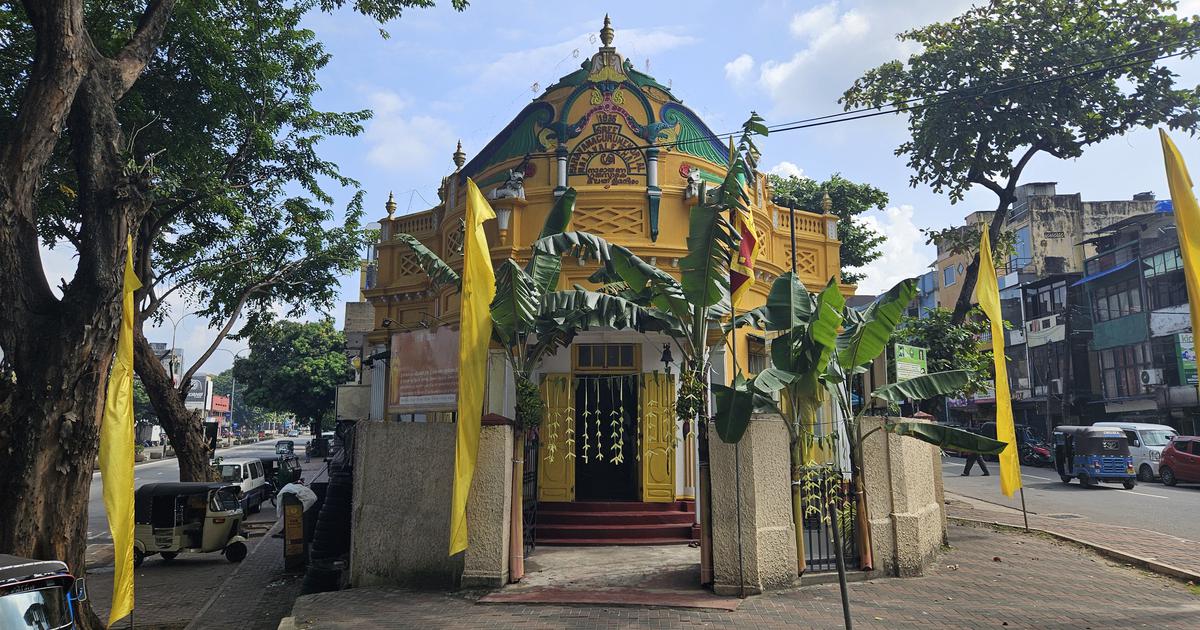
The migration patterns of Malayalis have undergone significant transformations over the decades, with the Persian Gulf emerging as the primary destination since the 1970s. However, the historical journey of Malayali workers to Sri Lanka, previously known as Ceylon, from the late 19th century remains a largely overlooked chapter. Recognizing the connections between these two migration narratives can provide valuable lessons for understanding contemporary migration dynamics.
The predominant groups among the Malayali migrants to Sri Lanka were Ezhavas and Muslims, who not only made their mark in Ceylon but also later spearheaded the movement towards the Gulf nations in the late 20th century. The experiences and challenges faced by these communities in Sri Lanka have arguably equipped them with insights that have shaped their future migrations. As globalization intensifies and the world grapples with rising xenophobia, particularly against Indian migrants in regions like Europe, Australia, and North America, revisiting the historical context of migration becomes increasingly relevant.
During the early 20th century, Sri Lanka was rife with political tensions surrounding Indian laborers. Many local political factions vehemently opposed the presence of Indian migrants, leading to calls for their repatriation. As Sri Lanka’s independence movement gathered steam in the 1920s, anti-immigrant sentiments gained traction, reflecting a broader struggle over national identity and labor rights. By the late 1930s, the flow of migrants between the two parts of the British Empire dwindled significantly, marking a turning point in the migration landscape.
The lessons from this historical context highlight the socio-political challenges that often accompany migration. The currents of anti-migrant sentiment witnessed in Sri Lanka echo the contemporary issues faced by Indian expatriates abroad. Understanding these historical dynamics helps shed light on the complexities of migration today, encouraging a more nuanced perspective. As India continues to produce a significant number of migrants seeking opportunities abroad, the need for awareness and dialogue regarding their safety and acceptance in foreign lands has never been more crucial.
By delving into the forgotten history of Malayali workers in Sri Lanka, we can better appreciate the breadth of migration experiences and the socio-cultural fabric that shapes them. This historical narrative not only enriches our understanding of past migrations but also serves as a guide for navigating the challenges of modern migration, emphasizing the importance of empathy and solidarity in an increasingly globalized world.