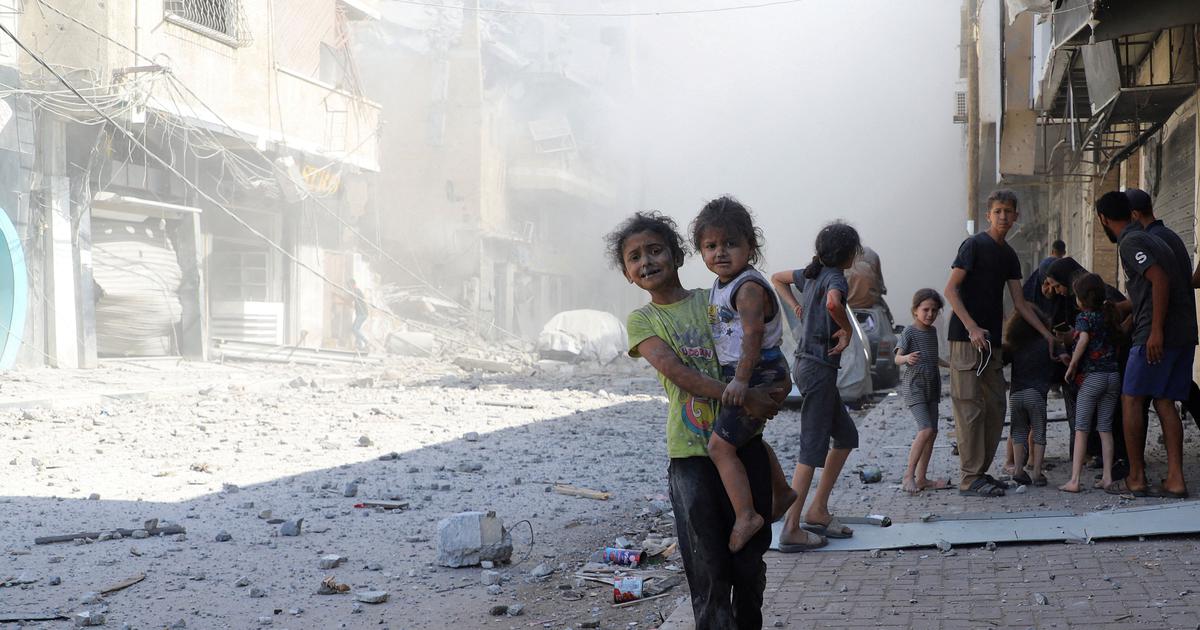
In a poignant reflection on the tragic state of Gaza, Kynpham Sing Nongkynrih articulates the stark contrast between everyday life and the horrors of war. Using the metaphor of ‘mowing the grass,’ he highlights the absurdity of normalcy in the face of overwhelming devastation. This phrase, often used in military contexts, takes on a dark irony when juxtaposed with the catastrophic consequences of warfare. As homes, hospitals, and schools are obliterated, the phrase transforms into a chilling reminder of the brutal reality faced by those in conflict zones.
Nongkynrih’s thoughts resonate deeply as he recounts a personal experience of declining a lunch invitation because of mundane chores. He reflects on the laughter of friends, who teasingly inquired if he was a gardener or a farmer. This light-hearted banter starkly contrasts with the grim circumstances in Gaza, where daily life is overshadowed by the looming threat of violence. He evokes imagery of gardens and well-kept spaces, which stand in stark opposition to the landscapes of destruction where countless innocents suffer.
Moreover, Nongkynrih expresses his discontent with the notion of prayers being offered for ‘Zionist brothers’ amidst such atrocities. He questions the morality of praying for those who perpetuate violence while innocent lives are lost. In doing so, he calls for a deeper understanding of humanity and faith that transcends the superficial. His insistence on not praying for acts of genocide or ethnic cleansing highlights the moral dilemma faced by individuals caught in the turmoil of ideological warfare.
To further illustrate the disconnect between the privileged and the war-torn, he shares a story about a young Gazan girl, Doniya, who, despite the threat of imminent danger from drones, responds to a Western reporter’s inquiry with a simple, ‘I’m fine.’ This response encapsulates the harrowing reality faced by those living in constant fear, where the act of saying ‘I’m fine’ becomes a survival mechanism. It underscores a haunting paradox—where the façade of normalcy persists even as the foundations of life crumble.
Nongkynrih’s reflections serve as a powerful reminder of the human spirit’s resilience in the face of adversity. Yet, they also challenge us to confront the harsh truths of our world. As Indians, our historical struggles for freedom and justice resonate with the narratives emerging from Gaza. In understanding the pain of others, we can foster a deeper sense of compassion and solidarity, transcending borders and ideologies. In a world where violence often overshadows peace, it is imperative to listen, reflect, and advocate for a change that prioritizes humanity over divisive agendas.