Anthropologist Adil Hossain, known for his extensive research into the intricacies of citizenship, has recently found himself at the center of a controversial issue in West Bengal. The state’s special intensive revision of voter rolls has turned his personal experience into a striking example of the citizenship politics he has studied for years.
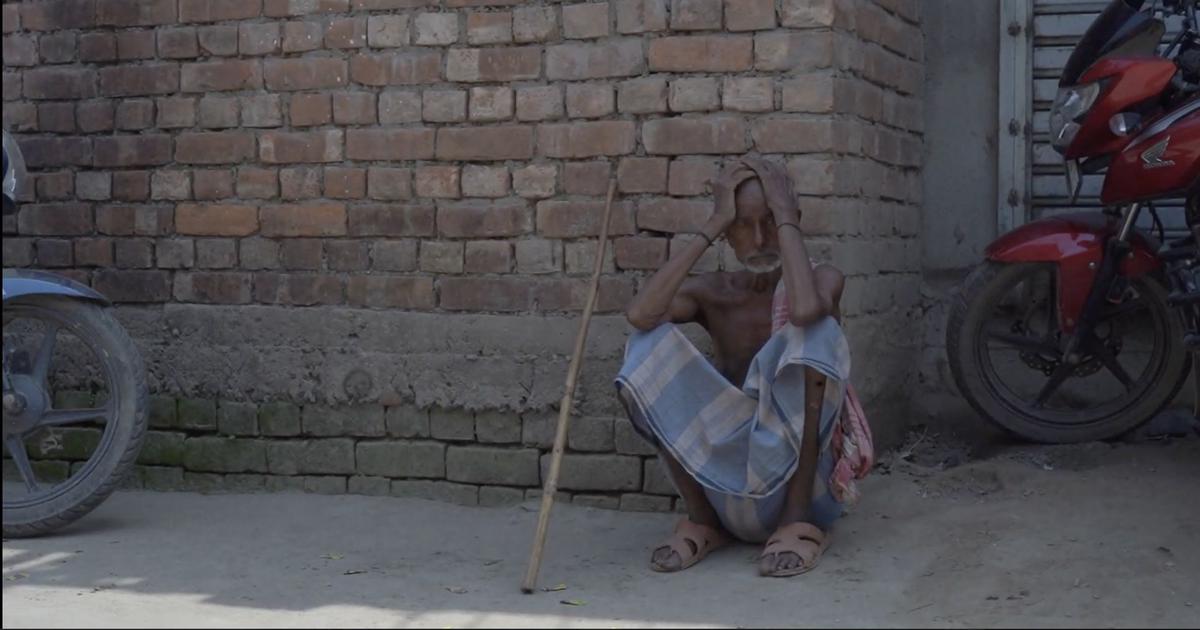
Hossain, a 39-year-old academic based at a private university in India, faced an unexpected setback when his name was removed from the electoral roll in his village of Uttar Dinajpur. Despite having a valid passport and official land records that trace back to the 1950s, he was unable to cast his vote during the recent Assembly elections. On April 23, while his family members exercised their democratic rights at the polling booth, he was left at home, grappling with feelings of exclusion and alienation.
“It was a deeply unsettling moment for me,” Hossain reflected. “Having studied the dynamics of citizenship, I found myself living through a real-life example of hierarchical citizenship. While my family could participate in the electoral process, I was denied that opportunity.” His experience underscores a broader trend in Bengal, where over 9.1 million names were reportedly struck from voter lists as part of the revision process. This figure closely aligns with the Bharatiya Janata Party’s assertions that approximately one crore names on the electoral rolls belong to non-citizens, including alleged migrants from Bangladesh and Rohingyas.
The Election Commission has faced criticism for the lack of transparency regarding how many foreigners were actually identified during this sweeping revision. As the debate over citizenship intensifies, Hossain’s predicament serves as a poignant reminder of the personal consequences of political decisions. The removal of such a significant number of voters has raised alarm bells about the implications for democracy in West Bengal.
As the situation unfolds, Hossain’s story resonates with many who fear for their voting rights and sense of belonging in a nation where citizenship is becoming increasingly contentious. It highlights the intersection of individual lives with the larger political landscape, revealing how academic insights can manifest in stark realities. The question remains: how many more citizens may find themselves on the fringes, unable to engage in the democratic process due to bureaucratic decisions?