Supreme Court Directs West Bengal Ration Dispute to Calcutta HC Amid Controversy over Electoral Roll Exclusions
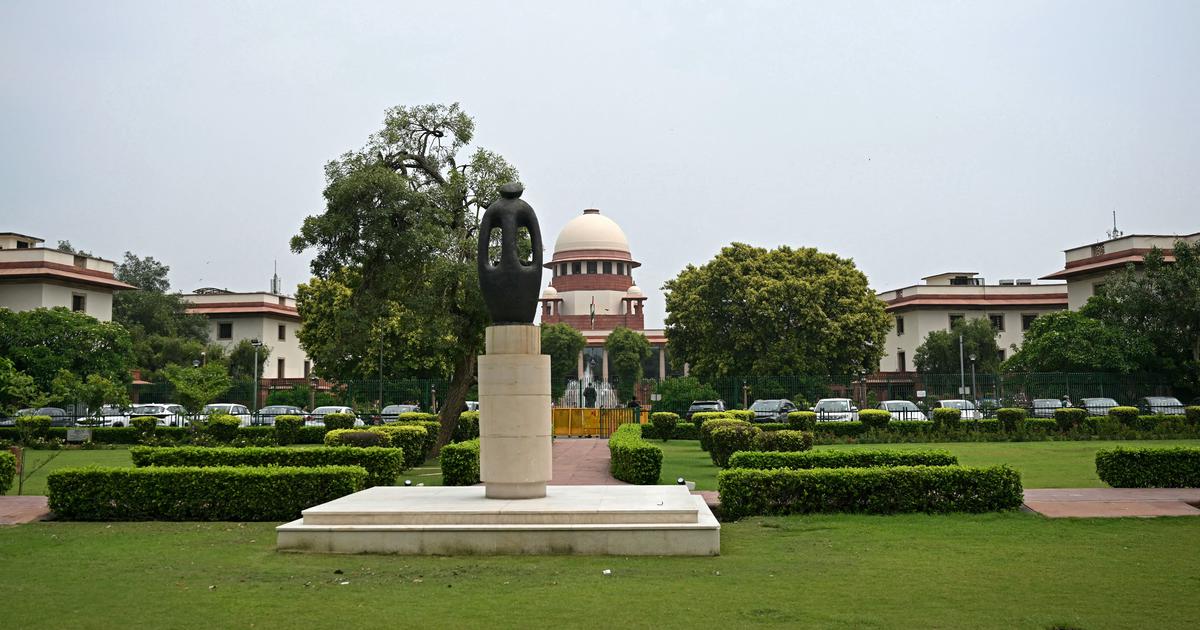
The Supreme Court of India has recently decided not to expedite a plea challenging the West Bengal government’s move to deny ration benefits to individuals excluded from the electoral rolls following a special intensive revision. The bench, comprised of Justices BV Nagarathna and Joymala Bagchi, advised the petitioners to seek recourse in the Calcutta High Court instead of addressing the matter in the apex court directly.
This petition was brought forth by the Paschim Banga Khet Majoor Samity, a union representing farm laborers, who are voicing concerns over a June 4 order from the state’s food and supplies department, along with a notification from the department of women and child development and social welfare dated May 19. Both documents stipulate that an individual’s eligibility for benefits under the Public Distribution System (PDS) and the state’s Annapurna Yojana scheme is contingent upon their classification from the recent electoral revision exercise.
The union argues that this new criteria could render between 3.5 million to 6 million ration cards inactive, significantly impacting vulnerable populations. They assert that tying ration benefits to electoral roll status undermines fundamental rights, particularly the right to equality and the right to life. This contention is bolstered by previous court statements clarifying that exclusion from electoral rolls due to the revision process should not be interpreted as a reflection of an individual’s economic vulnerability or citizenship status.
The implications of this ruling are profound, especially in a state like West Bengal where many families depend on subsidized food grains for their survival. The argument that a bureaucratic revision exercise can dictate access to essential resources raises alarm bells about the potential for widespread food insecurity among the state’s economically disadvantaged. Advocates for the petition emphasize that the state government’s policies should not create additional barriers for those already marginalized, especially in light of the ongoing socio-economic challenges faced by many.
While the Supreme Court’s decision to redirect the case to the Calcutta High Court might delay immediate relief for affected families, it also highlights the ongoing legal battles over welfare entitlements in India. As the situation unfolds, many will be watching closely to see how the high court addresses these pressing concerns and whether it prioritizes the needs of the most vulnerable sections of society amid electoral politics.