Supreme Court Raps Madhya Pradesh Government Over Delay in Vijay Shah’s Prosecution for Colonel Sofiya Qureshi Comments
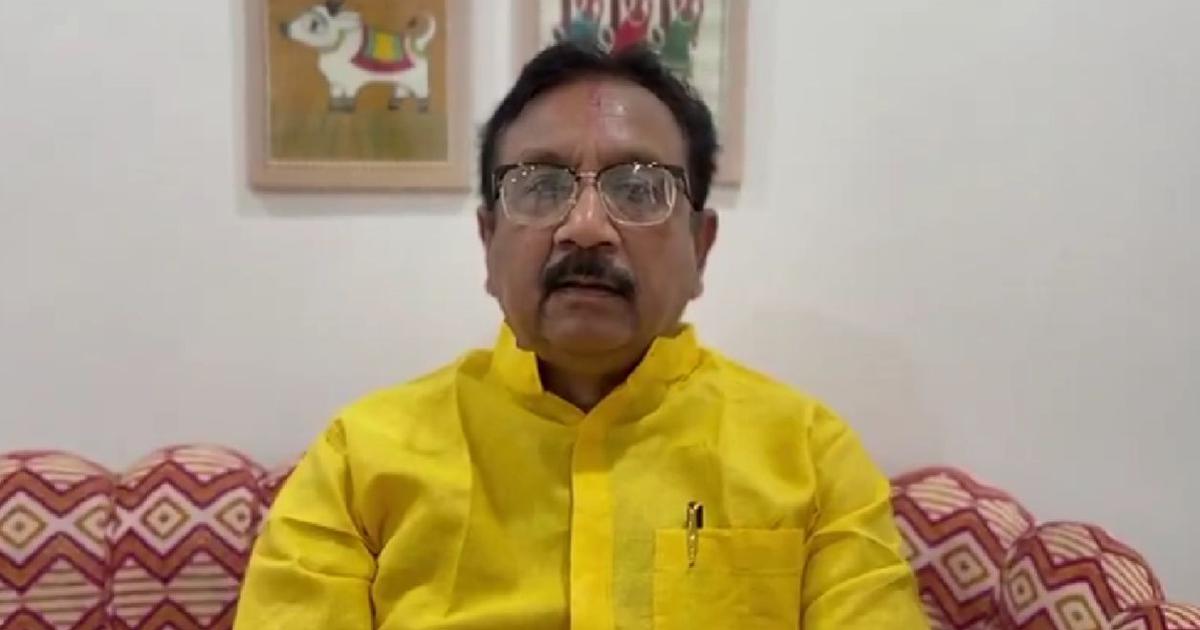
The Supreme Court of India has expressed strong discontent regarding the delay by the Madhya Pradesh government in granting the necessary permission to prosecute Bharatiya Janata Party (BJP) leader and state minister Vijay Shah. This criticism arose after the court took notice of Shah’s controversial remarks about Colonel Sofiya Qureshi, which had sparked significant uproar. The incident brings into focus the ongoing tensions surrounding political discourse in the country.
During a hearing on Friday, the bench, led by Chief Justice Surya Kant and Justice Joymalya Bagchi, emphasized that the required decision from a Special Investigation Team (SIT) regarding the sanction should have been made two weeks ago. The Chief Justice was quoted saying, “Just comply with our order now. Enough is enough.” He highlighted that an apology from Shah should have been the first step following the remarks, which only came into play after the court intervened. This statement underscores the judiciary’s expectation for public officials to take accountability for their words.
The controversy traces back to an event in Mhow on May 13, 2025, where Shah made incendiary comments regarding the government’s stance on national security issues. He suggested that those who have caused suffering to Indian daughters were dealt with by Prime Minister Narendra Modi, insinuating the Prime Minister’s action of sending a woman from the same community was a lesson to them. Although Shah did not directly name any individual, opposition parties quickly interpreted his statements as targeting Colonel Qureshi, a prominent spokesperson during the media briefings associated with Operation Sindoor.
In the backdrop of these remarks, critics have raised concerns about the implications for gender sensitivity and the decorum expected from public figures. Colonel Qureshi, who has been a vocal advocate for women’s representation in the armed forces, found herself at the center of a political storm that many believe undermines the integrity of public discourse. The situation highlights a troubling trend where political rhetoric may lead to the vilification of women in leadership roles.
The Supreme Court’s decision to list the matter for further hearing in four weeks has been seen as a crucial step towards holding the minister accountable. As the court awaits the Madhya Pradesh government’s compliance, the case has reinvigorated discussions around the need for prompt actions against hate speech and inflammatory remarks in political settings. The call for justice echoes a broader demand for responsible and respectful dialogue in the political arena, especially concerning issues that affect women and the military.