The intersection of language and identity is a complex one, and recent discussions surrounding Marathi pronunciations have sparked significant debate among readers. An article titled ‘How the hard ‘na’ insists on Marathi’s caste hierarchy’ has drawn sharp reactions for seemingly linking linguistic variations to caste divisions, prompting many to voice their strong opposition.
Vivek Joshi, one of the readers responding to the article, expressed his deep discontent with the framing of linguistic differences as a vehicle for caste-based distinctions. He argues that such claims are not only unfounded but also detrimental to societal cohesion. ‘This feels like an unnecessary attempt to read caste into something that is simply linguistic diversity,’ Joshi remarked, highlighting that regional biases often manifest in the perception of language. He emphasized that language should serve as a bridge between communities rather than a wedge that drives them apart.
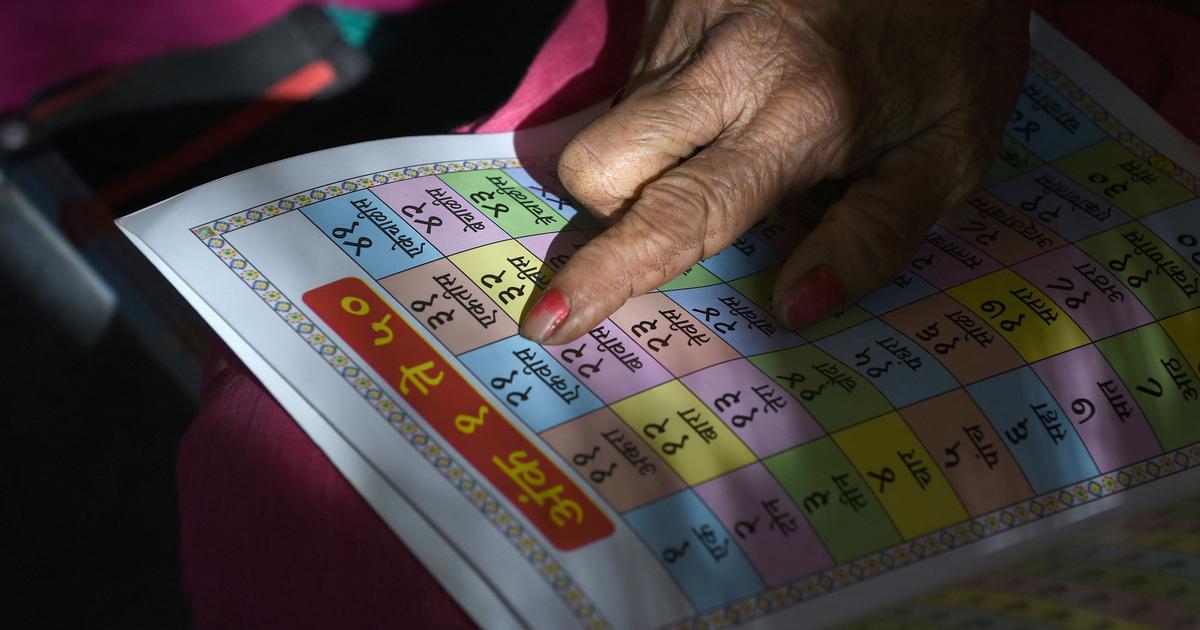
Adding to this, Vasant Kalegaonkar provided a linguistic perspective on the matter, clarifying that the distinction between the non-nasal and nasal pronunciations of ‘na’ in Marathi is purely phonetic and has no relation to caste identity. He pointed out that the Marathi script distinctly represents these variations, suggesting their roots in linguistic structure rather than social hierarchy. Furthermore, Kalegaonkar noted that similar nasal sounds appear in the languages of other communities, such as Jains and Punjabis, demonstrating that these phonetic characteristics are not exclusive to any particular caste.
The article has also drawn a variety of responses from those who believe that such discussions can be overly sensationalized. One reader, who identifies as a non-Maharashtrian Brahmin, approached the topic with a sense of detachment, suggesting that the concerns raised in the article may not hold water when viewed from a broader perspective. This sentiment resonates with many who feel that the real issue lies not in the nuances of pronunciation but in the tendency to inject social stratification into areas where it may not exist.
As this dialogue unfolds, it becomes increasingly clear that the implications of linking language to caste can extend beyond mere conversation. It raises critical questions about how societal narratives are formed and perpetuated, especially in a diverse nation like India where linguistic and cultural variations are abundant. Readers are left contemplating whether discussions around language should focus on the celebration of diversity rather than an insistence on divisive interpretations.