Surging Tourist Traffic Causes Leopard Traffic Jams in Yala National Park, Threatening Wildlife Safety
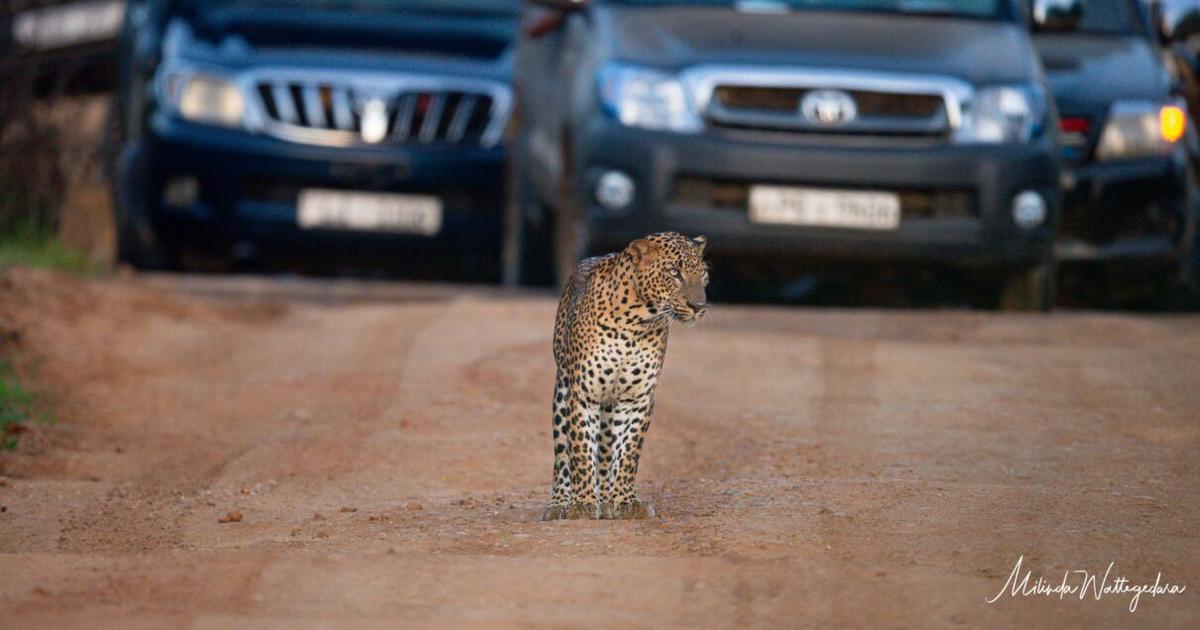
Yala National Park, located in the southern region of Sri Lanka, is renowned for its stunning wildlife and rich biodiversity. Among its attractions, leopards reign supreme as the primary draw for both local and international wildlife enthusiasts. Specifically, Block I of the park boasts the highest density of these majestic creatures, with at least one leopard per square kilometer, making it a hotspot for tourists eager to catch a glimpse of them in their natural habitat.
However, the surge in human activity has led to a concerning phenomenon: overcrowding and the creation of ‘leopard jams.’ These traffic snarls not only detract from the visitor experience but also pose significant risks to the very wildlife that tourists come to admire. The influx of visitors year-round has resulted in a troubling increase in safari jeep traffic, which jeopardizes the safety of the leopards and other inhabitants of the park.
Incidents involving speeding vehicles are not just inconvenient; they have proven to be deadly. Historical records reveal a string of tragic hit-and-run accidents involving leopards. For instance, in October 2011, a young leopard lost its life due to a collision with a safari jeep, followed by another incident in June 2012 that involved the death of a different jungle cat. In a more recent occurrence in September 2021, two safari jeeps collided, injuring a local visitor and highlighting the danger posed by reckless driving in the park.
Adding to this troubling scenario is the recent encounter involving a notable male leopard named Lucas. The leopard was reportedly subjected to a close encounter with a safari jeep, sparking controversy over the circumstances of the incident. While some witnesses claimed the leopard was merely ‘slightly bumped,’ park officials refuted these assertions, underscoring the need for stricter regulations to protect wildlife.
Ravindra Kumara, the warden of Yala National Park, has expressed his concerns regarding these dangerous interactions. He emphasized the importance of safeguarding the park’s ecosystem while balancing the interests of tourism. As Yala continues to draw visitors in droves, authorities must implement measures to mitigate the risks posed by overcrowding and ensure the safety of its iconic leopards and other wildlife.