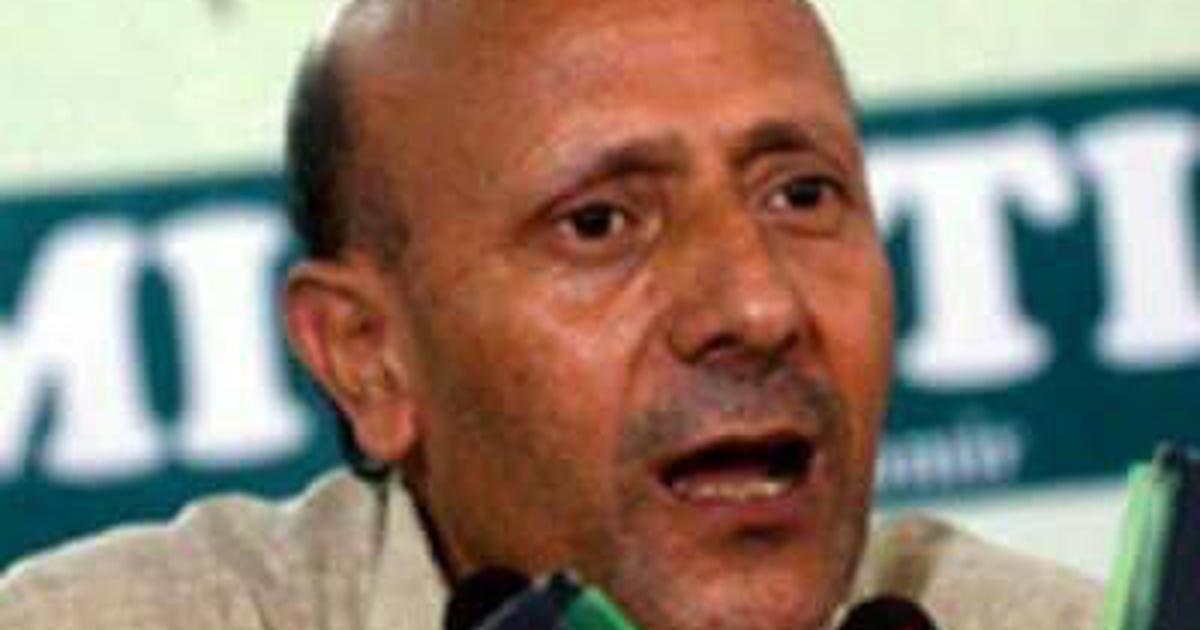
A Delhi court has turned down the interim bail request of Lok Sabha MP Abdul Rashid Sheikh, commonly known as Engineer Rashid, who is currently incarcerated in relation to a terror-funding case. This ruling was delivered on Friday, as Rashid sought to visit his critically ill father, who is hospitalized and reliant on a ventilator.
Engineer Rashid has been behind bars since August 2019, facing charges under the Unlawful Activities Prevention Act (UAPA) due to allegations tied to funding terrorism. His recent appeal for temporary release was grounded in the urgent need to support his father during a dire health crisis; however, the National Investigation Agency (NIA) staunchly opposed the plea. The agency argued that Rashid could meet his father through custody parole, which allows prisoners to temporarily leave jail under armed escort for specific purposes.
This refusal comes in the wake of Rashid’s political career, which continues to see remarkable developments despite his legal troubles. In July 2024, he was granted a brief custody parole to take the oath as a Member of Parliament, a noteworthy event since he won the Lok Sabha election from Baramulla while still in prison, defeating prominent National Conference leader Omar Abdullah. His campaign during the Jammu and Kashmir Assembly elections in October also saw him released temporarily from Tihar Jail.
The court’s decision has raised questions about the balance between personal circumstances and legal accountability, especially in high-profile cases like Rashid’s. Critics argue that the legal system must take into account the humanitarian aspects of such requests, particularly when family health issues are involved. However, the NIA maintains that allowing bail could set a concerning precedent, emphasizing the necessity of maintaining strict protocols in cases associated with national security.
As this situation unfolds, it highlights the complex interplay between politics, law, and personal crises in India. Engineer Rashid’s case is emblematic of broader issues regarding the treatment of political prisoners in the country, raising discussions on due process, human rights, and the responsibilities of the judiciary in ensuring justice while navigating sensitive family matters.