The Complexity of Akbar: A Call for Nuanced Historical Discourse in India’s Politicized Climate
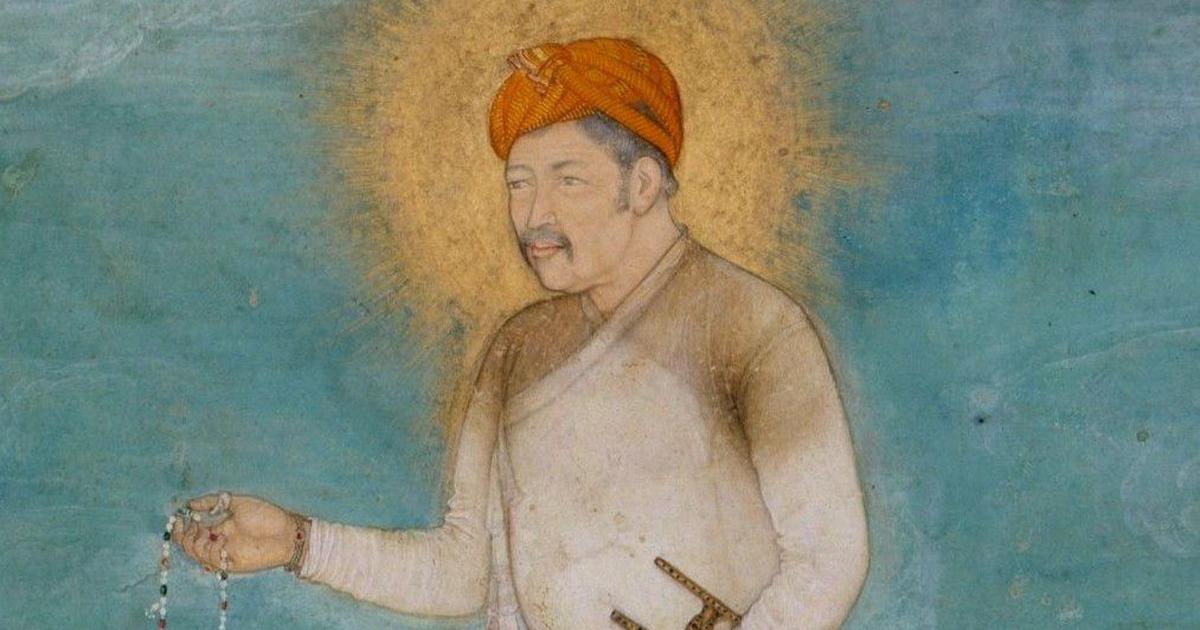
The discourse surrounding historical figures in India, particularly the Mughals, has become increasingly charged in recent years. The recent article by Syed Ali Nadeem Rezavi, titled ‘Was Akbar really a ‘secular’ icon?’, brings forth a crucial conversation about the interpretation of Emperor Akbar’s legacy amidst the current political landscape. This is especially significant given the oversimplified representations often perpetuated by proponents of Hindutva, who seek to frame Akbar within a narrow ideological narrative.
For over three decades, scholars have engaged deeply with Akbar’s reign, recognizing him as a complex figure rather than a mere caricature. Unfortunately, as Rezavi highlights, the challenge of discussing the Mughals has intensified due to the highly politicized environment in India. Historians are faced with the daunting task of defending Akbar against these simplistic portrayals while remaining committed to a more nuanced understanding of his contributions to Indian history. However, the discourse risks becoming circular when even reputable historians find themselves referencing the very sources that have contributed to the present-day anachronistic lens through which Akbar is viewed.
Rezavi’s invocation of the Aligarh school of historians is particularly interesting, as it underscores the paradox of their portrayal of Akbar. While they have played a pivotal role in shaping the narrative of Akbar as a secular and proto-nationalist ruler, this characterization can sometimes neglect the multifaceted nature of his governance and ideology. The global left, both in India and abroad, has often used Akbar’s image to construct a narrative that fits a specific political agenda, which may not accurately reflect the historical realities of his reign.
This oversimplification can be detrimental, as it not only misrepresents Akbar’s actual policies and beliefs but also fuels divisive rhetoric in contemporary discussions about national identity. Rather than viewing history through a binary lens of secularism versus religiosity, it is crucial to appreciate the intricate tapestry of cultural and religious dynamics that defined Akbar’s rule. He was known for his inclusive policies, such as the establishment of the Din-i Ilahi, which aimed to foster dialogue between different faiths. Such initiatives illustrate his endeavor to create a syncretic culture in a diverse society.
As we navigate through these complex narratives, it is essential for historians and the public alike to engage in a discourse that seeks to understand Akbar not as a symbol of a particular ideology but as a historical entity marked by contradictions and complexities. To do so requires moving beyond the simplistic caricatures that serve political agendas and instead embracing a richer, more diverse interpretation of India’s past. Only then can we hope to foster a more inclusive national dialogue that recognizes the depth and breadth of India’s historical legacy.