The Growing Crisis: How the Loss of Ecological Buffers is Intensifying Water Scarcity in India
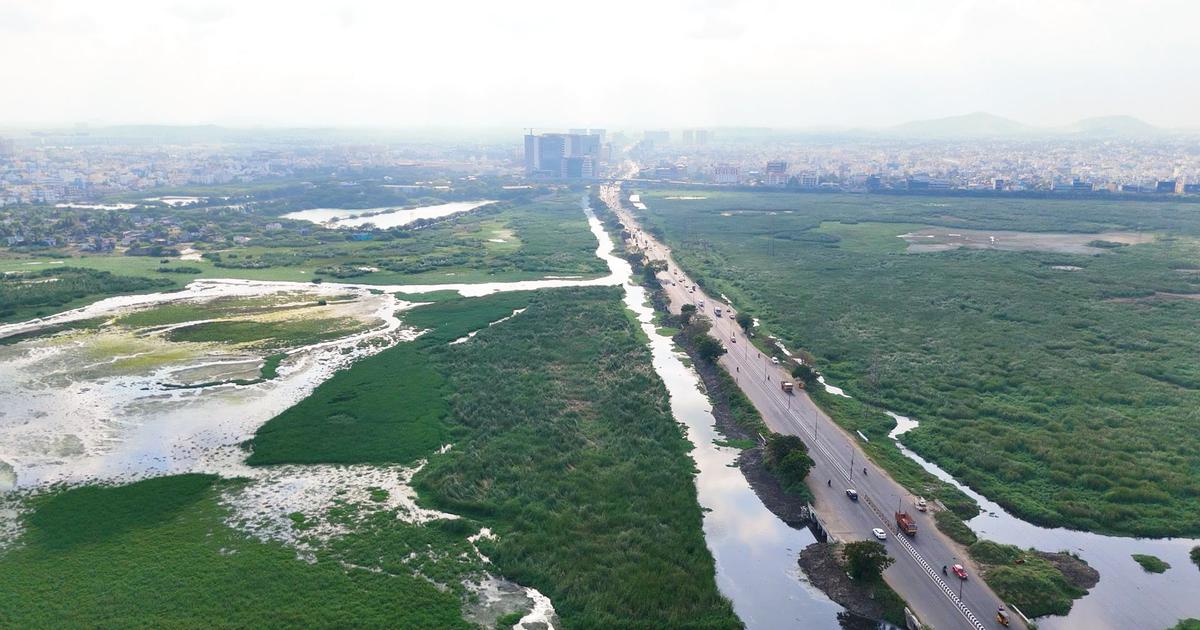
As India grapples with an escalating water crisis, the deterioration of ecological buffers emerges as a critical factor exacerbating the situation. These buffers, which include wetlands, forests, and other natural landscapes, play a vital role in maintaining the balance of our ecosystems and ensuring a sustainable water supply. However, rapid urbanization and unchecked industrialization have led to the degradation of these essential natural resources, resulting in severe consequences for the country’s water availability.
India’s water woes are not a new phenomenon, but their urgency has intensified in recent years. The country faces a daunting challenge, with a significant portion of its population relying on limited freshwater sources. As urban areas expand and agricultural demands increase, the pressure on these water sources has reached alarming levels. The loss of ecological buffers means that the natural filtration processes that replenish groundwater are diminished, leading to increased water scarcity, especially in rural areas where communities depend heavily on agriculture.
Wetlands, often dubbed the “kidneys of the earth,” are among the most crucial ecological buffers that have been significantly impacted. They act as natural sponges, absorbing excess rainfall and storing water, which is vital during dry spells. The encroachment on these areas for construction and agriculture not only reduces available water but also disrupts local biodiversity, further complicating the issue. As these ecosystems vanish, the interconnectedness of water, soil, and flora is disrupted, leading to a cascade of negative effects on agriculture and local communities.
Moreover, forests also play an instrumental role in preserving water resources. They help in maintaining the hydrological cycle by facilitating rainwater infiltration and reducing surface runoff. Deforestation, driven by urban development and agricultural expansion, has diminished forest cover and, consequently, the ecosystems’ ability to regulate water flow. The impact is felt not just in urban centers but also in rural areas, where farmers struggle with diminishing soil moisture and unpredictable rainfall patterns.
The Indian government and various organizations are beginning to recognize the urgent need to restore and protect these ecological buffers. Initiatives such as reforestation projects, wetland conservation efforts, and community-led water management programs are gaining traction. By investing in these natural solutions, India can work towards a more sustainable and resilient water management strategy. The future of water security in India relies heavily on our ability to foster a harmonious relationship with nature, recognizing that the preservation of ecological buffers is not merely an environmental issue but a pressing matter of survival for millions.