




The Impact of Partition Violence on Hindus and Sikhs in Afghanistan: A Historical Perspective
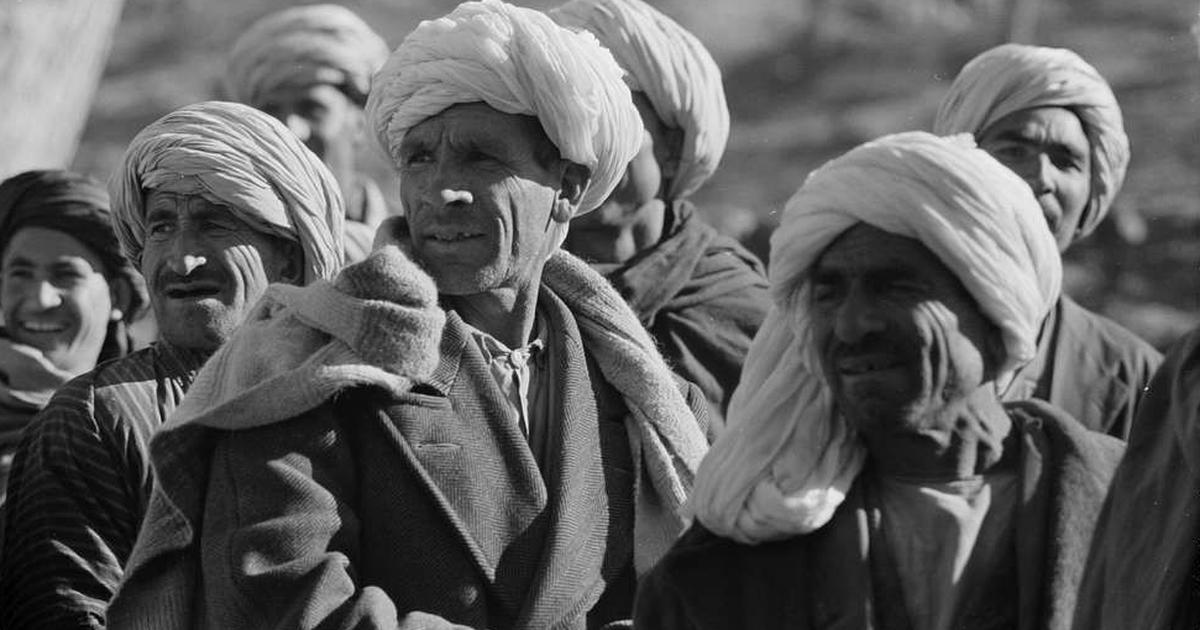
In September 1947, as the tumultuous events of India’s Partition unfolded, the Afghan capital of Kabul found itself on edge, grappling with the potential spillover of communal violence. With tensions rising across the border, the city’s authorities were acutely aware of the risks posed to their own stability. F.M. Muhammad Asif Khan, then the Police Commandant of Kabul, extended an olive branch to a group of influential Muslim traders from Pakistan. In a memo dated September 19, a British military attache noted Khan’s appeals for calm, emphasizing the need for restraint amid fears of escalating violence.
Khan’s message was significant; he expressed solidarity with Muslims across the border while urging the traders to avoid any provocations that could disturb the peace in Kabul. Importantly, he warned them against retaliating against the Hindu and Sikh communities residing in Afghanistan, highlighting an understanding of the delicate social fabric that existed within the country.
Despite the overall calm in Kabul, the situation was far more dire in Afghanistan’s provinces. Reports from Kandahar indicated the eruption of violent communal incidents that forced many Hindus and Sikhs to flee their homes. The British attache documented the plight of these communities, noting that an influx of refugees from Kandahar and other regions had begun to arrive in Kabul. The migration was marked by desperation, as families sought safety amid growing uncertainty.
In their bid to escape the turmoil, many Hindus and Sikhs were compelled to sell their possessions at distressing rates, exchanging their Afghan currency for gold and jewelry. This effort was aimed at ensuring they could carry their wealth with them if they were forced to leave Afghanistan altogether. The increasing fear of violence not only threatened their physical safety but also jeopardized their sense of belonging in a country they had called home for generations.
The historical significance of this period cannot be overstated. The Partition of India in 1947 was not merely a political event; it marked the beginning of considerable upheaval for minorities across the subcontinent, including those in Afghanistan. For the Hindu and Sikh populations, who had deep cultural and familial ties to the Indian subcontinent, the violence that erupted during this time was a painful reminder of their precarious position.
As the Afghan authorities navigated the challenges posed by this external crisis, the resilience of the Hindu and Sikh communities became evident. Despite being caught in the crossfire of communal tensions, many sought to carve out a semblance of normality within their lives in Afghanistan. Their stories of survival and adaptation in a foreign land are a testament to their spirit and endurance amidst adversity.
As we reflect on these events today, it is imperative to recognize the history of communal strife that shaped not only the destinies of nations but also the lives of individuals and communities. The narratives of Hindus and Sikhs during the Partition period in Afghanistan serve as a poignant reminder of the human cost of political decisions and the enduring legacy of such historical events.

