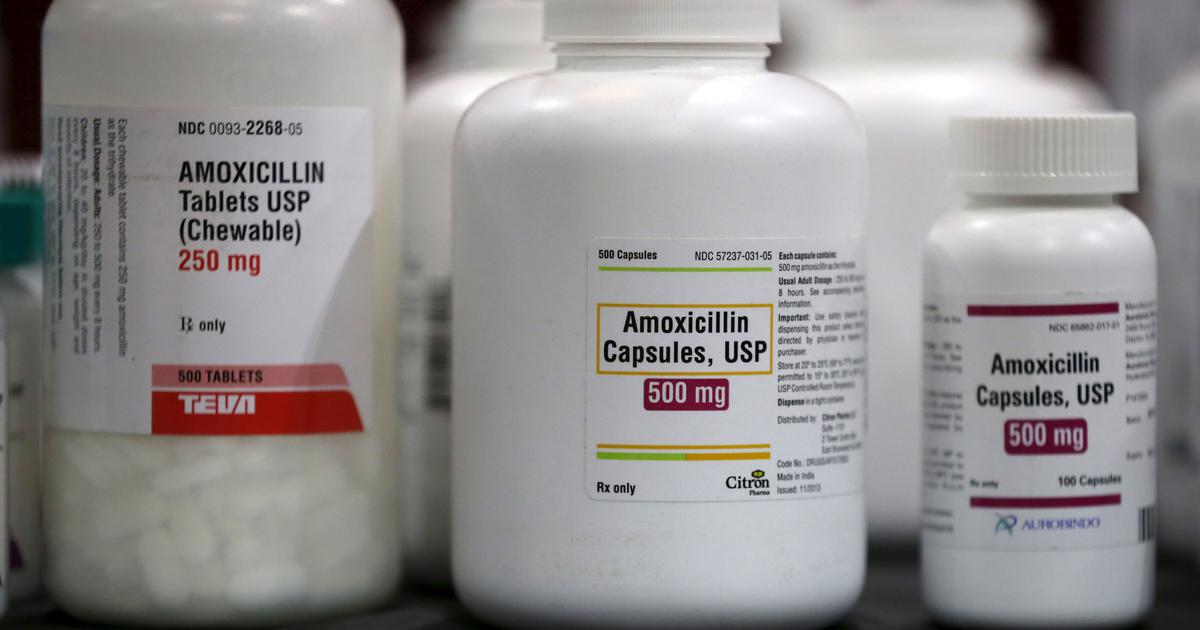
Antibiotics have long been hailed as a cornerstone of modern medicine, revolutionizing healthcare by transforming once-fatal infections into manageable conditions. However, the evolution of bacteria poses an alarming threat to this medical marvel, making many commonly used antibiotics less effective. This growing phenomenon, known as antimicrobial resistance (AMR), is escalating into a global crisis, particularly in a populous country like India, where the consequences could be devastating.
Antimicrobial resistance occurs when bacteria adapt and develop mechanisms to withstand the drugs designed to eradicate them. As a result, treatable infections are becoming increasingly difficult to manage, leading to a staggering estimated 1.27 million deaths each year globally, a figure that underscores the urgency of this crisis. With India’s dense population and high rates of antibiotic misuse, the country stands at a critical juncture in the fight against AMR.
The World Health Organization (WHO) has issued grave warnings about the impending “post-antibiotic era,” a time when even ordinary infections could pose life-threatening risks once more. In the early 20th century, before the discovery of antibiotics, minor injuries, a common sore throat, or childbirth routinely resulted in severe infections due to a lack of effective treatments. Diseases like pneumonia and tuberculosis were among the leading causes of mortality, and the healthcare landscape was vastly different from today’s standards.
The groundbreaking discovery of penicillin by Alexander Fleming in 1928 marked the dawn of a new medical era, significantly reducing the death toll from infectious diseases. However, the over-reliance on antibiotics and their indiscriminate use have paved the way for bacteria to become resilient, leading to the emergence of superbugs that no longer respond to conventional treatments. The repercussions of this cannot be understated, especially in a country where antibiotic over-prescription has become a prevalent issue.
As we face this critical challenge, it becomes imperative for stakeholders in India—healthcare professionals, policymakers, and the general public—to adopt a more responsible approach to antibiotic use. Strengthening regulations on prescriptions, raising public awareness about the dangers of self-medication, and promoting vaccination can collectively mitigate the risks of AMR. Additionally, investing in research and development for new antibiotics and alternative therapies will be crucial in combating this evolving threat.
In conclusion, the fight against antimicrobial resistance is not just a healthcare issue; it is a societal challenge that requires collective action. As we navigate this precarious landscape, educating ourselves and taking proactive measures against antibiotic misuse will be essential in protecting future generations from the perils of a post-antibiotic world.