The Pioneering Legacy of Farzana un-Nissa: How a Courtesan Reshaped History and Smallpox Beliefs in India
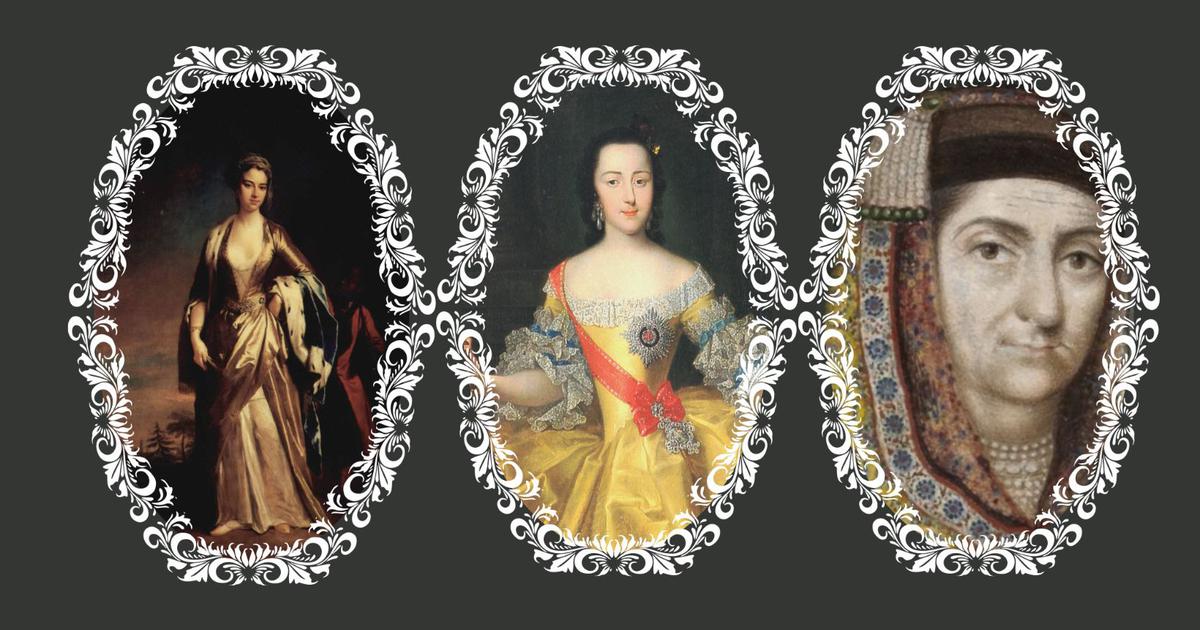
In the 18th century, the fate of Farzana un-Nissa, a tawaif and nautch girl of Kashmiri origin, changed dramatically when she married General Walter Reinhardt Sombre, a European mercenary known for his shifting allegiances in a tumultuous political landscape. After converting to Catholicism, she adopted the name Joanna Nobilis Sombre, stepping into a world defined by power and strife.
Following her husband’s untimely death, Farzana inherited a massive fortune and emerged as the ruler of Sardhana, located in modern-day Meerut, Uttar Pradesh. Buried in Jharsa, now part of Gurgaon, her grave marks the resting place of a woman whose influence extended far beyond the confines of her personal life. Renowned for her military prowess, she led troops in critical battles against British forces, showcasing an extraordinary blend of strategy and bravery that has etched her name into the annals of British imperial history.
Beyond her military achievements, Farzana’s narrative intertwines with the cultural history of smallpox in India, where she has become a figure wrapped in legend. According to lore, when her son fell gravely ill with smallpox, she fervently prayed at a sacred site, and his miraculous recovery led to the location being revered as a divine abode. This event not only highlighted her devotion as a mother but also cemented her status as a patron of the deity associated with healing and protection from the deadly disease.
The story of Farzana un-Nissa is a testament to the potential of individuals to transcend their origins and carve out significant legacies amidst chaos. Her life reflects the complexities of Indian society during a period marked by colonial encroachment and internal strife, showcasing how women, often marginalized in history, played pivotal roles in shaping cultural and political landscapes.
As we delve deeper into her story, we find that Farzana’s impact is not merely confined to military exploits or local folklore; it resonates through the cultural myths surrounding smallpox, a disease that once wreaked havoc in India. In a time when medical knowledge was limited, her association with divine intervention provided hope and comfort to many families suffering from the disease. The reverence surrounding her memory demonstrates how personal stories can evolve into collective narratives that shape cultural identities and beliefs.