The Resilience of Gig Workers: Battling the Heat for Survival in India’s Delivery Sector
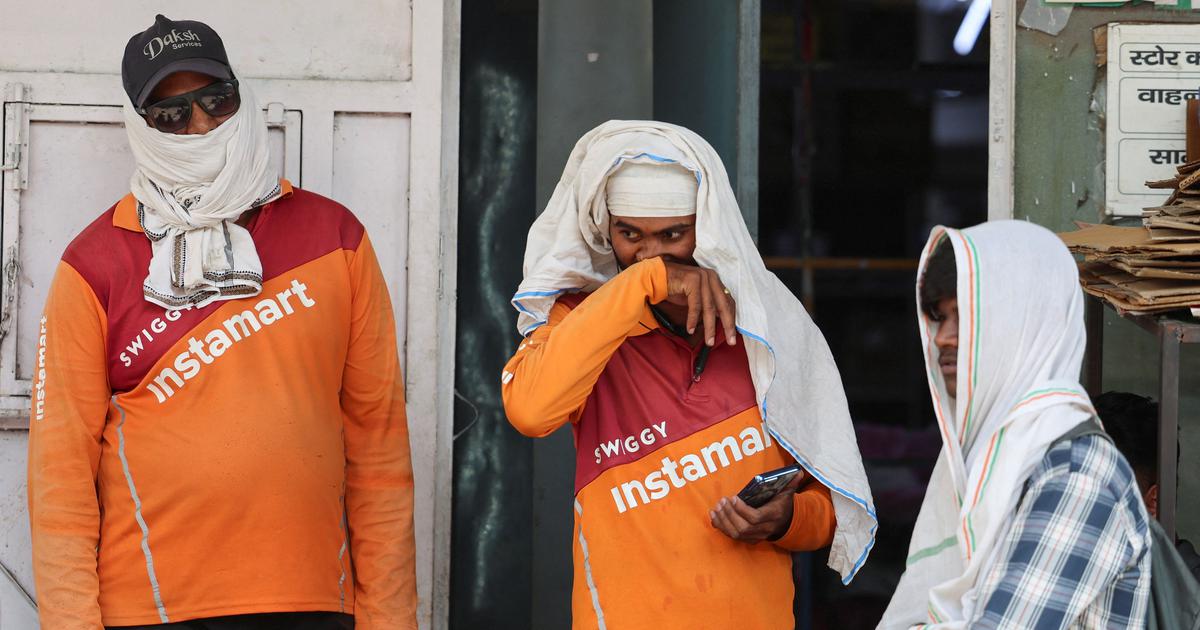
In the sweltering heat of Delhi, Rakesh Sahu, a 30-year-old delivery agent working for Swiggy, epitomizes the grit of India’s gig economy. With a cloth wrapped around his head and a cap shielding him from the relentless sun, he is one of the millions of gig workers who endure extreme weather conditions to make ends meet. “No matter if it is hot or raining, we have to work,” he shares, highlighting the precarious nature of their employment.
As of 2020-21, India boasted approximately 7.7 million gig workers, a figure that is projected to soar to 23 million by 2029-30. These workers, often seen navigating the urban landscape on two-wheelers, face a daily battle against the elements. Working up to 12 hours a day, they contend with a glaring lack of basic amenities like shade, clean drinking water, and even accessible toilets. The absence of social security, paid leave, or any form of income protection forces them into a cycle of constant work, leaving little room for rest and recovery.
Ankit Soni, a 22-year-old delivery worker from Bihar’s Siwan district, reveals the physical toll of the job. After three years in the field, he describes the exhaustion of climbing multiple floors in apartment complexes, often without the option to use elevators. “When we climb three to five floors, we get dizzy,” he explains. The pressure to deliver promptly, coupled with the grueling conditions, often results in a race against time, especially during the oppressive summer months.
The challenges of being a gig worker are further exacerbated by the scorching ‘loo’ winds, which make even the simplest tasks feel insurmountable. As Soni recalls the discomfort of working in high temperatures, he highlights the necessity of resilience in their line of work. “When the loo blows, the conditions become even worse. Staying in the sun for long hours can be incredibly taxing,” he admits.
Despite these hardships, many gig workers feel compelled to continue due to the financial incentives and penalties imposed by their employers. The pressure to maintain their earnings often means sacrificing their health and well-being. The precariousness of gig work leaves them trapped, as skimping on work can lead to a loss in pay, thereby reinforcing their commitment to endure the harsh conditions.
As the number of gig workers in India continues to rise, there is a pressing need for policies that protect these workers and provide them with the necessary social security and benefits. The stories of Rakesh and Ankit serve as stark reminders of the resilience required to survive in the face of adversity, shedding light on the urgent need for systemic change in the gig economy.