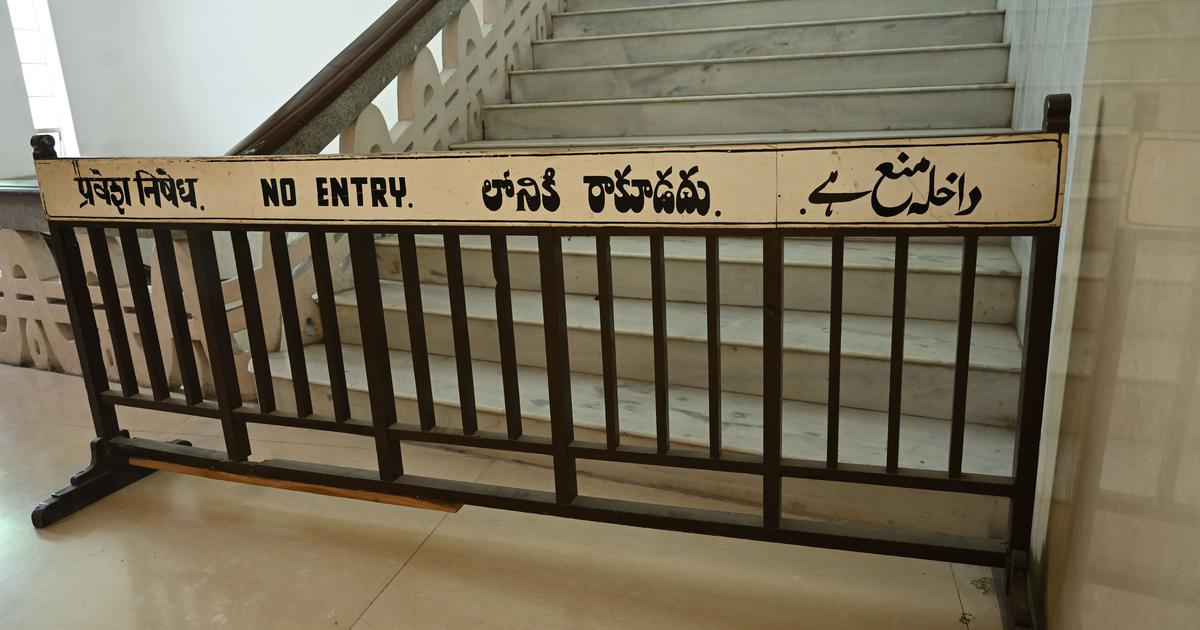
Language is more than mere communication; it forms the very essence of a culture. In India, a nation of immense linguistic diversity, languages serve as vessels of rich heritage and identity. The recent discourse surrounding the diminishing presence of Urdu in public dialogue highlights a concerning trend regarding cultural erasure. A new book delves into this phenomenon, providing insight into how Urdu, once a vibrant part of India’s heartland, has been sidelined.
Urdu has historically thrived in India as a symbol of artistic expression, encompassing poetry, prose, and drama. Renowned literary critic George Steiner aptly notes that no two languages perceive and articulate the world in identical ways. Each language carries with it the weight of memories, social relationships, and cultural nuances that are unique to its speakers. Hence, the erosion of any language inevitably leads to the dilution of a culture’s richness. In the case of Urdu, its gradual removal from mainstream conversations signals a troubling trend that threatens India’s pluralistic identity.
The drafting of the Indian Constitution brought forth the question of cultural rights, particularly for minority communities. The early discussions around these rights were somewhat embryonic, as political leaders grappled with the concepts of freedom of religion, language, and culture. Notably, the Congress Party, as early as 1931 during the Karachi Resolution, acknowledged the need to safeguard minority languages and cultures, recognizing their role in fostering a harmonious society.
Yet, despite this acknowledgment, the reality for Urdu speakers has changed dramatically. The language, which once flourished in literary circles and everyday discourse, has faced significant marginalization over the years. This trend can be attributed to various socio-political factors that have increasingly prioritized other languages, often at the expense of Urdu. Government policies, educational frameworks, and societal attitudes have cultivated an environment where Urdu speakers often find themselves isolated and their linguistic identity undermined.
The book in question serves as a crucial reminder of this cultural trajectory, emphasizing the importance of preserving languages like Urdu as part of India’s vast tapestry. As we navigate the complexities of modern India, it is imperative to uphold the rights of all linguistic communities. This preservation not only honors the past but also enriches our collective future. As citizens of a diverse nation, understanding and respecting each language is essential for fostering a sense of unity amid diversity, which has always been a hallmark of Indian identity.