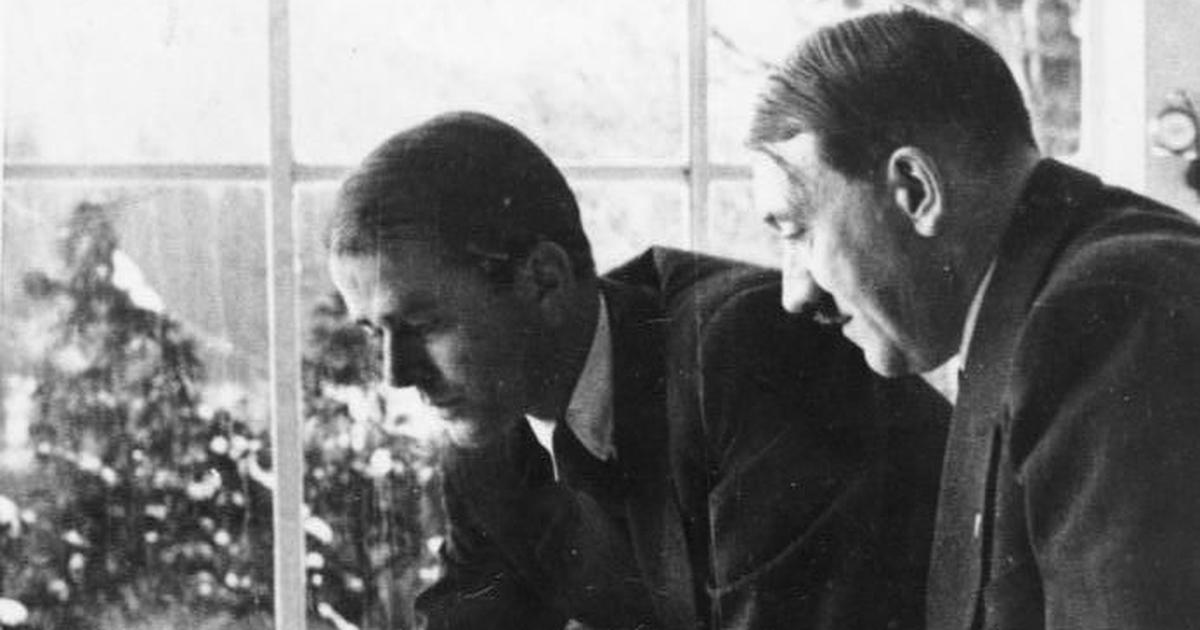
In the realm of biographical literature, producing an engaging narrative about a historical figure known for his deception can be an arduous endeavor. This is particularly true for Albert Speer, the notorious architect and war criminal who was closely linked with Adolf Hitler. Jean-Noël Orengo tackles this challenge in his latest novel, You Are the Führer’s Unrequited Love, which has recently been translated into English by David Watson. Orengo’s masterful work transcends mere historical recounting; it delves into the intricate process of storytelling itself, prompting readers to consider the motivations behind the narratives we construct about history.
Orengo’s exploration of Speer positions him not merely as a Nazi official but as a complex individual whose rise to power was marked by a unique blend of charisma and cunning. For a decade, Speer occupied a significant role within Hitler’s inner circle, arguably becoming the closest figure to a friend that the dictator ever had. This unorthodox relationship is underscored by the novel’s provocative title, suggesting a profound yet unconventional bond, possibly even romantic in nature, albeit devoid of physical intimacy. Speer’s flattery and validation of Hitler’s artistic aspirations allowed him to thrive in a regime that was ultimately characterized by its brutal oppression.
Serving as the Minister of Armaments from 1942, Speer played a pivotal role in sustaining the German war effort during World War II. His industrial strategies and resource management provided the necessary military support for the Nazi regime, prolonging their fight against the Allies to an inevitable conclusion. However, Orengo’s narrative goes beyond pinpointing Speer’s contributions to the war; it invites readers to engage with the moral complexities of his character and the broader implications of his actions.
The novel raises critical questions about memory and accountability, particularly in the context of how history is recorded and remembered. Orengo’s metahistorical approach encourages readers to reflect on the reasons behind the stories we tell, highlighting the blurred lines between historical fact and personal myth. In examining Speer’s life, the book challenges us to confront the uncomfortable truths about complicity and the narratives that have shaped our understanding of the Nazi era.
For Indian readers, this exploration of moral reckoning resonates with our own historical narratives, reminding us of the importance of scrutinizing the past. As we navigate our complex history, the stories we tell can often shape our national identity and collective memory. Orengo’s insightful analysis serves as a reminder that our relationship with history is not just about facts and dates; it is also about the stories that give those facts meaning. You Are the Führer’s Unrequited Love thus emerges as a significant contribution to both historical literature and our understanding of morality in the face of tyranny.