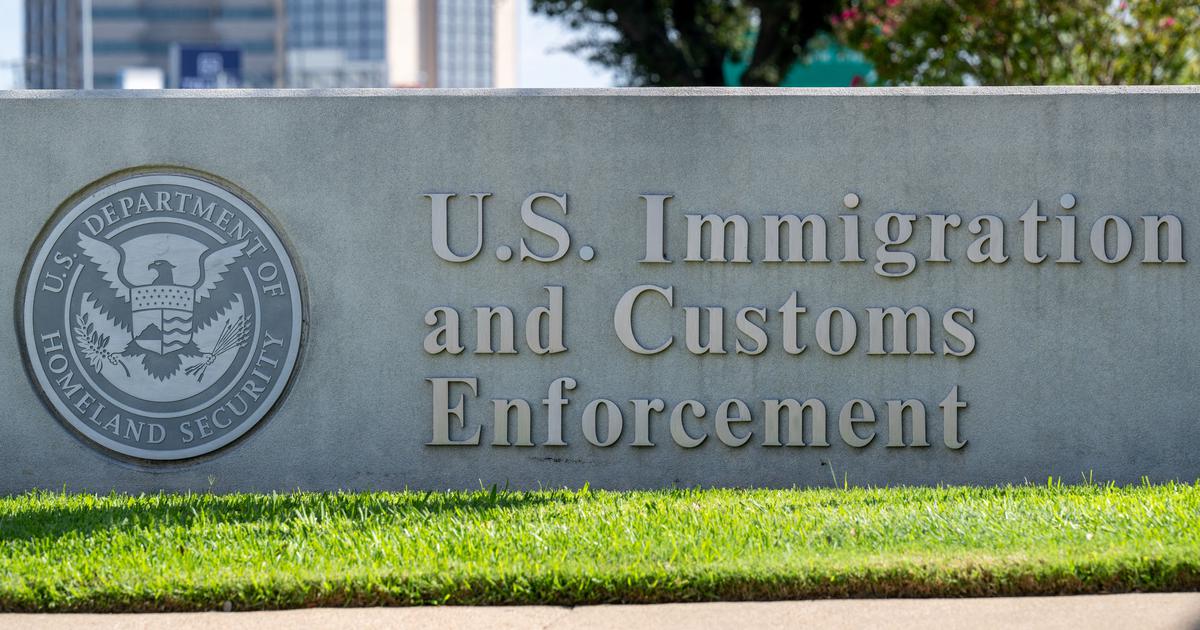
A 53-year-old Indian-origin woman, Meenu Batra, is currently detained by the United States Immigration and Customs Enforcement (ICE), facing the grim prospect of deportation. Reports have emerged that Batra, a single mother of four adult children who are US citizens, was apprehended on March 17 at Harlingen Airport in Texas while en route to Milwaukee for a work assignment as a court interpreter.
For over two decades, Batra has served as an interpreter fluent in Hindi, Punjabi, and Urdu within the US judicial system. Her journey to America began 35 years ago when she fled from India following the tragic murder of her parents during communal violence. Seeking refuge, she applied for asylum and, in 2000, was granted a status known as “withholding of removal.” This designation, however, does not equate to asylum and comes with significant limitations regarding her immigration status.
According to her attorney, the “withholding of removal” status allows Batra to work legally in the US, provided she refrains from leaving the country or committing any crimes. Nevertheless, this status does not protect her from being deported. Batra has expressed her understanding that she is legally residing in the United States, but the Department of Homeland Security has categorized her as an “illegal alien,” complicating her already precarious situation.
The implications of Batra’s detention reverberate beyond her personal circumstances, highlighting the complexities of the US immigration system, particularly for individuals with a similar background. Amidst a backdrop of stringent immigration policies, many are left in limbo, unable to fully secure their status despite years of contribution to society. Batra’s case sheds light on the struggles faced by immigrants who came to the US seeking safety and a better life.
As discussions around immigration reform continue to unfold in the US, stories like Batra’s serve as poignant reminders of the human experiences behind the statistics. Advocates for immigrant rights are rallying in her support, emphasizing the need for a more compassionate approach to individuals who have made significant sacrifices and contributions in their adopted homeland.