The Partition of India in 1947 was not just a political upheaval; it was a seismic event that altered the very fabric of the nation and left deep psychological scars that resonate through generations. In her new book, the author delves into the harrowing experiences of individuals like Ramaji, revealing how moments of fear, loss, and survival have shaped collective and personal psychologies in India.
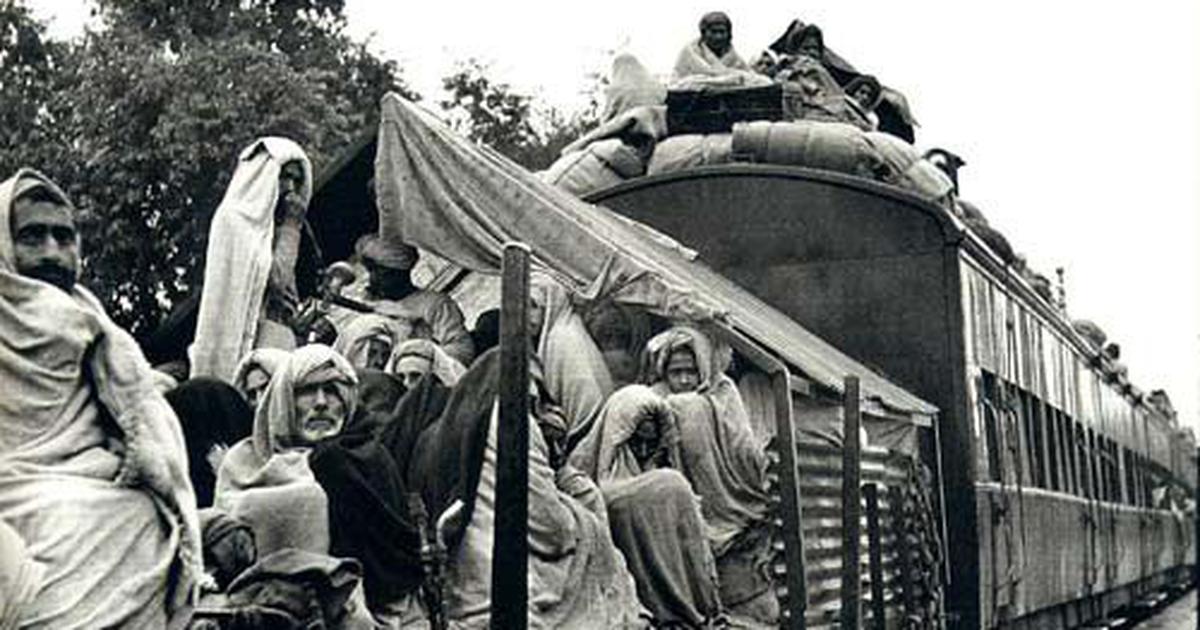
Ramaji’s story, set against the backdrop of Quetta, serves as a poignant illustration of the chaos that ensued during the Partition. On the eve of their exodus, her family found themselves in a life-threatening situation as a mob approached their home. The tension in the air was palpable as her father, sensing the impending danger, whisked the family away to hide in a neighbor’s house. They huddled together on the terrace, holding their breath in terror, praying that the mob would overlook their presence and move on.
The terror of that night is etched in Ramaji’s memory, a testament to the trauma that countless families endured during this tumultuous period. Thankfully, their concealment paid off, as the mob mistakenly assumed the houses were empty. Yet, the psychological weight of such an experience was far from over. The immediate sense of danger was replaced by the urgency to flee. Their discussions were brief and grave as they prepared for the journey ahead.
In a race against time, Ramaji’s family began gathering their most valuable belongings. The need for money and precious items was critical as they navigated this uncertain future. They managed to save around ₹22,000—a considerable sum for those times—along with some cherished jewelry. Ingeniously, Ramaji’s mother crafted belts from cotton cloth to securely hide their valuables, which were discreetly worn by her elder brother and other family members. This act was a small but crucial step in safeguarding their future in the midst of chaos.
The legacy of trauma stemming from the Partition is not merely a relic of history but a living experience that shapes the identities of millions today. The emotions and fears once felt by individuals like Ramaji continue to echo through generations, affecting how families perceive trust, safety, and community. As we reflect on these narratives through literature, it becomes clear that understanding this psychological aftermath is vital in comprehending present-day societal dynamics in India.