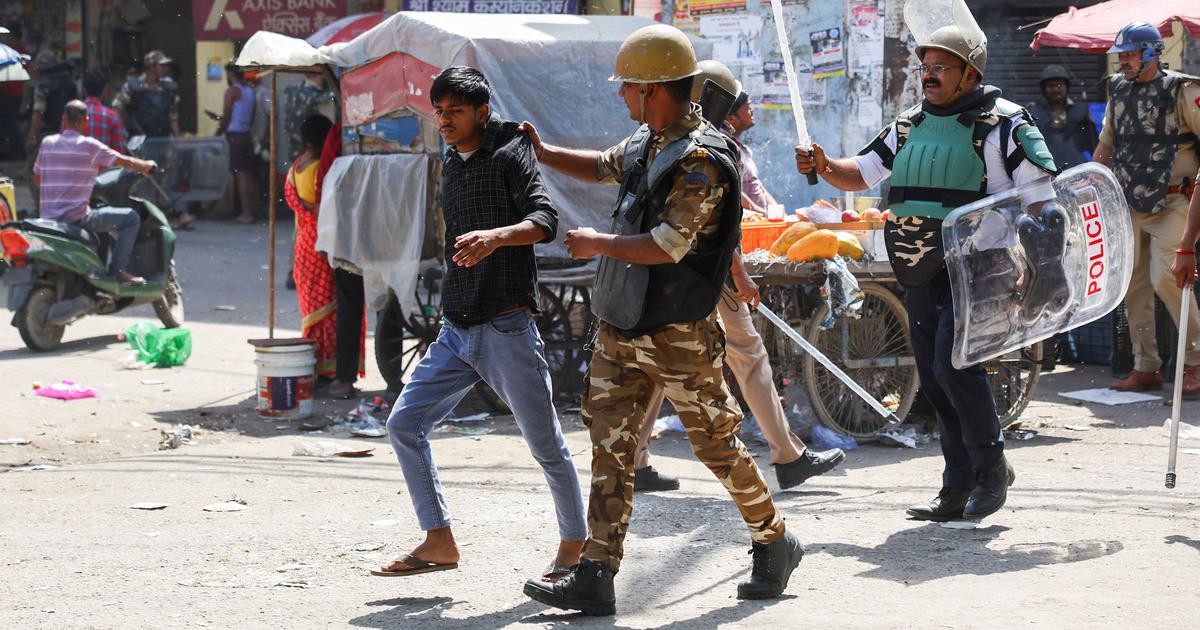
In a powerful display of solidarity and urgency, workers across various urban centers in India took to the streets in early April, highlighting a pressing issue: the inadequacy of their wages in light of soaring living costs. From domestic help and gig economy workers to industrial laborers, these individuals, many of whom are migrants, are demanding better remuneration and fair treatment.
The protests were ignited by a combination of factors, including the rising cost of essential goods and the economic fallout following the military strikes initiated by the US and Israel on Iran. This conflict, which has been escalating for nearly two months, has exacerbated financial hardships for many Indian families. In regions like the Delhi-National Capital Region (NCR), workers are facing significant financial stress, with many struggling to make ends meet on monthly salaries that range from a mere Rs 13,000 to Rs 20,000.
Workers in Noida expressed their grievances, revealing that their monthly expenses have spiked dramatically. With rent prices hovering around Rs 5,000 and food costs at Rs 4,000, there is little left for savings. One factory worker described the disheartening reality of receiving only a Rs 39 increase in his monthly paycheck, which is nowhere near enough to combat the rising expenses. Furthermore, intimidation tactics, such as wage deductions for participating in protests, have been reported, with many voicing concerns about violence used by employers to suppress their demands.
The situation is not unique to Noida. Across urban India, the plight of domestic workers reveals a grim reality. Many earn between Rs 7,000 to Rs 12,000 per month by juggling multiple jobs, all while lacking basic employee benefits such as paid leave or social security. A recent report highlighted that even security personnel working at prominent hospitals in Delhi face similar challenges, earning low wages that fail to reflect their contributions to society.
As these protests gain momentum, the message from workers is clear: the time for change is now. They are calling for living wages that align with the realities of urban life in India. This movement is not just about financial compensation; it represents a broader struggle for dignity, respect, and recognition in a society where the contributions of the working class are often overlooked. As the conflict in the Middle East continues to unfold, it serves as a stark reminder of the interconnected nature of global economics and local livelihoods, underscoring the urgent need for action that prioritizes workers’ rights in India.