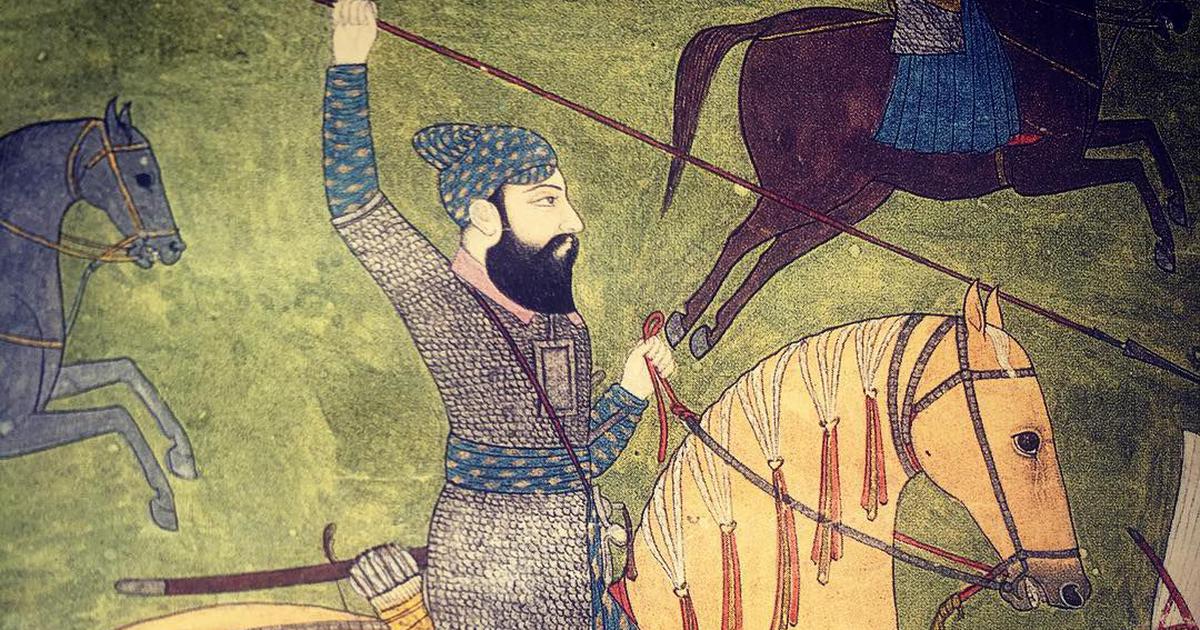
The rich tapestry of Sikh history is woven with valiant tales of resistance, bravery, and the unyielding spirit of its people. One of the most significant figures in this narrative is Banda Singh Bahadur, who not only founded the first Sikh empire but also played a crucial role in defending it against the Mughal onslaught. His legacy is a shining example of resilience and leadership during tumultuous times for the Sikh community.
In the mid-18th century, the Sikh community faced relentless attacks from external forces, particularly the Mughals. The Battle of Malerkotla stands as a grim testament to this struggle—an encounter that led to the loss of thousands of innocent lives, including women, children, and the elderly. This battle highlighted the brutal realities of resistance that the Sikhs offered against repeated invasions and their unwavering commitment to protect their faith and homeland.
Amidst this chaos, Banda Singh Bahadur emerged as a formidable leader. Following the significant raid on Sirhind in 1764, he sought to expand Sikh influence beyond Punjab. His endeavors included efforts to secure territories in the cis-Yamuna regions, where he aimed to collect tribute from areas like Meerut and the influential Nawabs of Awadh. One of his remarkable contributions was the redistribution of land to farmers, effectively dismantling the zamindari system. This not only restored dignity and self-respect to the common populace but also significantly reduced corruption, earning him immense popularity among the people.
However, Banda Singh Bahadur’s initial successes did not go unnoticed by the Mughal emperor Bahadur Shah. The emperor, alarmed by the rise of this Sikh leader, mobilized a vast military force to quell the uprising. This led to a series of intense confrontations, as Banda Singh Bahadur and his forces fought valiantly to defend their newfound sovereignty. Although he managed to evade capture initially, the relentless pursuit by the Mughal army ultimately led to a siege on his stronghold at Lohgarh. Despite the overwhelming odds, Banda Singh Bahadur’s efforts laid the groundwork for what would later develop into the Sikh Empire under the leadership of Maharaja Ranjit Singh in the early 19th century.
Banda Singh Bahadur’s legacy is not just in the territories he fought for but also in the ideals he championed. His vision of a just society, where land belonged to those who tilled it, resonated deeply within the hearts of the Sikh populace. His martyrdom became a rallying cry for future generations, inspiring them to rise against oppression and injustice.
As we reflect on the life and achievements of Banda Singh Bahadur, it becomes evident that his contributions to Sikh history are monumental. He not only laid the foundation for future Sikh governance but also ignited a spirit of unity and resilience that continues to thrive in modern Sikh culture. His story serves as a reminder that the struggle for justice and dignity is an enduring quest, one that continues to inspire millions across the globe, especially in India.