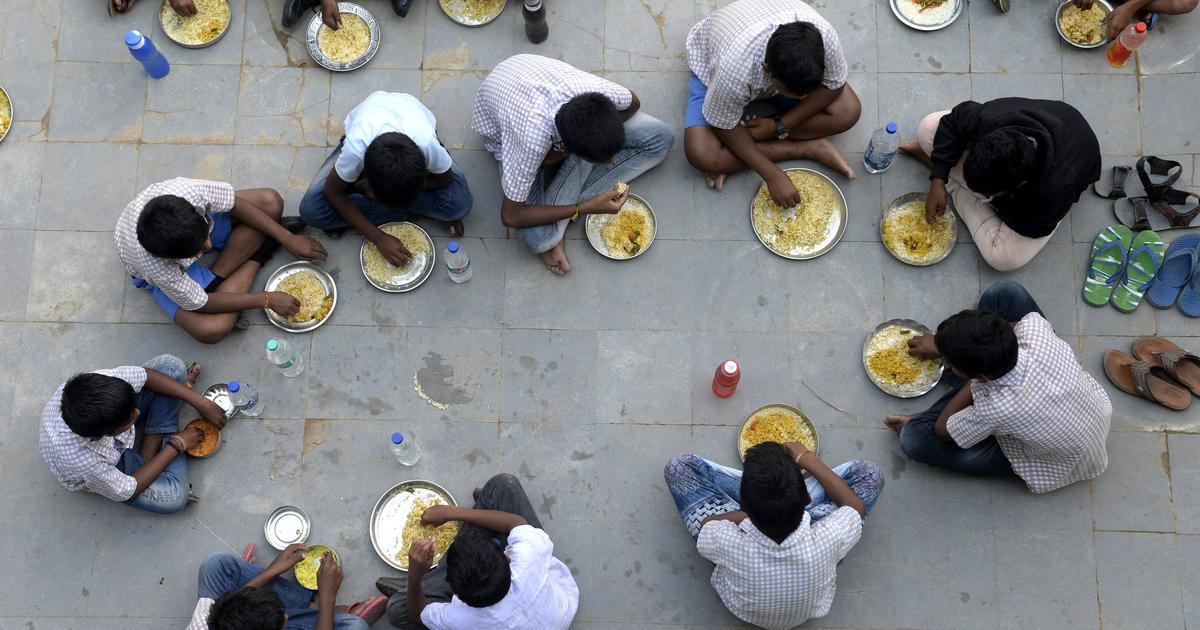
The West Bengal government has announced a significant shift in the mid-day meal scheme for government and aided schools in Kolkata. Effective immediately, eggs will be removed from the meal offerings, as the International Society for Krishna Consciousness (ISKCON) is set to take over the provision of cooked meals. This change reflects a broader initiative to ensure that the meals align with dietary preferences and religious beliefs.
According to Radharaman Das, a spokesperson for ISKCON in Kolkata, the revamped meals will feature a variety of nutritious vegetarian options, including paneer, rajma (kidney beans), soybeans, and other protein-rich pulses. He emphasized the importance of nutrition in children’s diets, stating, “We have empanelled dietitians to curate our menus. Our goal is to ensure that the nutrients typically obtained from eggs will be matched, if not exceeded, by the high-quality proteins and vitamins included in our meals.”
The transition will be implemented through ISKCON’s Annamitra Foundation, which is preparing to set up kitchens for the preparation and distribution of these meals. Das noted that they are currently awaiting a list of schools from the government to initiate the programme effectively. This strategic move by ISKCON aims to cater to a diverse student population, particularly those who abstain from consuming eggs due to vegetarian diets or religious convictions.
Historically, the mid-day meal scheme in West Bengal has included eggs served once a week, along with staples like rice, dal (lentils), and potato curry on the other days. In some instances, schools have supplemented meals with chicken or fish when additional funds were available. However, the new arrangement will offer a comprehensive vegetarian menu that meets nutritional standards while respecting the dietary choices of all students.
This development comes at a time when the significance of mid-day meals in India is being increasingly recognized, not only as a means to combat malnutrition but also as a platform to promote healthy eating habits among children. With the involvement of ISKCON, there is an expectation that the meals will not only be nutritious but also align with the values of dietary restraint observed by many families in the region.
The wider implications of this decision could see changes in how nutrition is perceived in school meal programmes across India. As more schools adopt similar practices, it may lead to a more significant shift towards vegetarian options, which align with the cultural and religious practices of many communities. This could ultimately pave the way for a national dialogue on dietary choices in education, nutrition standards, and the importance of accommodating diverse dietary needs in public health initiatives.