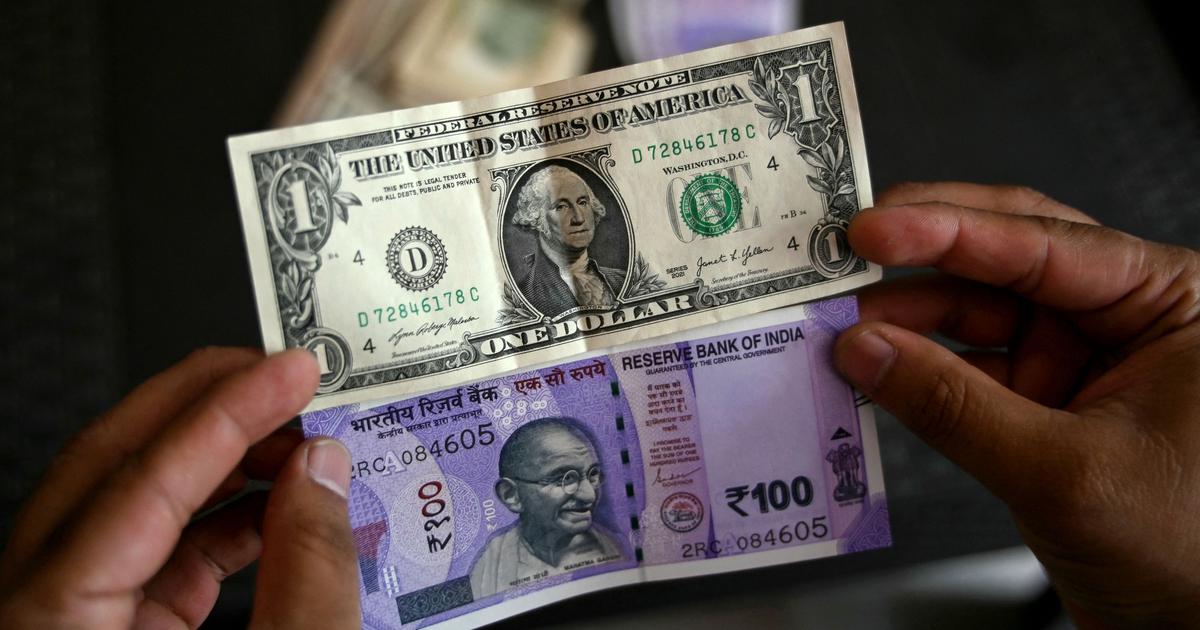
The phrase “The rupee is falling against the dollar” often floats around in financial discussions, but what does it truly mean for the average Indian citizen? The reality is that this depreciation can have significant repercussions on your everyday financial landscape, affecting everything from your grocery bills to your savings.
Every nation operates with its own currency, which plays a crucial role in international trade. When India imports goods from other countries, such as the United States, transactions are conducted in the respective foreign currency—in this case, the US dollar. To illustrate, consider the current conversion rate: if 1 US dollar equals Rs 75 today but increases to Rs 80 next month, this indicates a decline in the rupee’s value. This depreciation means it now costs more rupees to purchase the same product. The additional Rs 5 that you need to spend comes directly from your budget, impacting your financial well-being.
As the rupee weakens against the dollar, the expense of imported goods escalates. India relies on many critical imports, including crude oil, electronic gadgets, and even essential food items like cooking oil. Consequently, when the rupee loses value, the prices of these goods inevitably rise, putting a strain on household budgets. Families may find themselves paying significantly more for their regular purchases, which can lead to adjustments in spending habits and saving strategies.
Moreover, this depreciation can affect inflation rates, as higher import costs generally translate to increased prices for consumers. For example, if imported oil prices rise, transportation costs will also surge, leading to more expensive goods overall. Thus, the average consumer will feel the pinch not only at the gas pump but also when shopping for groceries or electronics.
In addition to immediate expenses, a weakening rupee can also impact long-term financial planning. If you are an investor or planning to travel abroad, your purchasing power diminishes when the rupee depreciates. For those with savings invested in foreign markets, fluctuations in currency value can affect the overall return on investment. This situation highlights the importance of understanding currency trends and their broader implications on personal finances.
In conclusion, the depreciation of the rupee is not a mere economic statistic; it holds real-world consequences for individuals and families across India. By keeping an eye on currency trends and adjusting financial habits accordingly, you can mitigate some of the negative impacts of a weakening rupee. It’s essential to stay informed and make strategic decisions to protect your personal savings and financial stability in these changing economic times.