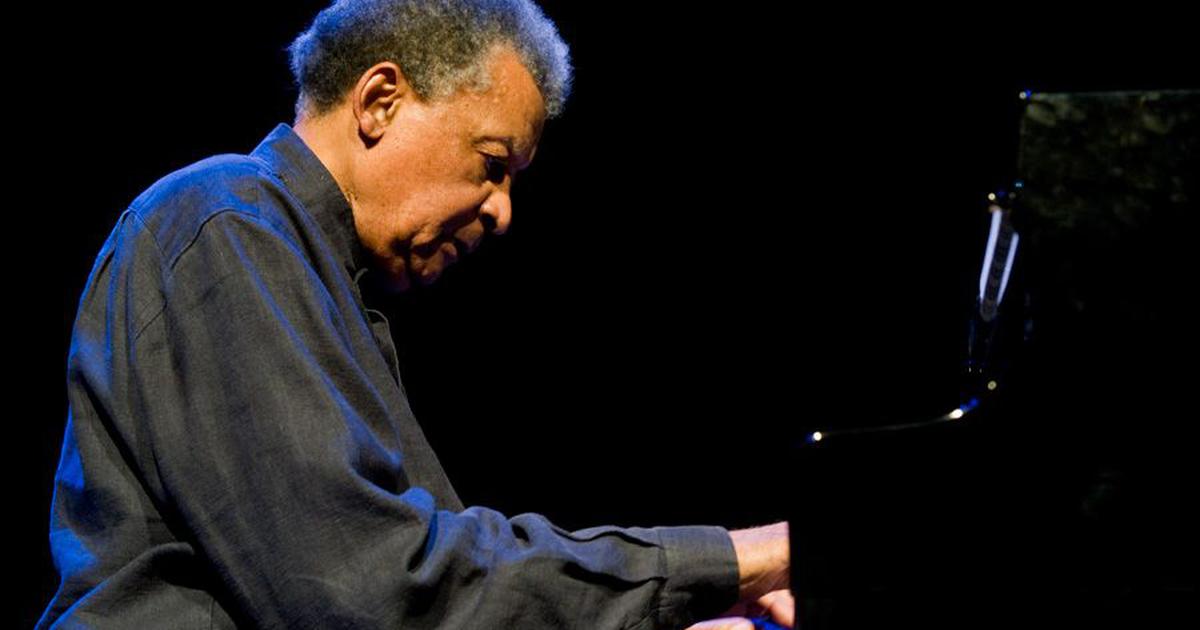
Abdullah Ibrahim, a name synonymous with the spirit of jazz and the struggle against apartheid, was born Adolph Johannes Brand on October 9, 1934, in Cape Town, South Africa. His journey from the vibrant streets of District Six to international acclaim symbolizes not only his musical prowess but also the resilience of a community faced with systemic oppression. Renowned for his ability to blend diverse musical influences, Ibrahim’s contributions extend beyond mere entertainment—he became a powerful voice for resistance, capturing the essence of South Africa’s tumultuous history.
Growing up in District Six, a melting pot of cultures and backgrounds, Ibrahim was immersed in a rich tapestry of music and art from an early age. This neighborhood, known for its vibrant community life, was tragically declared a “white area” under apartheid policies, leading to the forced removal of its residents in 1982. The creative environment of District Six played a pivotal role in shaping Ibrahim’s artistic identity; he began to explore music at the tender age of seven, mastering the piano amidst the cultural upheaval surrounding him.
Initially emerging onto the jazz scene in the mid-1950s under the moniker Dollar Brand, Ibrahim quickly made a name for himself with his bebop-inspired compositions. His transition to Abdullah Ibrahim came in 1968, following his conversion to Islam, which infused his work with a new level of spiritual depth. This transformation not only reflected his personal beliefs but also resonated with audiences, offering a profound connection between his music and the struggles faced by his people.
Throughout his illustrious career, Ibrahim released over 70 albums, earning numerous accolades that celebrated his unique sound and cultural contributions. His music, often steeped in themes of resilience and hope, has been the subject of several documentary films, including “A Brother with Perfect Timing” (1987) and “A Struggle for Love” (2005), which delve into his life and artistic philosophy. These works highlight not just his musical genius but also his role as a public intellectual who used his platform to advocate for justice and equality.
For many, Ibrahim represents the indomitable spirit of South Africa. His melodies serve as a reminder of the fight against apartheid, encapsulating the pain and triumph of a nation. As a political scientist who has studied the cultural landscape of southern Africa, I view Ibrahim’s work as a powerful commentary on society, reflecting his unique worldview shaped by both personal experiences and a deep commitment to social justice. Even beyond South Africa, his influence has reached global audiences, inspiring countless artists and activists to embrace their roots and fight for their rights.