




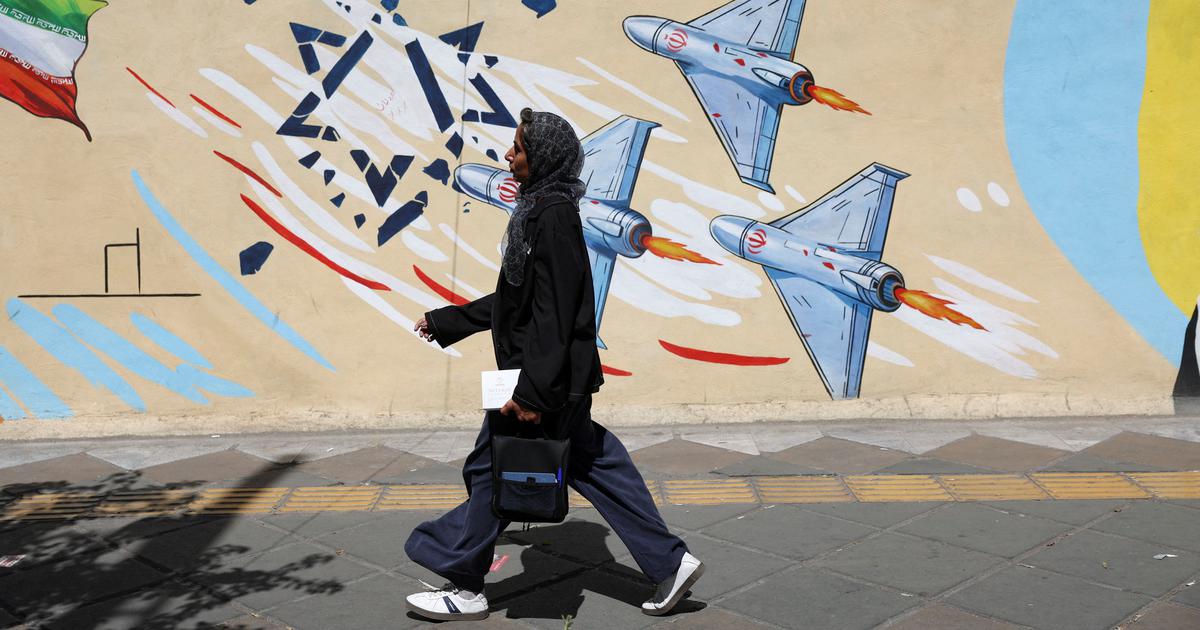
After extensive negotiations that fluctuated between optimism and uncertainty, US President Donald Trump has reportedly reached a tentative agreement with Iran to halt the ongoing conflict that has disrupted both regional stability and global energy markets since late February. The specifics of this agreement, which is anticipated to be formalized soon, remain a topic of contention, but its implications are already sending ripples across the Middle East.
The conflict was initially instigated by Trump’s administration, following strong encouragement from Israeli Prime Minister Benjamin Netanyahu, with the stated objective of dismantling the Iranian regime and compelling Tehran to comply with US demands. However, despite significant military efforts, the US did not achieve its goals, facing a staunch defensive stance from Iran, which showcased its resilience and strategic depth.
Under mounting pressure both domestically and on the global front, Trump seems to have pivoted towards a diplomatic approach, recognizing the necessity to conclude the conflict swiftly. The recent announcement of a “memorandum of understanding” between Washington and Tehran signifies this shift in strategy and reflects a broader acceptance of the realities on the ground.
This agreement, however, poses several challenges for the United States and its allies, particularly Israel. Analysts suggest that the outcome could fortify Iran’s regional influence, simultaneously diminishing the leverage the US has had in the Middle East. In light of this development, Gulf Cooperation Council (GCC) states may be compelled to reevaluate their security partnerships with the US, potentially leading to a recalibration of their relationships with Iran.
The evolving geopolitical landscape is particularly significant for India, which has historically maintained a delicate balance in its relations with both the US and Iran. With India being a major consumer of Iranian oil, the shifting dynamics could have profound implications for its energy security and foreign policy strategy. Indian policymakers will need to navigate these complexities, ensuring that India’s interests are safeguarded amid the changing allegiances and power structures in the region.

