In a significant electoral shift, the recent assembly elections in West Bengal witnessed a remarkable triumph for the Bharatiya Janata Party (BJP), which captured an astonishing 70% of the seats. This seismic change followed a controversial process known as Special Intensive Revision (SIR), during which over nine million names were expunged from the state’s electoral rolls between November and February. The implications of these deletions on the electoral landscape are profound and merit thorough examination.
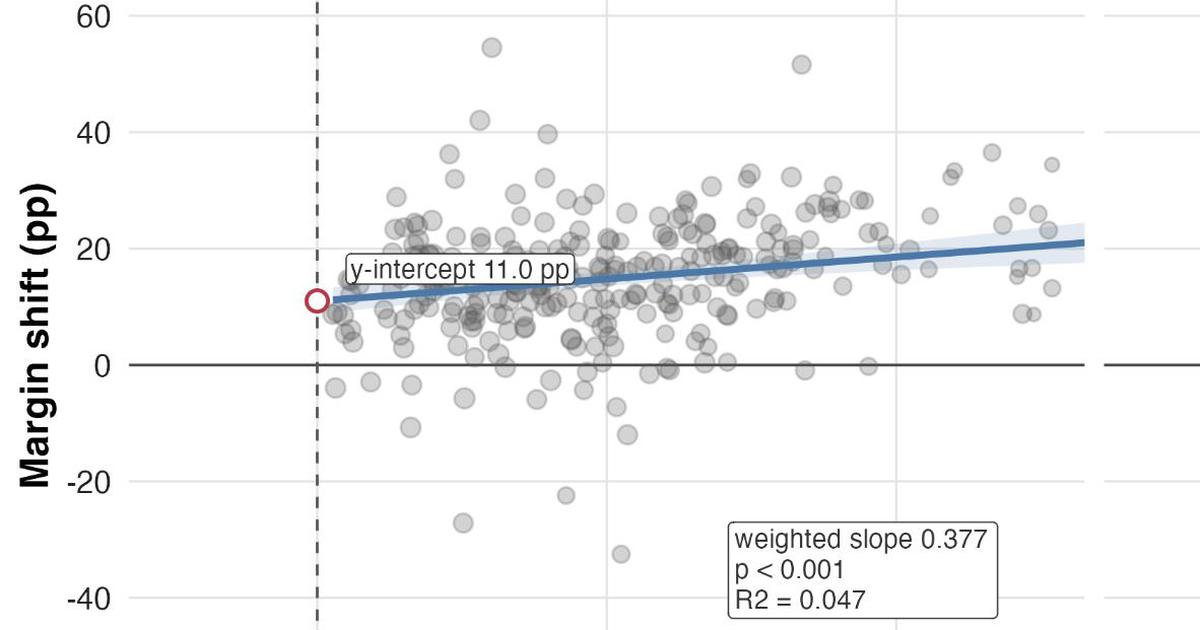
The SIR initiative, implemented by the Election Commission of India, aimed at streamlining the voter list, but its timing and execution have raised eyebrows among political analysts. As the BJP soared to victory on May 4, researchers have turned to data analysis to investigate the correlation between the deletions and the party’s electoral success. Early findings suggest a compelling link: constituencies that experienced a more substantial reduction in registered voters saw the BJP outperform its primary rival, the Trinamool Congress (TMC).
This trend highlights an intriguing aspect of electoral dynamics in Bengal, as it contrasts sharply with a similar electoral scenario in Bihar, where a comparable voter roll revision did not yield a similar advantage for the ruling party. The difference in outcomes leads to further questions about the strategies utilized by political parties in engaging with the electorate and the potential impact of structural changes in voter registration on election results.
The methodology employed in this analysis departs from conventional approaches that typically focus on comparing the number of removed voters with the ultimate victory margins. Instead, this study examines the relationship between the voter deletions during the SIR process and the comparative performance of the BJP and the TMC. By doing so, it aims to unveil the underlying mechanisms through which voter rolls can shape electoral outcomes more broadly.
As the dust settles on the elections, the implications of the SIR process invite further scrutiny into the integrity of the electoral framework in India. With social and political ramifications echoing through the state, the ongoing debates surrounding electoral reforms and voter representation are likely to intensify. The BJP’s sweeping win raises critical questions about the future of democracy in West Bengal and the potential influence of administrative decisions on the political landscape.