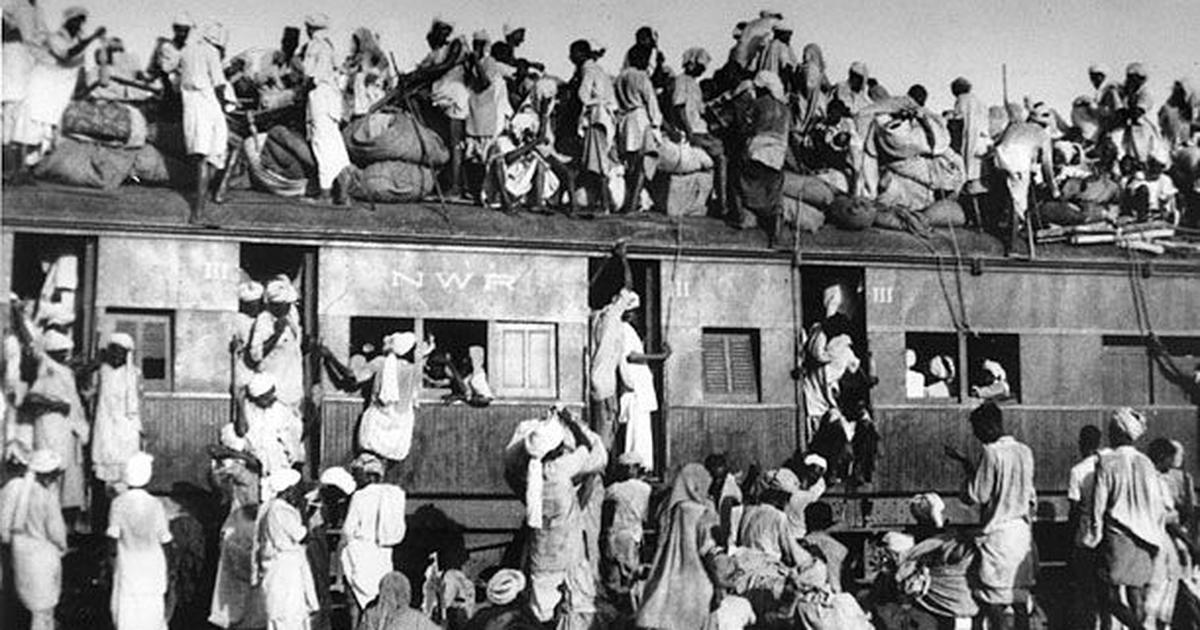
On October 8, 1947, a train stood ready to depart Rawalpindi, a city caught in the throes of tumultuous change as India grappled with the aftermath of Partition. For many, this train symbolized hope and escape—a chance for a new beginning. Among the passengers was a professor from Calcutta, traveling with his young son, both yearning to leave behind the chaos that had engulfed their lives.
The atmosphere within the compartment was tinged with apprehension. As they settled in, wrapping themselves in warm clothing to fend off the chill, an unexpected confrontation shattered the fragile calm. An irate Englishman, identified later as Colonel Colson of the Dogra Regiment, intrusively eyed the passengers through the window, demanding to know who had authorized their presence on the Military Special train.
His belligerence was alarming. While most of the dozen or so occupants complied quietly with his orders to disembark, the situation escalated when he turned his ire towards a family in the adjacent compartment. In a fit of rage, he violently hurled a small trunk out of the train, which tragically struck a little girl on the head. The sight of blood streaming down her face incited outrage among bystanders and even the soldiers of the Dogra Regiment stationed nearby. In an instant, the Colonel vanished, leaving behind a scene of chaos and confusion.
This incident serves as a microcosm of the violence and tension that characterized the Partition of India. The division of the subcontinent into India and Pakistan was fraught with communal strife, uprooting millions and leaving a deep scar on the collective psyche of the nation. The professor’s account not only highlights the personal anguish experienced by many during this turbulent period but also sheds light on the broader sociopolitical implications of the Partition.
As families were torn apart and communities shattered, many sought refuge in trains like the one the professor boarded, hoping to flee the violence. However, for thousands, including the professor and his son, the journey was fraught with uncertainty and danger. The harsh realities of the time are often lost in the sweeping narratives of history, yet personal stories like this one remind us of the human cost of political upheaval. The professor’s experience encapsulates the fears and struggles faced by countless individuals as they navigated the chaos of a nation in crisis.