Elon Musk Becomes World’s First Trillionaire: What It Means for Wealth Concentration and Democracy
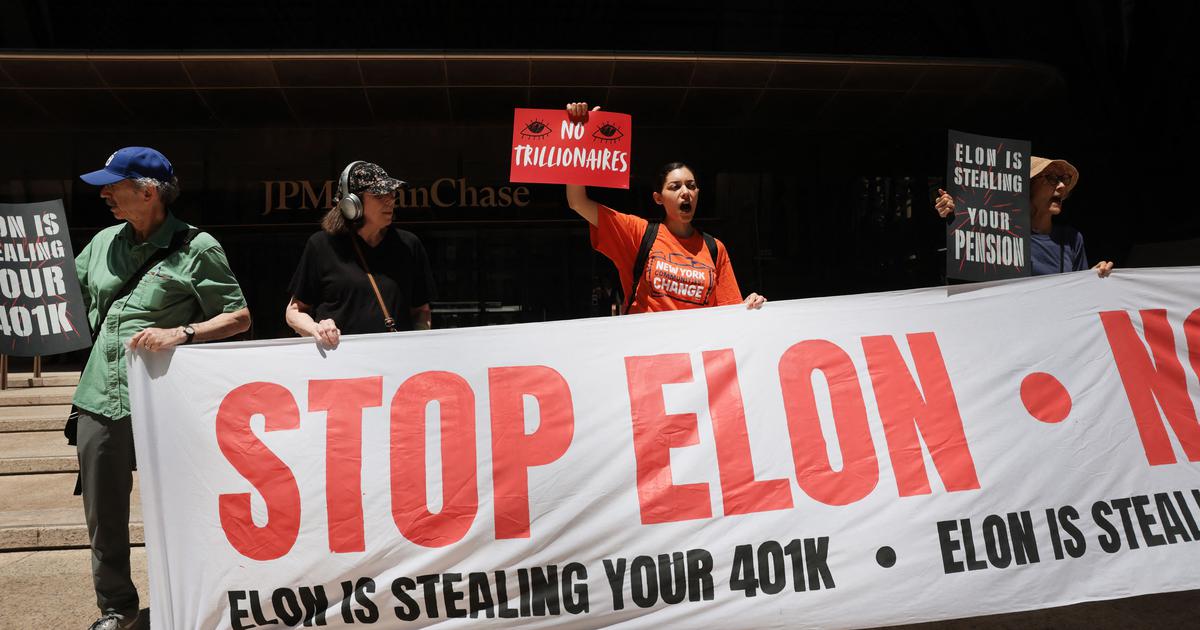
In a landmark moment for global finance, Elon Musk has officially achieved the status of the world’s first trillionaire. The billionaire entrepreneur’s aerospace venture, SpaceX, raised a staggering $75 billion during its recent initial public offering, boosting Musk’s stake to an estimated $866 billion. According to Bloomberg, his total net worth is now around $1.1 trillion, a sum that rivals the annual economic output of entire nations, including Switzerland.
This unprecedented wealth raises profound questions about the implications of such extreme financial concentration. With Musk’s fortune surpassing the GDP of numerous countries with populations in the millions, one must reflect on the societal ramifications of one individual holding such vast resources. In a world grappling with escalating challenges—climate change, food insecurity, and geopolitical tensions—is it appropriate for a single person to possess such enormous wealth? More importantly, what does this mean for the principle of democracy?
As we observe Musk’s rise, we are compelled to consider the responsibilities that come with such wealth. Should billionaires like him exist in a world where governments struggle to address critical issues? The conversation shifts from whether Musk deserves his fortune to what ethical obligations he, and others like him, have to society. The emergence of a trillionaire prompts a vital inquiry: at what point does the extreme concentration of wealth become a threat to democratic values and societal equity?
The current global landscape is marked by what many analysts refer to as a “polycrisis.” This term encapsulates the convergence of multiple crises that have emerged since World War II, with ongoing conflicts proliferating across the globe. Climate change continues to wreak havoc on ecosystems and communities, while food insecurity has reached alarming levels. These challenges disproportionately affect the lower and middle classes, who struggle to make ends meet amid rising costs and stagnant wages.
The connection between the increasing wealth at the top and the mounting hardships faced by the majority of the population cannot be ignored. Are these trends simply parallel phenomena, or is there a deeper, interconnected relationship at play? As billionaires amass wealth, does the gap widen in a way that undermines democratic governance? The disparity in resources influences political power, often leading to a system where the voices of the affluent drown out those of the disadvantaged.
In India, where economic inequality remains a pressing concern, Musk’s ascension to trillionaire status serves as a poignant reminder of the challenges faced by millions. The debate surrounding wealth concentration is not just an abstract notion; it has tangible implications for social justice and equity. As we consider the implications of Musk’s extraordinary wealth, it is vital for Indian citizens and policymakers to engage in a constructive dialogue about the role of billionaires in our society and the responsibilities they bear toward the community at large.