




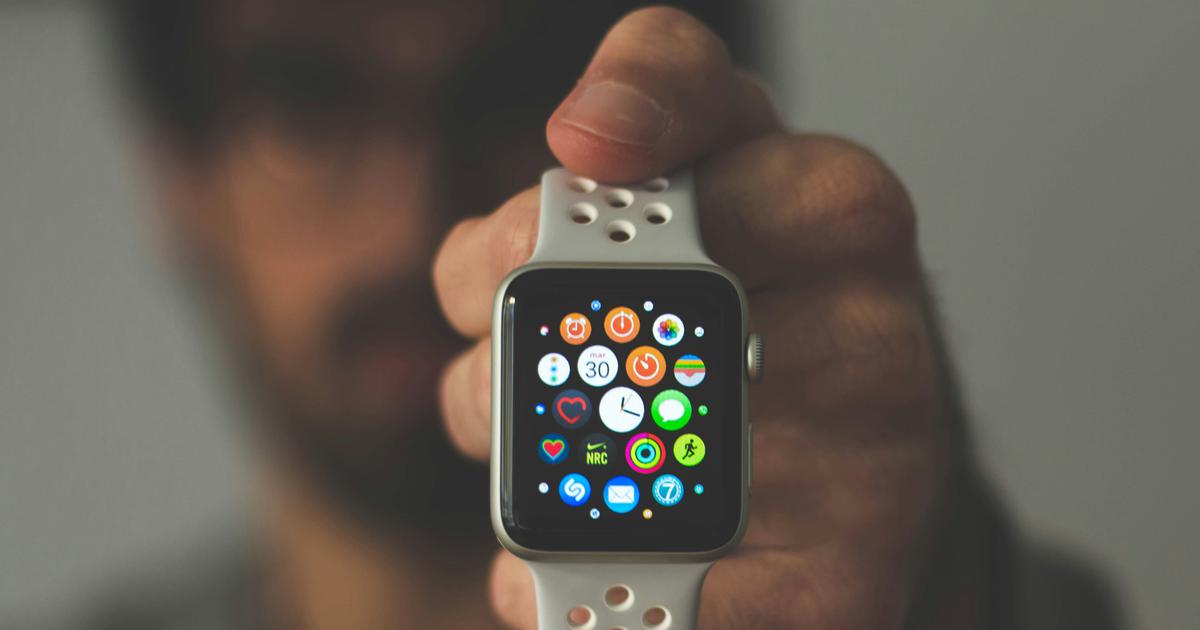
The rise of wearable technology, particularly smartwatches and fitness trackers, has revolutionized how millions of Indians monitor their health and fitness. These devices provide real-time insights into physical activity, sleep patterns, and heart rates, empowering users to take charge of their well-being. However, a growing number of users are reporting a paradoxical effect: increased anxiety related to the data these devices provide.
Recently, I attended a public seminar where I conversed with an outdoor enthusiast who shared a startling experience. After completing a strenuous hike, he felt a rush of accomplishment and well-being. But his joy quickly turned to panic when he checked his smartwatch, which displayed a heart rate of 130 beats per minute. It took him half an hour to realize the reading was likely influenced by the altitude rather than an alarming health issue. This incident highlights how a simple data readout can transform a positive experience into a distressing one.
This isn’t an isolated incident. Many individuals find that their wearables inadvertently heighten their anxiety levels, leading some to abandon these devices altogether. The crux of the issue lies in the gap between expectation and reality. Our brains are adept at predicting outcomes based on past experiences; however, when the data from these devices contradicts our expectations, it can create unnecessary stress.
In India, where the culture increasingly embraces wellness and fitness trends, the popularity of fitness trackers has surged. Yet, as more people integrate these gadgets into their daily routines, it’s essential to recognize that they can skew our perceptions of health. For instance, a person may feel perfectly fine, only to be alarmed by a high heart rate reading from their smartwatch, leading to anxiety over their well-being.
The science behind our reactions is fascinating. Our brains function as prediction machines, continuously comparing sensory information with established mental models. This allows for quick interpretation of our surroundings, typically leading to accurate assessments. However, when the feedback from a device contradicts our self-assessment—such as feeling fit yet receiving a warning signal from a smartwatch—cognitive dissonance can ensue, resulting in heightened anxiety and confusion.
As we navigate this terrain, it’s crucial to approach wearable technology with a balanced mindset. Understanding that while these devices can offer valuable insights into our health, they should not dictate our emotional responses. Users are encouraged to contextualize data from wearables, using them as one of many tools in their health toolkit rather than a definitive measure of well-being.
In conclusion, as the digital wellness movement continues to grow in India, awareness of the psychological impacts of wearable technology must keep pace. While smartwatches and fitness trackers can enhance our understanding of health and fitness, it’s vital to remain mindful of how they can also influence our mental well-being. Striking this balance will be key to reaping the benefits of these innovations without falling prey to unnecessary anxiety.

