In the blistering heat of Delhi, where temperatures can soar above 43 degrees Celsius, the plight of low-income women like Parveena Khatun has come to the forefront. At 45 years old, Parveena has operated a tea stall on Baba Gangnath Marg in the Munirka area. However, a significant shortage of cooking gas cylinders has forced her to adapt her methods in order to survive financially.
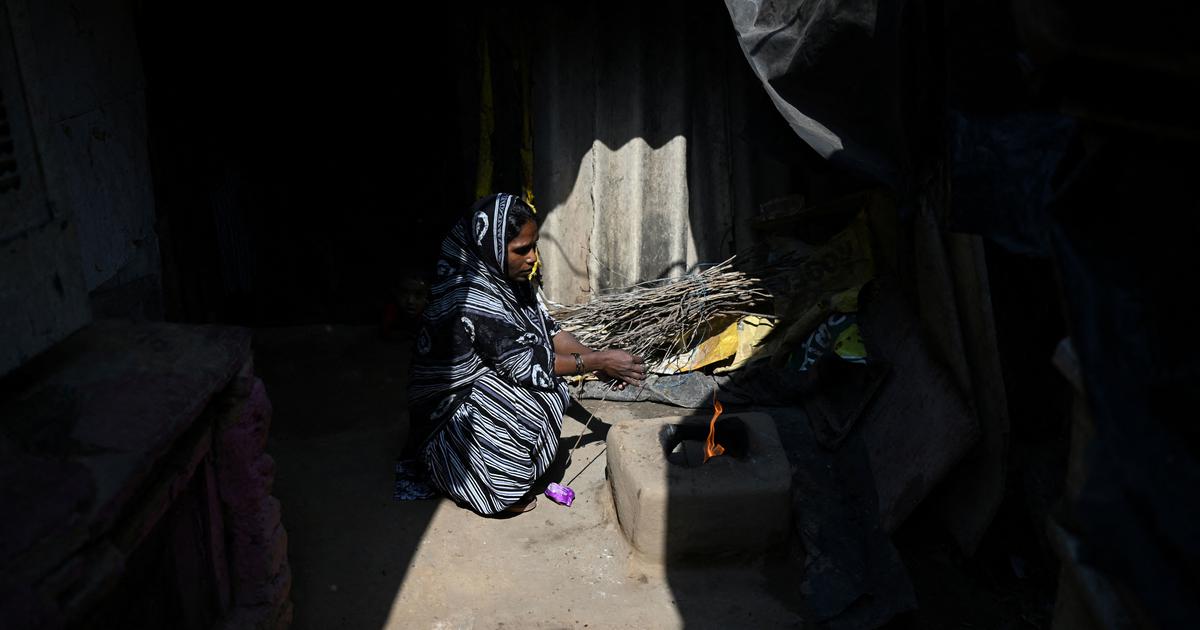
When gas supplies dwindled in March, Parveena was compelled to shut down her stall for a week, leading to unbearable financial strain. The inability to cook using modern amenities pushed her to construct a traditional brick stove, locally known as a ‘chulha.’ With coal and firewood as her new fuel sources, she rekindled her business, but the consequences of this choice are severe.
Operating a chulha in Delhi’s scorching summer is no small feat. The extreme heat generated around the stove creates an unbearable environment, leaving Parveena struggling with thermal discomfort and heat stress. After long hours of work, she often finds herself gasping for air. Burn marks on her hands serve as a stark reminder of her unfamiliarity with traditional cooking methods, a skill she never needed until now.
Reflecting on her struggles, Parveena shared, “Just yesterday afternoon, the heat was so overwhelming that the combination of smoke and high temperatures made me feel dizzy. I had to sit under a tree and splash cold water on myself to regain my composure. My body felt restless.” Her experience is not isolated; it mirrors the challenges faced by countless women in similar circumstances throughout the city.
The situation has been exacerbated by government policies. The Commission for Air Quality Management had issued an order on March 13, 2026, allowing the temporary use of diesel and biomass, including wood and dung cakes, as cooking fuel in the National Capital Region (NCR). This policy, originally set to expire in May 2026, has raised concerns among environmentalists and public health experts, especially considering the impact of air pollution on health.
The switch back to traditional cooking methods highlights a broader issue of accessibility and the socio-economic divide in urban India. While many affluent households enjoy the convenience of gas stoves, those from lower-income backgrounds are often left with no choice but to return to methods that pose significant health risks. As temperatures rise, the urgent need for sustainable solutions to ensure clean cooking fuel for all becomes ever more critical.