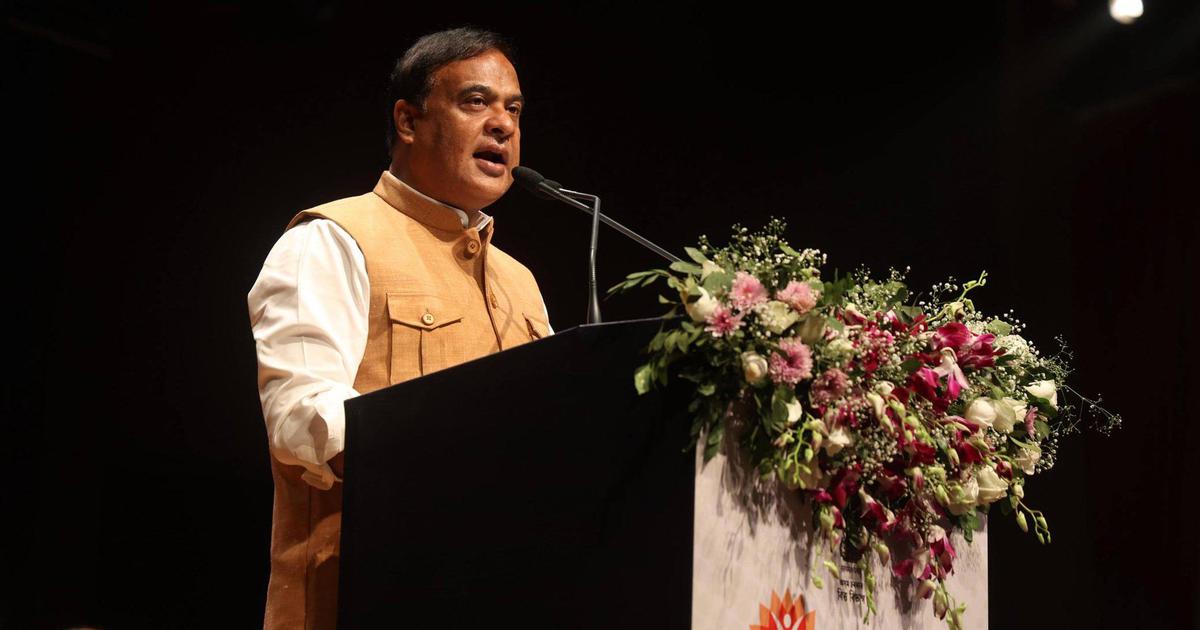
The Assam government, led by the Bharatiya Janata Party (BJP), is set to introduce the highly anticipated Uniform Civil Code (UCC) bill in the state Assembly on May 26. Chief Minister Himanta Biswa Sarma announced this decision following the first Cabinet meeting of his second term, bringing renewed focus to a topic that has long been a part of the BJP’s political agenda.
The UCC aims to establish a unified set of laws governing personal matters such as marriage, divorce, succession, and adoption, applicable to all citizens of India, irrespective of their religious backgrounds. Currently, personal laws in India are governed by community-specific regulations rooted in various religious scripts. With this new legislation, the Assam government hopes to streamline these laws, ensuring equality and uniformity across different communities.
In a notable declaration, CM Sarma stated that the tribal communities in Assam would be exempt from the UCC, acknowledging the unique customs and traditions of these groups. This decision reflects a sensitive approach to the diverse cultural landscape of Assam, where various ethnic and indigenous communities coexist. Furthermore, Sarma emphasized that the bill would also respect and uphold the rituals and traditions that are intrinsic to the people of Assam, thereby ensuring that the new legislation does not disrupt existing cultural practices.
The UCC is expected to address critical aspects of personal law, including marriage and divorce registration, live-in relationships, and succession rights. By mandating compulsory registration of marriages and divorces, the government seeks to promote legal clarity and protect the rights of individuals within these relationships. This move is seen as a step towards modernizing personal laws and providing a more equitable framework for all citizens.
Historically, the implementation of a Uniform Civil Code has been a significant part of the BJP’s broader political strategy, aimed at promoting national unity and reducing disparities between various religious communities. Following the party’s success in Uttarakhand, where it became the first state in post-independence India to implement the UCC in January 2025, there has been a momentum shift regarding this legislation in other BJP-ruled states. Recently, Gujarat also passed similar legislation amidst public protests, highlighting the contentious nature of this issue at the grassroots level.
Public reaction to the UCC has been varied, with supporters arguing that it will lead to greater equality and modernization of personal laws, while critics raise concerns about the potential erosion of religious and cultural identities. The upcoming Assembly session in Assam will be crucial, as it marks a significant step in the ongoing debate over the UCC and its implications for the diverse populace of the state.