Banibrata Mahanta Honored with 2025 Muse India Translation Award for His Rendition of ‘Lavanyadevi’
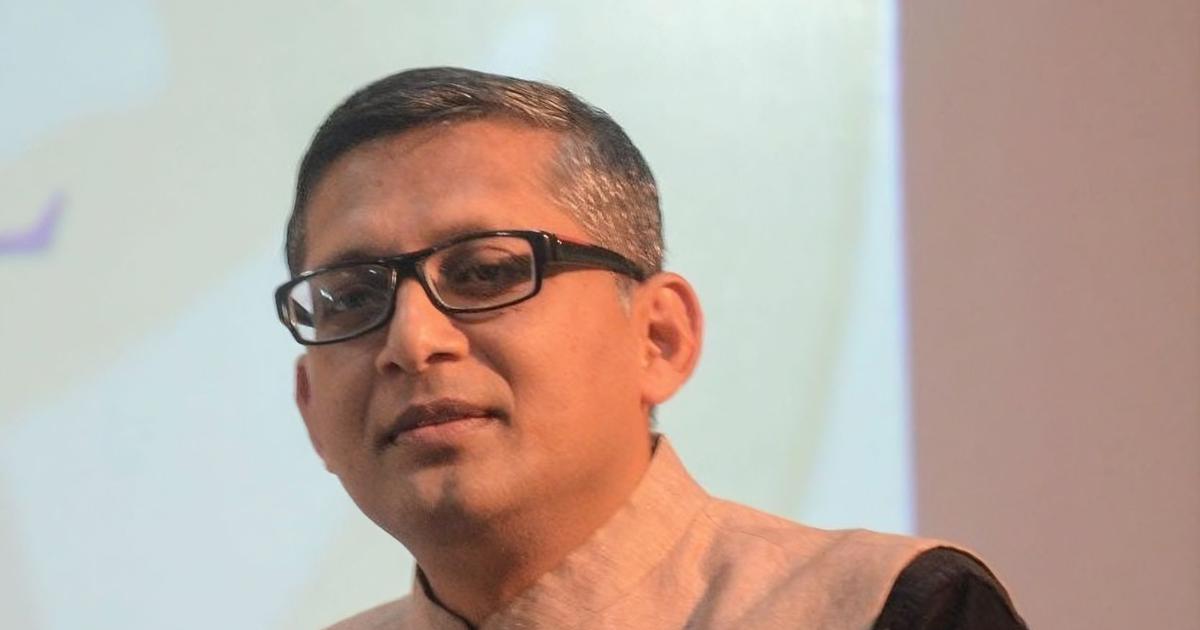
In a remarkable achievement that celebrates the art of translation, Banibrata Mahanta has been awarded the prestigious 2025 Muse India Translation Award for his exquisite translation of Kusum Khemani’s Hindi novel, Lavanyadevi. This accolade not only recognizes Mahanta’s talent but also underscores the significance of literary translation in bridging linguistic divides and promoting cultural exchange in India.
The Muse India Translation Award has become a beacon for translators across the nation, emphasizing the importance of bringing diverse literary works to a broader audience. This year, Mahanta’s translation stood out among an impressive 103 submissions representing 18 different Indian languages, highlighting the depth and richness of India’s literary landscape. Along with the honor, Mahanta will receive a cash prize of ₹25,000, further encouraging the pursuit of excellence in translation.
Translation is an art form that requires not only linguistic skill but also deep cultural understanding. Mahanta’s work on Lavanyadevi exemplifies this, as he deftly captures the nuances of Khemani’s original prose while making it accessible to readers unfamiliar with Hindi. By translating such works, Mahanta plays a vital role in promoting regional literature and fostering an appreciation for diverse narratives across the country.
In addition to Mahanta’s recognition, several other talented translators received commendation certificates for their outstanding contributions. Notable mentions include V Ramaswamy for his translation of Adhir Biswas’s The Last Bench from Bengali, Vidya Pai for The Bitter Fruit Tree and Other Stories by Prakash Parienkar from Konkani, Navdeep Suri for A Game of Fire by Nanak Singh from Punjabi, and Malini Seshadri for Kurinji Malar by Na Parthasarathy from Tamil. These commendations reflect the vibrant translation community in India, where each work serves as a testament to the translators’ dedication and passion.
The judging panel for this year’s award was comprised of esteemed literary figures, chaired by Professors Sachidananda Mohanty and Sukrita Paul Kumar. Their expertise and discerning eye for quality undoubtedly contributed to the selection process, ensuring that the award recognized exceptional talent in translation.
As literature continues to evolve in India, the importance of translation will only grow. Mahanta’s achievement reminds us of the power of words to transcend boundaries, cultures, and languages, bringing together readers from diverse backgrounds. His success, along with those of his fellow translators, reaffirms the essential role of literary translation in enriching the Indian literary canon.