West Bengal Elections: Over 27 Lakh Muslim Voters Disenfranchised, Impact on Political Landscape
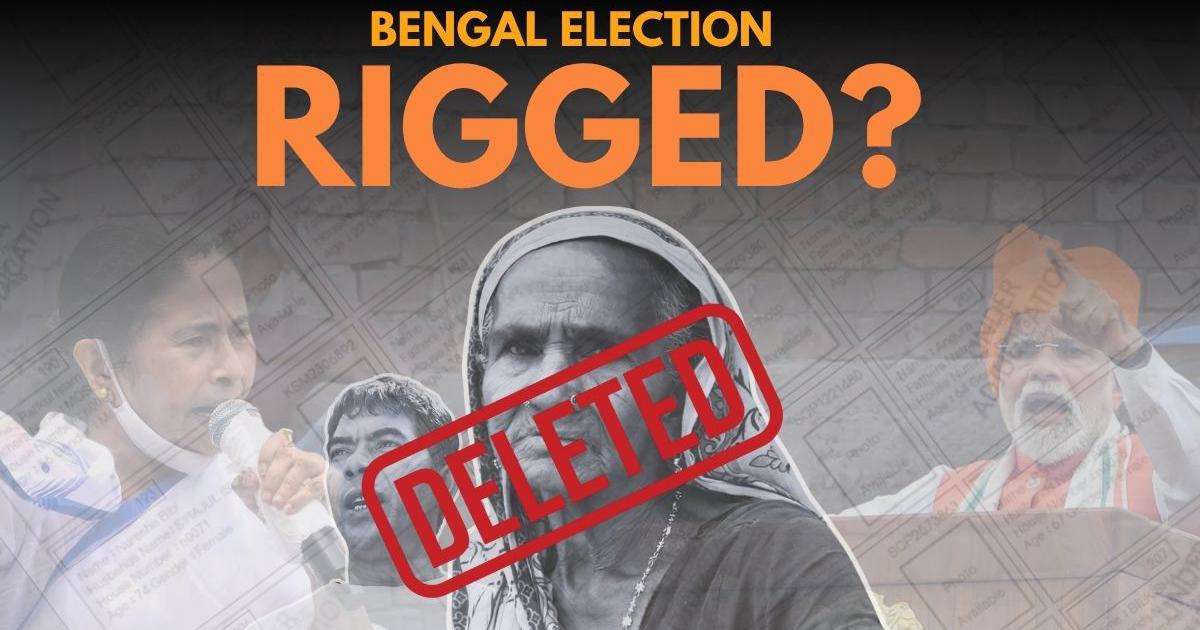
As West Bengal gears up for its upcoming elections, a shocking development has come to light: over 27 lakh voters have been stripped of their voting rights. Among those affected are numerous individuals who participated in the last electoral process but have mysteriously found themselves removed from the electoral rolls. This disenfranchisement has sparked a wave of concern and frustration, especially among the Muslim community, which seems to bear the brunt of this electoral anomaly.
According to analysts, this significant loss of voters could have far-reaching implications for the political dynamics in the state. The deletions have raised eyebrows, particularly since many of those affected attended hearings and presented the necessary documentation during an intensive revision period aimed at updating the electoral rolls. The situation poses critical questions about the integrity of the electoral process and how such systematic exclusions can be justified.
To gauge the sentiments of those impacted, a team from Scroll traveled through Malda and Murshidabad, interacting with disenfranchised voters and local political figures. The reactions have been mixed, with many expressing disbelief and anger at their exclusion. One resident of Malda lamented, “I have voted in every election since I turned 18, yet here I am, unable to exercise my right this time. It feels like my voice has been silenced.” Such sentiments echo throughout the community, fueling fears that their political representation may be diminished.
Political analysts suggest that this disenfranchisement may inadvertently shift the voting landscape in favor of certain political parties. With Muslim voters historically leaning towards parties like the Trinamool Congress, the loss of such a significant voting bloc could boost rival factions, particularly the Bharatiya Janata Party (BJP), which has been making inroads in the region. The intricate interplay of these political strategies highlights the complexities of communal voting patterns in West Bengal.
As the elections draw nearer, the question looms larger: how will political parties respond to the plight of these disenfranchised voters? Will they attempt to rectify the situation, or will they capitalize on the vacuum created by the absence of this sizeable voting demographic? The outcomes of these elections could potentially reshape West Bengal’s political landscape for years to come, underscoring the need for vigilance and equitable treatment in the electoral process.