Maharashtra Government Suspends Controversial Iron Mining Project Near Tadoba Tiger Reserve
In a significant move amidst escalating protests from environmentalists and local communities, the Maharashtra government has decided to temporarily suspend operations on the contentious Lohardongri iron ore mining project. Located in the Bramhapuri forest division of the Chandrapur district, this decision comes after weeks of hunger strikes and public demonstrations against the potential ecological impact of the project.
The Nagpur-based Sunflag Iron and Steel Company Ltd was granted approximately 36 hectares of forest land under the Mineral (Auction) Rules, 2015. However, the project has raised alarms over the estimated felling of around 18,000 trees, a claim that local environmental groups are contesting. Although direct access to official documents has been challenging, a publicly available survey from 2022 indicates that over 11,773 trees are at risk of being cut down. Experts fear that the situation has worsened, further increasing the tally of trees that could be lost in this deforestation endeavor.
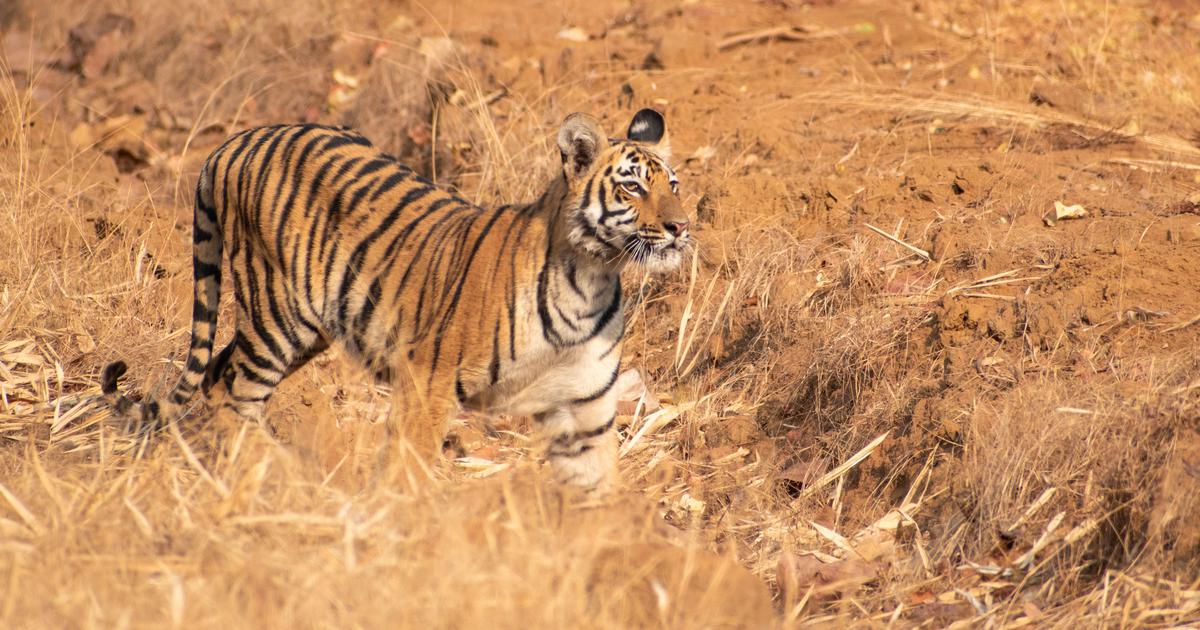
One of the primary concerns for local residents stretches beyond the immediate destruction of forest land; it revolves around the ecological ramifications of the mining project, particularly concerning the local tiger population. Chandrapur district has recently been dubbed the epicenter for escalating human-tiger interactions, which have tragically led to fatalities in the region. According to reports, there were 111 human deaths due to tiger attacks recorded between 2022 and 2023, with an alarming 59 fatalities already noted in the current year. These statistics underscore the dire need for conservation efforts in an area that is already under significant stress from human encroachment and habitat loss.
The looming threat of increased encounters with tigers serves as a stark reminder of the delicate balance that must be maintained between development and conservation. As the mining project risks further infringing on the habitats of these majestic creatures, activists have called for a thorough assessment of the potential consequences. Many argue that any economic benefits touted by the mining project must be weighed against the irreversible damage it could inflict on both the environment and local communities.
Given the situation, the Maharashtra government is under pressure to reconsider its stance on such projects in ecologically sensitive areas. The decision to pause the Lohardongri project offers a glimmer of hope for wildlife conservationists and local residents alike, who have been vocal about their concerns. As discussions continue, the future of the project remains uncertain, but one thing is clear: the balance between ecological preservation and industrial growth must be prioritized to ensure the safety of both humans and wildlife in the region.