BJP’s Strategic Use of Bangladesh Narrative Transforms Bengal’s Political Landscape in 2026 Elections
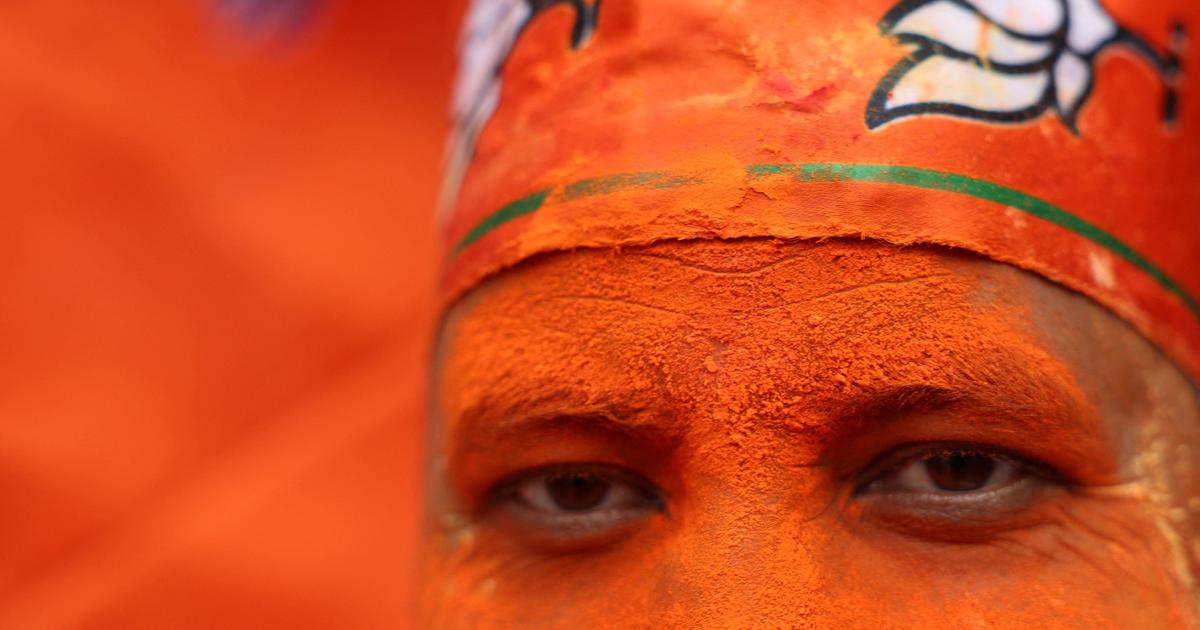
The 2026 elections in West Bengal will be etched in history not only as the turning point where the Bharatiya Janata Party (BJP) dethroned the Trinamool Congress (TMC) after 15 years of rule but also as a pivotal moment that intensified the longstanding border issues with Bangladesh into the heart of the state’s political discourse. The results from the Election Commission of India, which released figures for 293 out of 294 seats, revealed a staggering victory for the BJP with 207 seats compared to the TMC’s 80, while the Falta constituency awaits a repoll.
This sweeping victory cannot be attributed to a single cause. The TMC encountered significant anti-incumbency sentiments and faced a barrage of corruption allegations against its leaders. Furthermore, concerns over women’s safety under TMC governance added to the party’s woes. On the other hand, the BJP leveraged its robust organizational structure and extensive outreach strategies to capture the electorate’s attention.
What set the BJP’s campaign apart was the strategic invocation of the Bangladesh narrative, which resonated deeply with the electorate. By framing discontent through the lens of civilizational security, the party effectively transformed the political landscape. Bangladesh became more than just a neighboring country in the public consciousness; it served as a reflective mirror challenging the identity of West Bengal itself. The electorate was urged to consider fundamental questions: Are we Hindu or Muslim? Refugees or infiltrators? Borderland or a cohesive nation? Bengali or anti-national?
This nuanced ideological coherence offered by the Bangladesh factor was arguably one of the BJP’s most significant achievements in the 2026 elections. The party adeptly connected issues of citizenship, demography, welfare, and loyalty to the broader national narrative, allowing voters to interpret these themes within the context of their own identities and experiences. The BJP’s approach not only galvanized support but also fostered a sense of urgency and clarity among voters, thereby transforming the electoral rhetoric in West Bengal.
As we look forward to the implications of this election, it is clear that the BJP’s success is intertwined with its ability to harness complex social and political narratives. The results indicate a shift not only in power dynamics but also in the underlying conversations shaping the state’s future. With this new electoral intensity surrounding the Bangladesh issue, the political landscape in West Bengal is set for further evolution, reflecting a society grappling with its identity in a rapidly changing India.