Bombay High Court Grants Relief to Indian-Origin Doctor, Allows Return to UK Amid Controversy
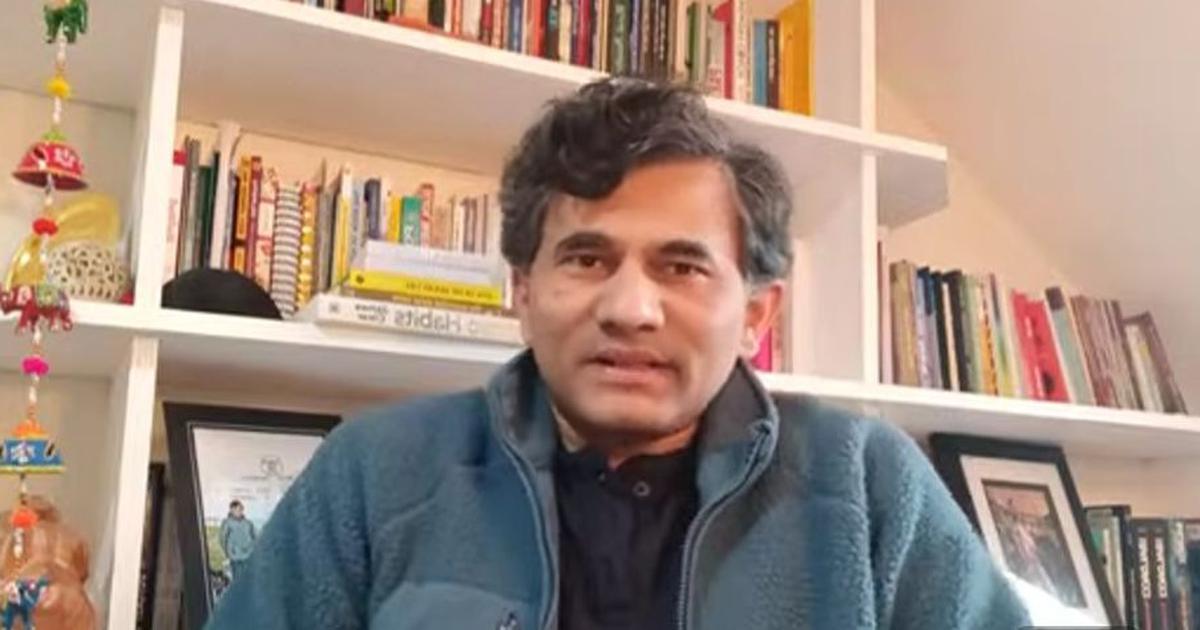
The Bombay High Court delivered a significant ruling on Tuesday, permitting Sangram Patil, a British doctor of Indian origin, to return to the UK after challenging a lookout circular issued against him by the Maharashtra government. This decision comes in the wake of Patil’s detainment at Mumbai airport due to alleged derogatory social media posts about leaders of the Bharatiya Janata Party (BJP).
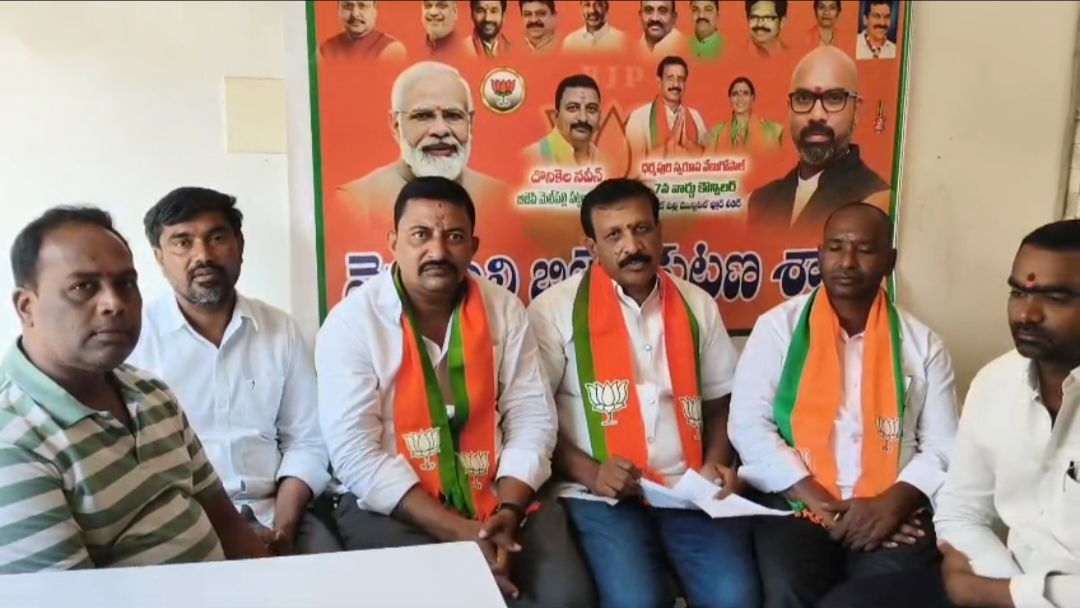
Patil, who is not only a medical professional but also a content creator with a substantial online following, was initially held upon his arrival from London on January 10. The authorities detained him based on a complaint filed by BJP leader Nikhil Bhamre, who claimed that Patil’s posts were intentionally defamatory and potentially incited animosity against the ruling party. Following this, a First Information Report (FIR) was lodged against Patil by the cybercrime department under the provisions of the Information Technology Act.
After being allowed to leave the airport with a notice requiring his cooperation in the investigation, Patil faced further complications on January 19 when immigration officials stopped him from boarding his flight back to London, citing the active lookout circular. This led to escalating tensions, prompting Patil to seek legal intervention.
The Bombay High Court’s recent ruling mandates that the Maharashtra government revise the lookout circular, thereby facilitating Patil’s return to his home in the UK. This decision underscores the delicate balance between free speech and legal scrutiny, particularly in the context of political critique on social media platforms. The court’s intervention highlights its role in safeguarding the rights of individuals, especially in cases where political sensitivities are involved.
Patil’s online presence is substantial, boasting over 400,000 subscribers on YouTube and a significant following on Facebook, where he engages with various issues, including health and socio-political commentary. His case has sparked discussions about the implications of online expression and the responsibilities that come with it, especially for individuals critiquing political figures.