Calcutta HC Challenges Election Commission’s Order to Detain Alleged ‘Troublemakers’ Ahead of Bengal Elections
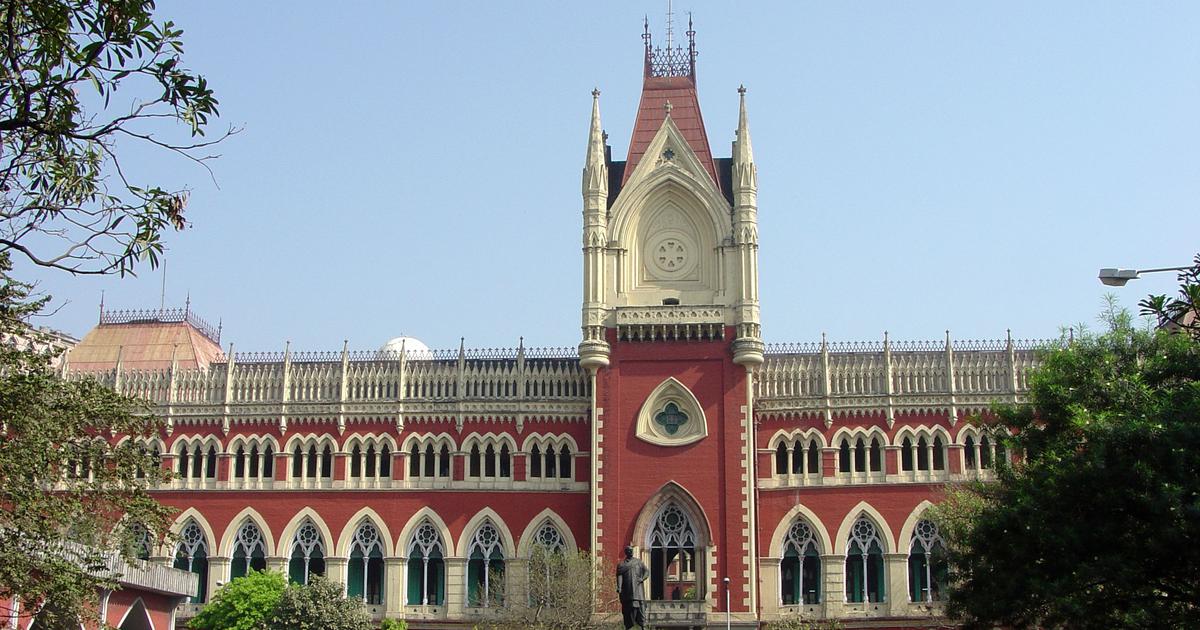
The Calcutta High Court raised significant questions on Wednesday regarding the Election Commission’s (EC) controversial order to arrest individuals classified as ‘troublemakers’ in the lead-up to the West Bengal Assembly elections. The court, led by Chief Justice Sujoy Paul along with Justice Parthasarathy Sen, was hearing a petition from an advocate who claimed to have knowledge of a list identifying these alleged troublemakers, purportedly sourced from several credible and independent references.
The petition asserted that the list predominantly features names associated with the Trinamool Congress, a party currently in power in West Bengal. The petitioner argued that executing arrests based on this list would infringe upon personal liberties and undermine the essence of the democratic process, raising substantial concerns about civil rights in the electoral context.
As the state gears up for the first phase of polling scheduled for April 23, followed by another on April 29, the stakes are high. Counting of votes is set for May 4, and tensions are palpable among political factions as they brace for what many anticipate will be a fiercely contested election cycle. During the hearing, the advocate representing the Election Commission cited ’emergent circumstances’ necessitating these preventive actions, emphasizing the sensitivity of the information but refraining from disclosing specific details.
In a pointed response, Chief Justice Paul inquired about the rationale behind the EC’s drastic measures. He remarked, “If an offense is committed, it falls under specific Acts, and designated authorities are tasked with handling such matters.” His comments highlight a critical dialogue between the judiciary and electoral authorities regarding the balance between maintaining law and order and preserving democratic freedoms.
This legal tussle reflects a broader narrative concerning the intersection of law enforcement and political activity in India, especially in a state like West Bengal, where political tensions often escalate into violence during election periods. The upcoming elections are expected to attract national attention, not only because of their significance for local governance but also due to the implications they hold for political parties beyond state lines. As the situation unfolds, all eyes will be on how the Election Commission and the judiciary navigate the complexities surrounding electoral integrity and civil liberties.