Chhattisgarh High Court Upholds FIR Against Professor for Allegedly Coercing Non-Muslim Students into Namaz
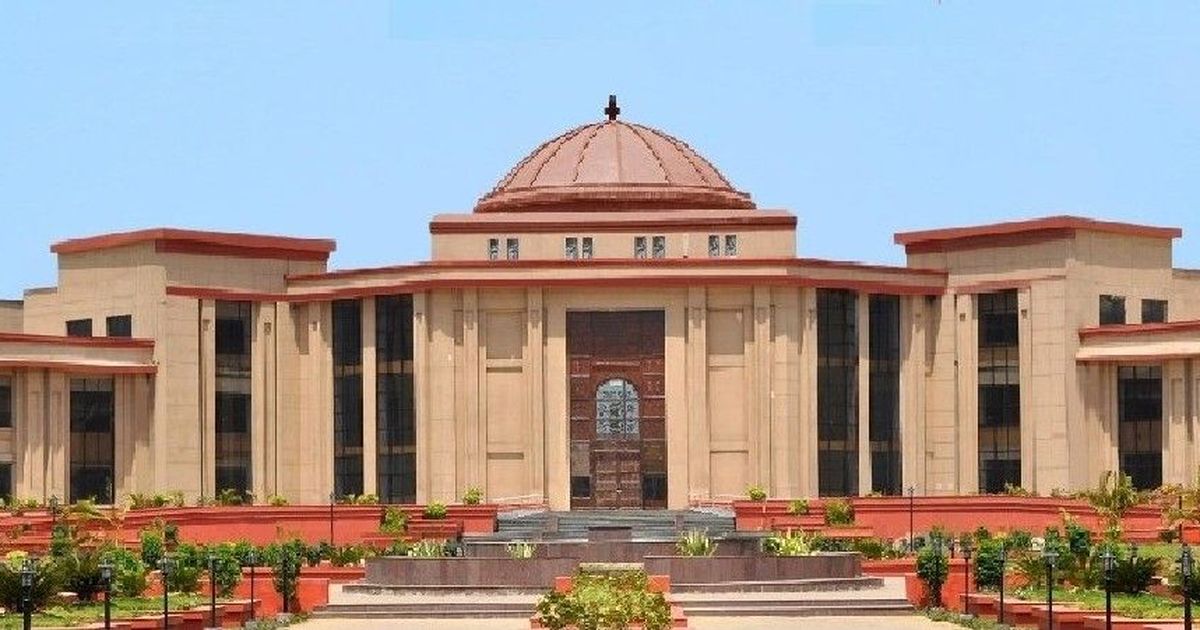
The Chhattisgarh High Court has opted not to dismiss a first information report (FIR) against a university professor accused of compelling non-Muslim students to participate in namaz during a National Service Scheme (NSS) camp in Bilaspur. This decision came from a bench led by Chief Justice Ramesh Sinha and Justice Ravindra Kumar Agrawal, who found sufficient preliminary evidence to support the claims against Dilip Jha, the professor in question.
The controversy arose during a seven-day NSS camp organized by Guru Ghasidas Central University in March 2025, coinciding with the Muslim festival Eid-ul-Fitr. Reports indicate that Muslim students were requested to perform namaz on stage, while non-Muslim students allegedly faced pressure to join the prayers against their will. Several complaints were lodged by these students, who claimed that those voicing objections were threatened with penalties, including the cancellation of their participation certificates.
Following the complaints, local police initiated a preliminary investigation, which subsequently led to the registration of the FIR. The chargesheet filed against Jha names him as a project coordinator, along with several others involved in the incident. A trial court has since acknowledged the chargesheet, indicating that legal proceedings will move forward.
The High Court’s examination of the case suggested that there are grounds to believe that the FIR was not filed with any ulterior motives, as claimed by Jha in his petition for the case to be quashed. In their ruling, the justices noted the importance of maintaining a balanced approach in such sensitive matters, underscoring that any allegations of coercion in educational settings are taken seriously. The court’s decision to uphold the FIR reinforces the need for safeguarding students’ rights and ensuring that educational environments remain respectful and inclusive.
This case touches on broader implications surrounding religious freedom and the rights of students in India. As the country continues to grapple with diverse cultural practices and beliefs, the court’s ruling serves as a reminder of the need for sensitivity and adherence to the principles of secularism in educational institutions. The ongoing developments in this case will be closely watched, as they may set precedents for how similar cases are handled in the future.