Breaking the Silence: Understanding and Preventing Child Abuse
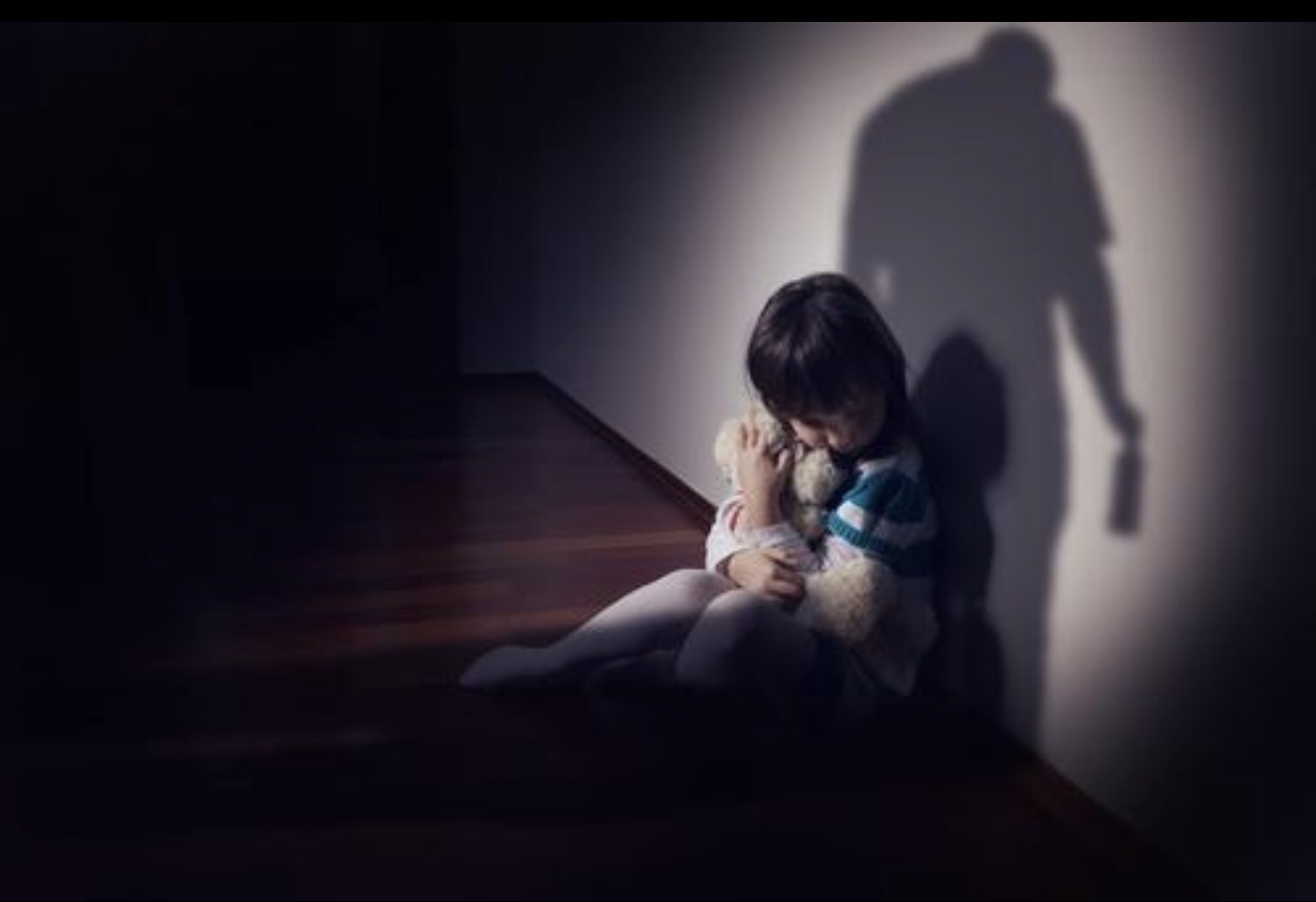
Child abuse is one of the most painful and urgent issues affecting societies worldwide. It often remains hidden behind closed doors, leaving deep emotional, physical, and psychological scars on children who are too young to defend themselves or speak out.
What is Child Abuse?
Child abuse refers to any action—or lack of action—that harms a child’s well-being or development. It can take several forms:
• Physical abuse – causing bodily harm through violence
• Emotional abuse – constant criticism, threats, or rejection
• Sexual abuse – any form of inappropriate sexual behavior involving a child
• Neglect – failure to provide basic needs like food, shelter, education, and care
Each type is damaging, and often, children may experience more than one form at the same time.
Signs That Should Never Be Ignored
Children rarely express abuse directly, but their behavior and physical condition often reveal distress:
• Sudden withdrawal or fearfulness
• Unexplained injuries or frequent bruises
• Changes in eating or sleeping habits
• Fear of certain people or places
• Poor hygiene or constant hunger
Recognizing these signs early can save a child from prolonged suffering.
Why Children Stay Silent
Many victims of abuse do not speak up due to:
• Fear of punishment or retaliation
• Shame or confusion
• Emotional attachment to the abuser
• Lack of awareness that what they’re experiencing is wrong
This silence is what makes child abuse so dangerous—it thrives in secrecy.
The Impact of Abuse
The effects of child abuse extend far beyond childhood:
• Long-term mental health issues such as anxiety and depression
• Difficulty in forming healthy relationships
• Low self-esteem and trust issues
• Increased risk of substance abuse or self-harm
Early trauma can shape a child’s entire life if not addressed properly.
How Society Can Respond
Preventing child abuse requires collective responsibility:
• Awareness – Educate communities and families
• Open communication – Encourage children to speak freely
• Safe environments – Schools, churches, and homes must be secure spaces
• Reporting – Suspected abuse should always be reported to authorities
Even one alert adult can make a life-saving difference.
Supporting Survivors
Healing is possible when children receive:
• Compassion and understanding
• Professional counseling and therapy
• Stable and safe environments
• Continuous emotional support
Recovery is a journey, but with the right care, children can rebuild their lives.
Conclusion
Child abuse is not just a personal tragedy—it is a societal failure. Protecting children is not optional; it is a responsibility shared by families, communities, and institutions alike. Speaking up, staying aware, and taking action can transform silence into safety.
Every child deserves protection, dignity, and a future free from fear.