Published by Jaharul-Debating the “One Nation, One Party” Fear: Democracy, Perception, and Reality in India
Published by Jaharul-Debating the “One Nation, One Party” Fear: Democracy, Perception, and Reality in India
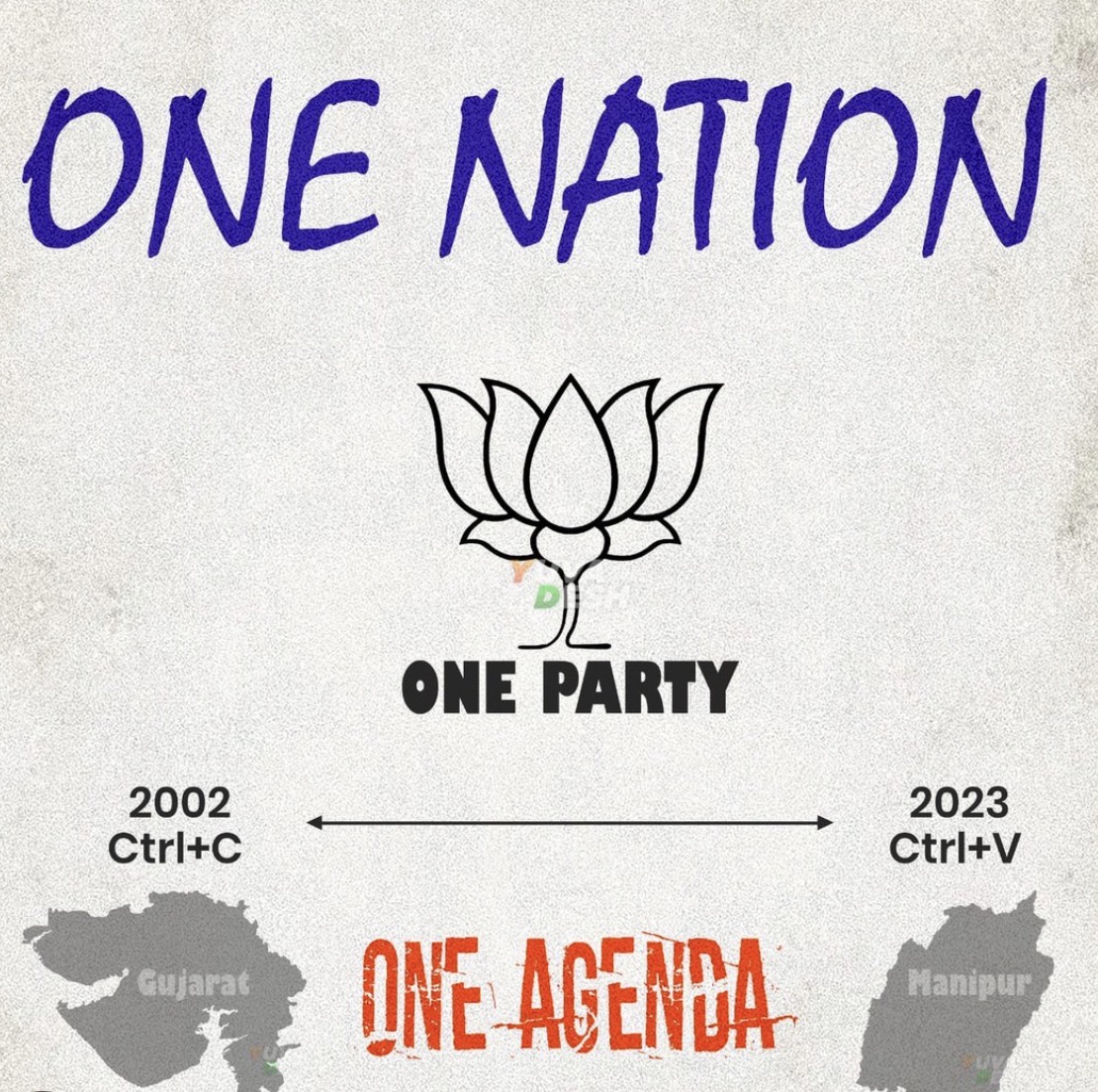
In recent times, social media has been flooded with claims and concerns suggesting that India is moving toward a “one nation, one party” system. Much of this anxiety is fueled by political narratives, viral trends, and sometimes misinformation—such as rumors about opposition leaders switching sides. It is important, however, to separate perception from reality before drawing serious conclusions about the health of Indian democracy.
To begin with, claims about leaders like Raghav Chadha joining the Bharatiya Janata Party (BJP) are factually incorrect. He remains a prominent member of the Aam Aadmi Party (AAP). Such misinformation highlights a growing problem in the digital age: unverified political content can quickly shape public opinion and deepen fears without any real basis.
That said, the concern about democratic balance is not entirely unfounded. India, as the world’s largest democracy, thrives on political diversity, strong opposition, and institutional checks and balances. When one political party becomes significantly dominant at the national level, it naturally raises questions about whether opposition voices are being weakened or marginalized.
However, looking at the broader picture, India still maintains a vibrant multi-party system. Regional parties continue to hold power in several states, and elections often produce varied outcomes. From Tamil Nadu to West Bengal, Kerala to Telangana, different political ideologies continue to govern, reflecting the country’s diverse political landscape. This indicates that while one party may dominate nationally at times, the overall democratic structure remains competitive.
At the same time, public vigilance is essential. Democracy is not just about elections—it also depends on free media, judicial independence, and active citizen participation. Concerns about centralization of power should be discussed openly, but they must be grounded in facts rather than speculation.
Ultimately, the narrative of “one nation, one party” is more complex than it appears. It is shaped by political competition, media framing, and public perception. Instead of reacting to unverified trends, citizens should focus on informed debate, critical thinking, and active engagement in the democratic process.
A strong democracy is not one without concerns—but one where concerns are addressed with truth, awareness, and participation.