Delhi Court Halts FIR Against Abhijit Iyer-Mitra Over Offensive Remarks Against Newslaundry Journalists
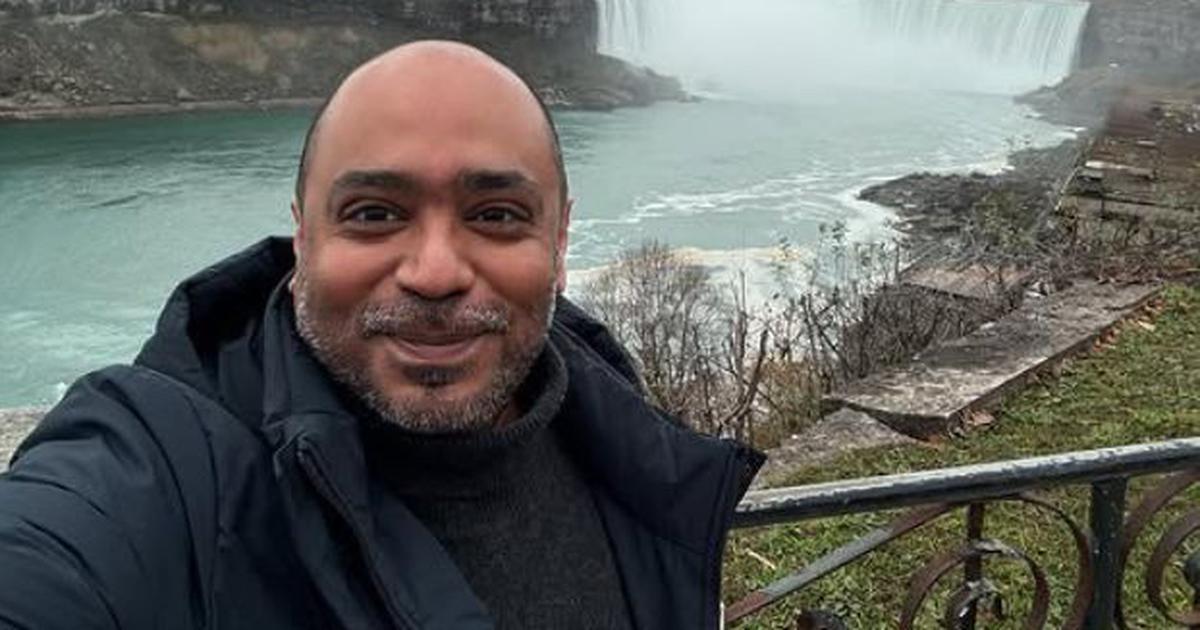
A Delhi court has temporarily suspended its earlier directive for the filing of a first information report (FIR) against commentator Abhijit Iyer-Mitra, who faced backlash for his derogatory comments on social media targeting female journalists from the news outlet Newslaundry. This decision was reached on Monday, following a closer examination of the implications of Iyer-Mitra’s statements.
Initially, on April 23, Judicial Magistrate First Class Bhanu Pratap Singh at the Saket Court had indicated that there were grounds to charge Iyer-Mitra under sections of the Bharatiya Nyay Sanhita related to sexual harassment and insulting the modesty of women. The magistrate emphasized that due to the nature of the alleged offenses occurring in cyberspace, a police investigation was warranted.
The controversy erupted when Newslaundry’s Managing Editor Manisha Pande, along with other women journalists from the publication, approached the court alleging that Iyer-Mitra had consistently employed offensive language and slurs aimed at them. They claimed that his posts created a hostile environment and breached the boundaries of acceptable discourse in digital communication.
In a follow-up on August 13, the judge mandated the Malviya Nagar Police Station’s station house officer to submit an action taken report regarding the complaint. This included inquiries into whether any formal complaints had been lodged and what subsequent actions had been undertaken by law enforcement.
After a lengthy process, the police were granted a final opportunity in November to provide this report, which was eventually submitted on February 18. The delay in action raised concerns among media circles about the adequacy of responses to online harassment, especially towards women in journalism.
The case has ignited discussions regarding the responsibilities of public figures on social media and the pressing need for legal frameworks that effectively address instances of online abuse. As the legal proceedings develop, the outcome will likely influence future dialogues about respect and safety in digital interactions, particularly for women professionals in the media sector.