Delhi High Court Judge Launches Contempt Proceedings Against AAP Leaders Including Arvind Kejriwal
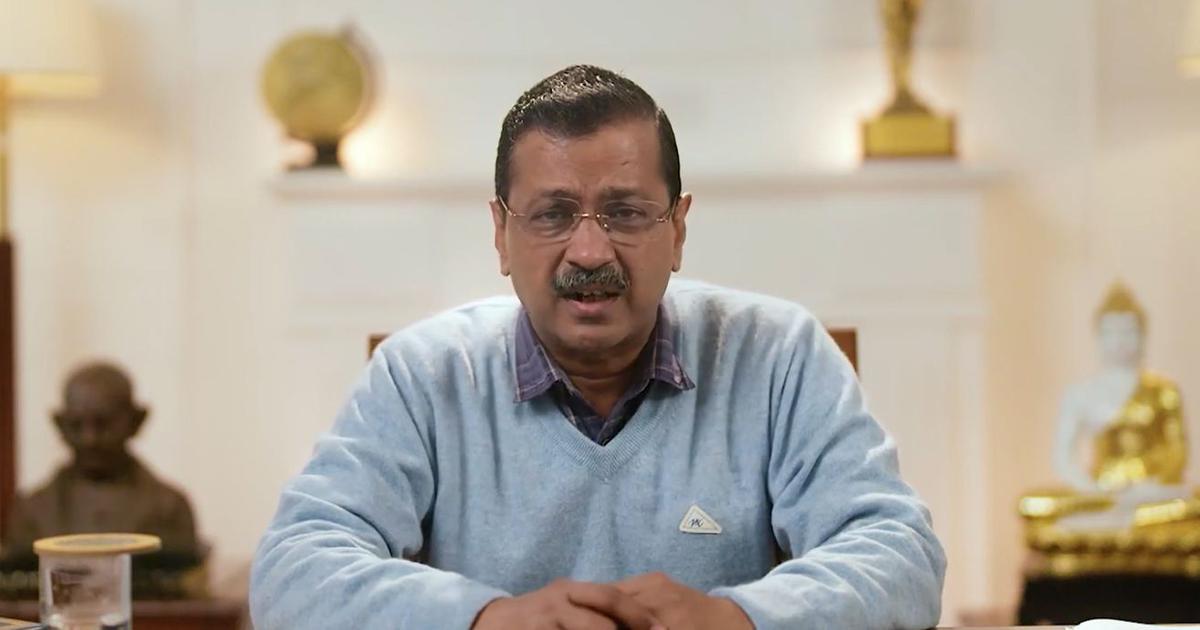
In a significant legal development, Justice Swarana Kanta Sharma of the Delhi High Court has initiated contempt proceedings against several leaders of the Aam Aadmi Party (AAP), including Chief Minister Arvind Kejriwal and former Deputy Chief Minister Manish Sisodia. This action arises from accusations that these politicians have engaged in defamation and vilification against the judge through social media, particularly relating to the controversial liquor policy case.
Justice Sharma, however, took the unusual step of recusing herself from overseeing a related revision petition filed by the Central Bureau of Investigation (CBI). The judge expressed her concerns, stating, “It could create a perception that I have a bias against Kejriwal and others if I continue to preside over the case.” This decision comes after complaints from the AAP leaders in April, who had previously announced their intention to boycott proceedings presided over by Sharma, raising questions about her impartiality.
The backdrop to this situation is the ongoing scrutiny of Delhi’s liquor policy, which has drawn significant attention amid allegations of corruption and policy mismanagement. The CBI is currently challenging a trial court’s decision that had earlier cleared several AAP leaders, including Sisodia, of charges connected to this case. Justice Sharma’s decision to recuse herself was a precautionary measure aimed at safeguarding the integrity of the legal process.
In a prior ruling, Justice Sharma dismissed a petition from the AAP leaders seeking her withdrawal from the case, citing her attendance at an event linked to the Rashtriya Swayamsevak Sangh (RSS)—the ideological parent of the ruling Bharatiya Janata Party (BJP)—as a basis for their concerns. This has fueled the ongoing tensions between the AAP and the BJP, particularly as the former continues to assert that the latter is politically motivated in its legal pursuits against them.
The escalating feud between the AAP and the BJP, set against the backdrop of a contentious political climate in Delhi, raises questions about the influence of politics on the judiciary. As the controversy unfolds, it remains to be seen how these contempt proceedings will impact the ongoing legal battles surrounding the liquor policy and the broader implications for the AAP’s governance.