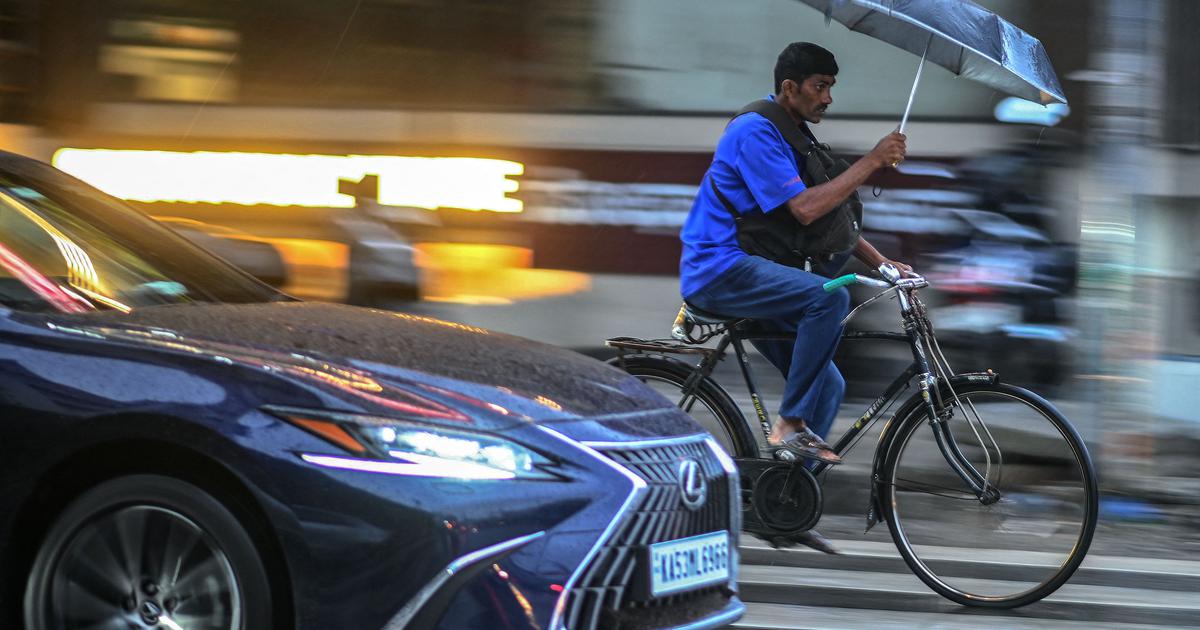
In a bid to combat the rising pollution levels in Indian cities, a renewed focus on cycling has emerged among political leaders and advocacy groups. 2025 saw prominent figures, including a district collector, a union minister, and the BYCS India Foundation, converging on a singular vision: to promote cycling as a pathway to a cleaner, more sustainable future.
At the start of the year, the BYCS India Foundation urged major political parties to prioritize the creation of bicycle-friendly spaces in Delhi. This call to action was echoed in August by Union Minister for Youth Affairs and Sports, Mansukh Mandaviya, who described cycling as a viable solution to the pressing issue of pollution. By December, G Lakshmisha, the NTR District Collector in Andhra Pradesh, highlighted cycling’s dual benefits—not only as a means for personal fitness but also as an effective way to curb emissions.
Research increasingly supports the notion that cycling can significantly mitigate pollution levels and assist in achieving net-zero carbon targets. However, despite the enthusiasm surrounding this initiative, a recent study published in Nature Cities sheds light on the hurdles facing bicycling culture in cities across low- and middle-income countries. The study examined cities including Delhi and Chennai in India, Dhaka in Bangladesh, and Accra in Ghana, revealing critical barriers such as inadequate infrastructure, policy implementation challenges, and gaps in gender inclusivity.
According to the 2025 World Air Quality Report from IQAIR, India ranks as the sixth most polluted country, with Delhi notably occupying the fourth position among the world’s most polluted cities. With air quality declining sharply, discussions often gravitate towards reducing vehicular emissions as a primary solution. However, the focus on cycling has not been as pronounced, even though it stands out as a promising alternative.
To truly transform cycling into a mainstream mode of transportation, Indian cities must rethink urban planning and invest in essential infrastructure. This includes dedicated bike lanes, secure parking facilities, and safety measures to encourage more people to opt for cycling over cars. Moreover, targeting barriers that may prevent specific demographics—especially women and the elderly—from cycling is crucial for creating an inclusive cycling culture.
As the Indian government continues to grapple with the challenges of pollution in urban areas, integrating cycling into the transportation framework offers a pragmatic approach to not only enhance air quality but also improve public health. With concerted effort and community support, cycling can transition from being a leisure activity to a fundamental aspect of daily commuting in Indian cities, ultimately contributing to a more sustainable future.