Delhi High Court Requests Government’s Perspective on Telegram’s Ban Challenge Ahead of NEET-UG Re-exam
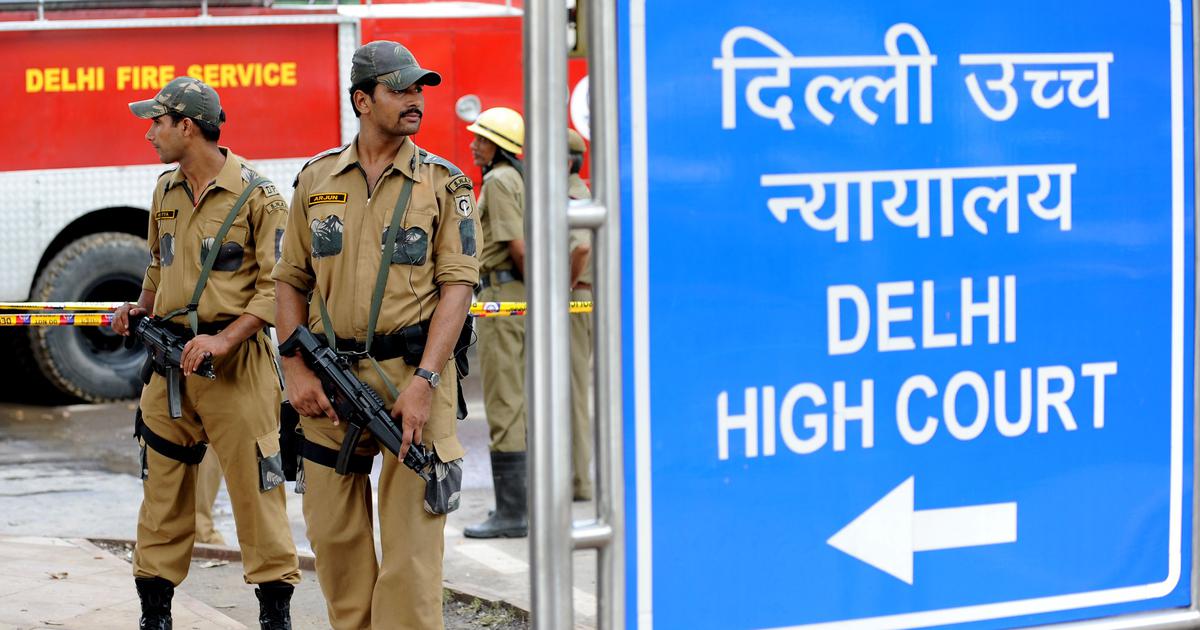
The Delhi High Court has instructed the Union government to provide its stance regarding a petition filed by the messaging service Telegram. The platform is contesting the government’s decision to restrict its services in India until June 22, coinciding with the upcoming NEET-UG re-examination.
Justice Tejas Karia, who presided over the case, mandated that the government submit its response by Thursday, with the court scheduling further hearings for the same day at 2:30 PM. A key concern raised by the judge revolved around the nature and extent of the alleged illicit activities occurring on Telegram, highlighting that any digital service could potentially be misused.
Despite the request for relief, the court refrained from providing any immediate relief to Telegram. This decision comes after the Ministry of Electronics and Information Technology imposed a ban on access to the platform until the day following the re-examination of the National Eligibility cum Entrance Test for undergraduate medical admissions, which is a critical examination for aspiring medical students.
On June 22, the Ministry also instructed Telegram to disable its message-editing feature until June 30, as the National Testing Agency (NTA) alleged that this feature was exploited to create deceptive evidence of a paper leak following the exam’s cancellation. This cancellation stemmed from serious allegations surrounding a leak of the examination paper that was initially conducted on May 3.
During the court proceedings, Solicitor General Tushar Mehta represented the government’s position, elaborating on the measures taken to ensure the integrity of the examination process. The outcome of this legal battle not only holds significance for Telegram but also raises broader questions about digital privacy, accountability, and the extent of government intervention in tech platforms.